Close To The Edge: The Definitive Masterpiece of Progressive Rock and the Evolution of Yes

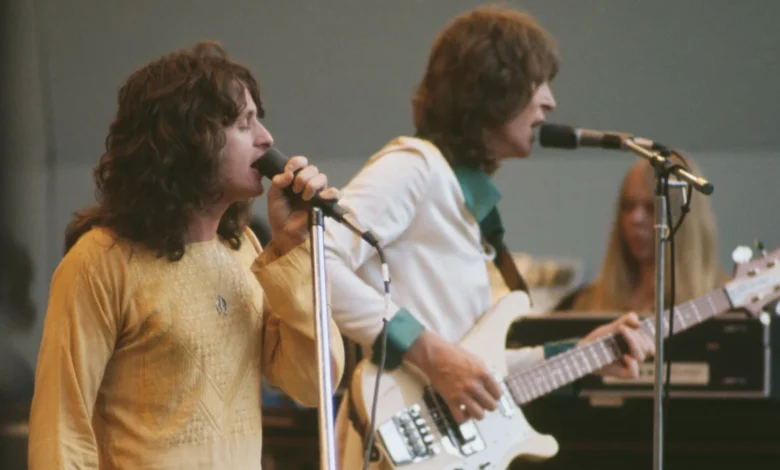
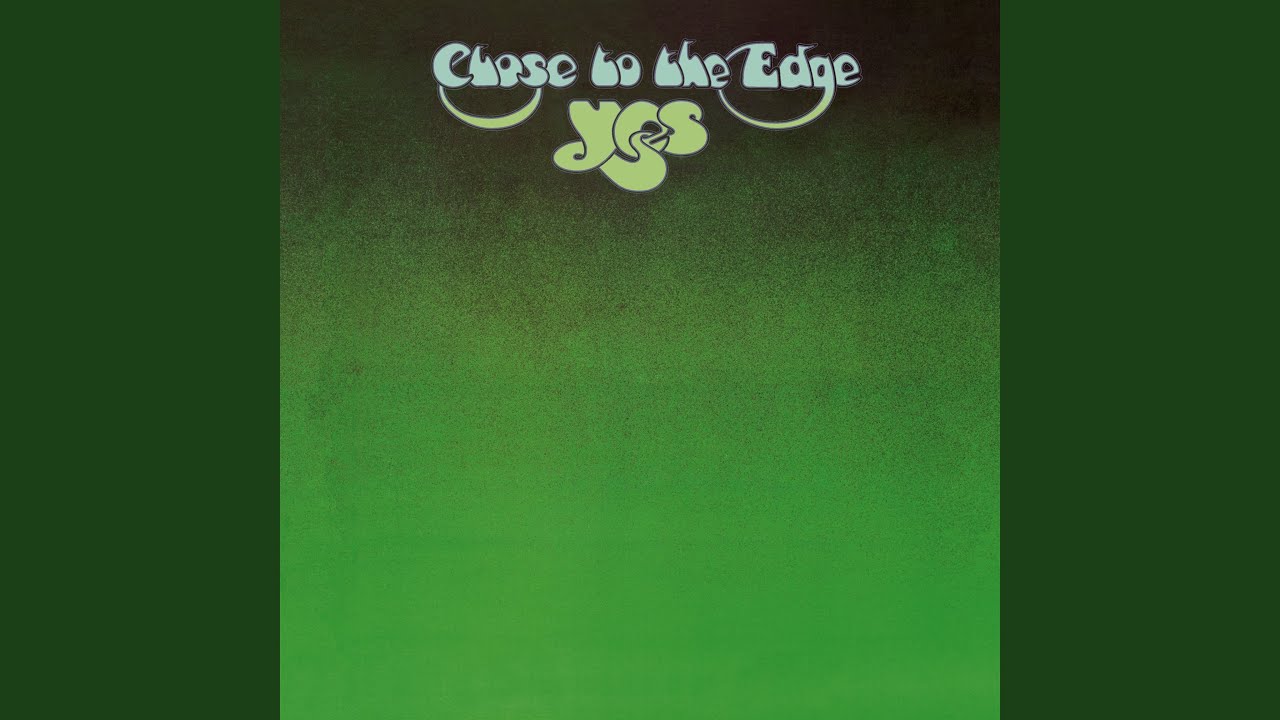
The early 1970s represented a creative zenith for the progressive rock genre, a period defined by the ambition of bands seeking to bridge the gap between popular music and high-art classical composition. While Genesis, Jethro Tull, and Pink Floyd were carving out their own unique sonic landscapes, the London-based quintet Yes produced a work that would become the gold standard for the genre: the 1972 album Close To The Edge. Anchored by its 18-minute title track, the record not only solidified the band’s technical prowess but also pushed the boundaries of what was commercially and artistically possible within the confines of a vinyl record.
The Genesis of a Masterpiece
The production of Close To The Edge began in earnest in April 1972 at Advision Studios in Fitzrovia, London. By this time, Yes had already established themselves as a formidable force in the industry, having released four studio albums. However, the band underwent a significant transformation in 1971 when they parted ways with founding keyboardist Tony Kaye. His replacement, Rick Wakeman—a highly sought-after session musician known for his contributions to David Bowie’s Hunky Dory—brought an orchestral sensibility that allowed the band to expand its dynamic range significantly.
The title track, a four-movement suite, was meticulously crafted to emulate the structure of a classical symphony. The composition, written primarily by singer Jon Anderson and guitarist Steve Howe, was not the result of a single writing session but rather an amalgamation of half-formed ideas and sketches. Howe, reflecting on the process, noted that the band acted as a repository for various musical concepts, stitching them together to form a cohesive narrative. The lyrical themes, heavily influenced by Jon Anderson’s reading of Hermann Hesse’s 1922 novel Siddhartha, centered on the pursuit of spiritual enlightenment and the metaphor of a river leading to the divine ocean.
A Technical and Musical Chronology
The recording process for the title track was as ambitious as the composition itself. One of the most iconic elements of the track is the atmospheric opening, which features a loop of nature sounds, including birds, wind chimes, and running water. This was not a pre-packaged effect; it was a complex analog undertaking. Rick Wakeman later described the tape loop as being roughly forty feet long, requiring two days of intensive labor just to calibrate the playback.
The track is divided into four distinct movements:
- The Solid Time of Change: A high-tempo introduction characterized by 12/8 time signatures, intricate guitar phrasing, and the innovative use of the Minimoog synthesizer.
- Total Mass Retain: A rhythmic, driving section derived from early motifs explored in Steve Howe’s previous band, Bodast.
- I Get Up, I Get Down: An ethereal, meditative movement that showcases the band’s ability to create vast, spacious soundscapes. This section notably features a pipe organ part recorded at St Giles-without-Cripplegate church.
- Seasons of Man: The climactic finale, which returns to the thunderous intensity of the opening before cycling back to the ambient nature sounds that initiated the piece.
Analytical Perspectives on Production
From a technical standpoint, the album represented a departure from traditional rock production. Producer Eddie Offord played an instrumental role in managing the band’s transition from four-piece to five-piece, ensuring that the interplay between the Hammond organ, the Minimoog, and Steve Howe’s guitar work remained balanced. The use of overdubbing and the manual integration of field recordings demonstrated a sophisticated approach to studio engineering that was ahead of its time.
Critics and music historians have long debated the necessity of such long-form compositions, but the commercial success of the album—which reached number 3 on the UK Albums Chart and number 4 on the US Billboard 200—proved that there was a massive audience for complex, long-form music. The title track was not just a song; it was a statement of intent, suggesting that rock music could, and should, possess the same intellectual weight as a multi-movement orchestral piece.

Broader Implications and Cultural Impact
The release of Close To The Edge in September 1972 served as a cultural marker for the progressive rock movement. It established a blueprint for the "epic" rock song, influencing countless bands throughout the 1970s. However, it also set a nearly impossible standard for the band itself. The subsequent 1973 album, Tales From Topographic Oceans, would attempt to stretch this formula even further, resulting in a polarizing four-sided epic that signaled the beginning of a shift in the band’s creative trajectory.
When comparing the impact of Close To The Edge to other seminal records of 1972, such as Genesis’s Foxtrot or Deep Purple’s Machine Head, it becomes clear that Yes occupied a unique space. They were less interested in the blues-rock roots of their contemporaries and more focused on the synthesis of folk, jazz, and classical textures. This approach, while occasionally criticized as "self-indulgent," allowed the band to create a sound that was instantly recognizable.

Retrospective Assessments
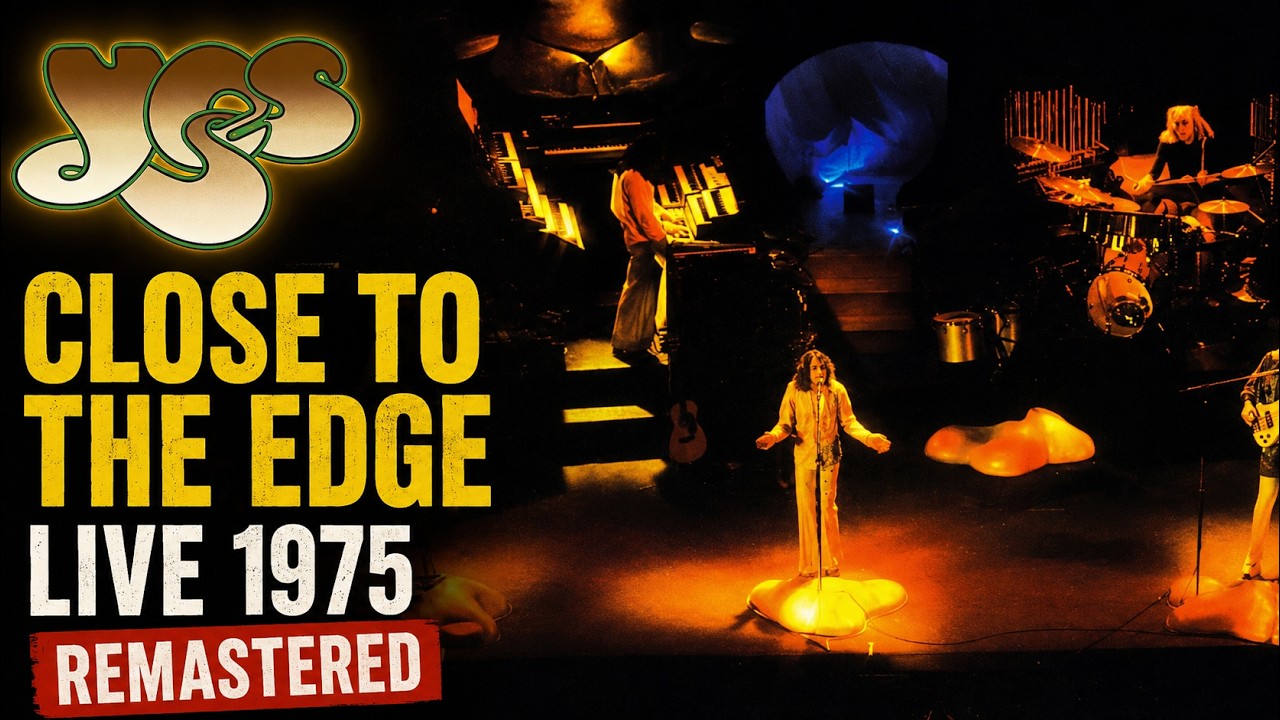
Decades later, the technical proficiency of the band remains a point of study. The interplay between Bill Bruford’s jazz-influenced drumming and Chris Squire’s aggressive, melodic bass lines provided a foundation that allowed Anderson and Howe to explore harmonic territories that were otherwise inaccessible to standard rock ensembles.
In recent interviews, surviving members have consistently pointed to the camaraderie and the "mountain-climbing" atmosphere of the recording sessions as the primary reason the album retains its vitality. As Jon Anderson noted, the experience of performing the track felt like an ascent, where the listener—and the performer—arrived at a summit of realization.
Legacy and Contemporary Relevance
Today, Close To The Edge is frequently cited in polls as one of the greatest albums of all time. Its influence can be heard in the works of neo-prog bands and even in modern metal, where complex, long-form song structures have seen a resurgence. The album stands as a testament to a time when record labels were willing to invest in artistic experimentation, and when musicians were driven by a desire to push the boundaries of their craft rather than satisfy the demands of radio-friendly, short-form programming.
The legacy of the title track specifically remains secure. By blending the organic sounds of the natural world with the cutting-edge electronic sounds of the early 1970s, Yes created a timeless piece of music. While the era of the 18-minute radio track has long since passed, the structural integrity and emotional resonance of Close To The Edge ensure its position as a cornerstone of the progressive rock canon. The album serves as a reminder of a fleeting, golden moment when the possibilities of rock music felt truly infinite, and when a band of five musicians could, through sheer technical skill and spiritual ambition, rearrange the "solid mental grace" of an entire generation of listeners.