The Evolution of the Black Friday Phenomenon
Black Friday, historically rooted in the post-Thanksgiving retail push in the United States, has undergone a metamorphosis over the last decade. Once characterized by doorbuster crowds and physical queues, the event now exists as a year-round anticipation that culminates in a mid-November kickoff. In 2026, the strategy for major retailers has shifted toward "early access" cycles, intended to spread out fulfillment logistics and mitigate the risks of late-year inventory bottlenecks.
For the modern consumer, the "Black Friday deal" has become a data-driven exercise. Retailers are increasingly utilizing dynamic pricing algorithms that adjust costs in real-time based on competitor behavior, inventory levels, and historical search patterns. This creates a volatile environment where the window to purchase a product at its lowest price point is narrower than ever before. Analysts note that as of late November 2026, the strategy of waiting until the final hours to purchase has become significantly riskier due to tightening stock levels in the consumer electronics and home media sectors.
Chronology of the 2026 Shopping Season
The 2026 retail cycle began in earnest in early November, with major platforms launching "pre-Black Friday" sales events to capture early-bird spending. This phased rollout allows retailers to test logistics capabilities before the massive influx of Cyber Monday traffic.
- Early November: Retailers initiated "teaser" sales, focusing on entry-level home goods and older-generation electronics to gauge consumer demand.
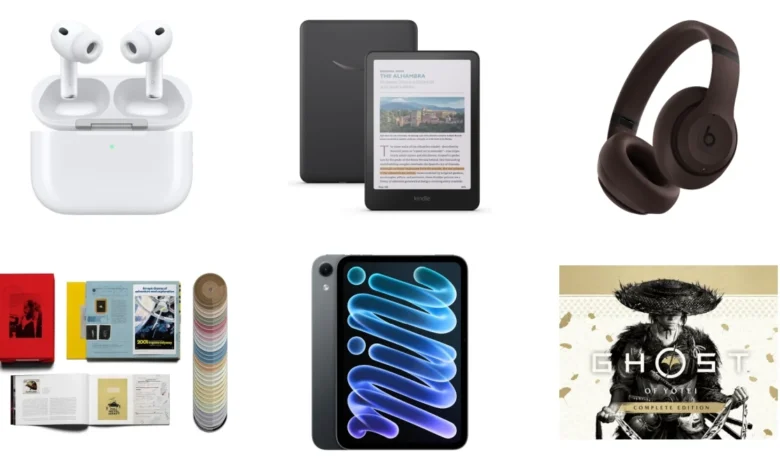
- Mid-November: The official commencement of major Black Friday campaigns occurred. During this period, deep discounts were applied to high-ticket items such as premium audio equipment, smart home hubs, and physical media collections.
- Late November (Current Period): As of November 27th, the market has entered the final phase. This period is traditionally defined by the "scarcity effect," where inventory reports for popular items—such as high-end headphones, gaming consoles, and limited-edition vinyl—show signs of depletion.
- November 30th (Upcoming): Cyber Monday is expected to serve as the final clearing house for online inventory, with a secondary focus on software, digital subscriptions, and remaindered physical goods.
Data-Driven Market Analysis
Economic analysts observing the 2026 season have highlighted a marked increase in "value-seeking" behavior. According to retail data reports, consumers are prioritizing essential electronics and high-utility household goods over non-essential discretionary spending. The average transaction value has remained steady, though the volume of items purchased per cart has seen a slight decline compared to 2025.
One of the most significant factors in this year’s shopping experience is the integration of membership-based fulfillment services. Platforms like Amazon Prime have become essential infrastructure for the modern Black Friday experience. By offering benefits such as 30-day free trials, expedited shipping, and exclusive early access to "Lightning Deals," these services effectively anchor the consumer to a specific ecosystem. Data suggests that consumers utilizing these memberships are 40% more likely to complete a purchase during the Black Friday window compared to non-members, largely due to the convenience of unified logistics and payment security.
Logistics and Supply Chain Considerations
The logistics of 2026 are notably different from the previous three years. Retailers have spent the summer and early autumn fortifying their distribution networks to handle the surge. However, the reliance on just-in-time inventory systems means that when an item goes out of stock, replenishment is rarely guaranteed before the end of the holiday season.
This scarcity is particularly evident in the physical media market. While digital streaming continues to dominate the media consumption landscape, there has been a documented resurgence in the demand for physical collector’s editions. Because manufacturing runs for these items are often finalized months in advance, retailers cannot simply "re-stock" when demand spikes during the Black Friday week. This has led to a situation where early engagement with sale listings is not merely a matter of convenience, but a necessity for those seeking specific inventory.
Official Perspectives and Consumer Guidance
Retail experts suggest that the most effective way to navigate the 2026 landscape is through a combination of tracking and membership utilization. Industry representatives from consumer advocacy groups have emphasized that while the discounts are genuine, the primary challenge remains "decision fatigue." With millions of products marked down, the ability to discern a genuine value from a marketing-driven price adjustment is crucial.
Official statements from major e-commerce entities focus on the "customer experience," emphasizing the speed of delivery and the breadth of selection. However, the subtext of these communications is clear: the integration of subscription services is the preferred pathway for the consumer to access the most competitive pricing. By funneling users into these services, retailers ensure that the consumer remains within their digital ecosystem throughout the duration of the holiday season.
Broader Implications for the Retail Sector
The implications of the 2026 Black Friday trend are twofold. First, the event has effectively decoupled from the physical store. The reliance on digital storefronts means that the "Black Friday" experience is no longer a localized event but a globalized logistical operation. Second, the shift toward a prolonged, multi-week sale period benefits retailers by smoothing out the operational burden on warehouses and delivery fleets.
However, for the consumer, the implications are more nuanced. The constant cycle of sales can lead to a devaluation of the "deal" concept, where the perceived discount may not always align with historical pricing data. Analysts advise that consumers should continue to utilize price-tracking tools and verify the legitimacy of discounts by reviewing price history charts before committing to large purchases.
As the industry prepares for the final push on November 30th, the primary takeaway for the 2026 season is that preparedness remains the most valuable asset. The integration of high-speed shipping, membership-based exclusives, and early-access windows has fundamentally altered the consumer behavior pattern. While the excitement of the "doorbuster" may have faded, it has been replaced by a more strategic, albeit high-pressure, digital landscape that demands vigilance, research, and a clear understanding of personal budget constraints.
For those looking to optimize their purchases, the current data suggests that waiting for the absolute final hour is rarely the winning strategy. With inventory levels dwindling across key product categories, the window for securing items at a discount is closing. The focus for the remainder of the week should be on finalizing essential purchases while keeping an eye on the transition to the Cyber Monday cycle, which, while offering different incentives, will likely see the exhaustion of the most popular items currently listed on major retail hubs. As the season progresses, the importance of maintaining a list of prioritized items—rather than browsing aimlessly—will be the defining factor in a successful and cost-effective 2026 Black Friday experience.