Bachblyten Festival Grapples with Sexual Harassment Allegations as DJs Cancel Performances Amidst Public Scrutiny

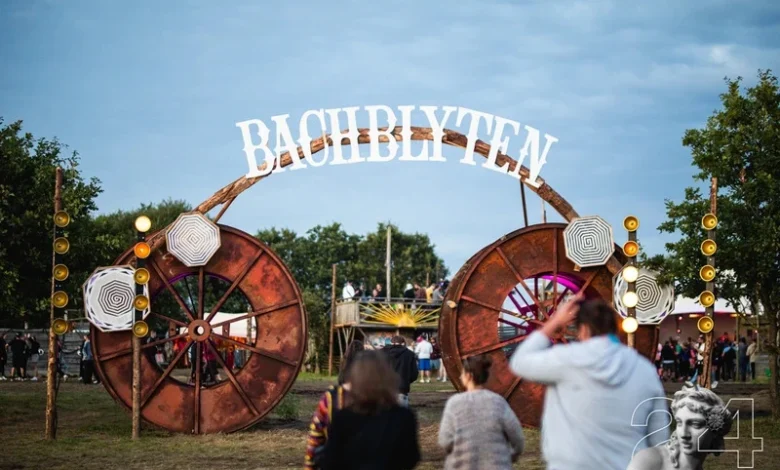
The Bachblyten Festival, a prominent electronic music event held in Schleswig-Holstein, Germany, finds itself at the center of a significant controversy following allegations of sexualized violence involving a leading member of its event team. This development has led to the immediate cancellation of scheduled performances by renowned DJs Punching Polly and Sophie Cut, casting a shadow over the festival’s upcoming edition. The incident has ignited a crucial discussion within the electronic music community and broader event industry regarding safety, accountability, and transparency in handling such sensitive accusations.
The Unfolding Controversy: A Timeline of Events
The controversy began to unfold when DJs Punching Polly and Sophie Cut announced their withdrawal from the Bachblyten Festival lineup. In a joint statement released on their respective Instagram channels, the artists cited "serious allegations against a leading person from the festival’s event team" as the reason for their decision. They explicitly stated that they had only recently become aware of these accusations, prompting their short-notice cancellation. Their statement, while not detailing the specific nature of the allegations, urged interested parties to directly contact the festival organizers for a statement and concluded with a poignant message to attendees: "Passt auf euch auf!" (Take care of yourselves!). This public announcement immediately thrust the festival into the spotlight, generating widespread concern and prompting a swift reaction from both the festival organizers and the public.
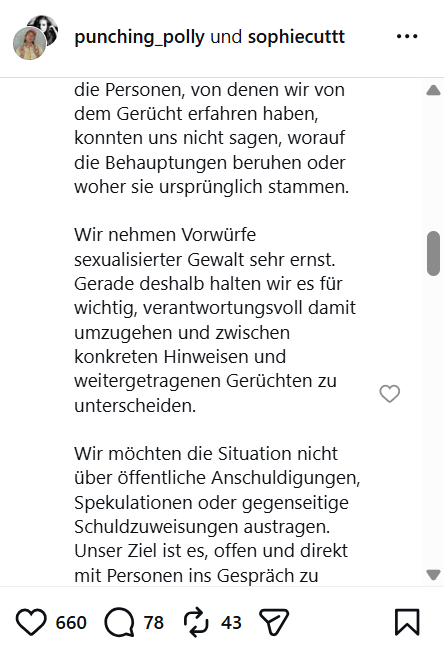
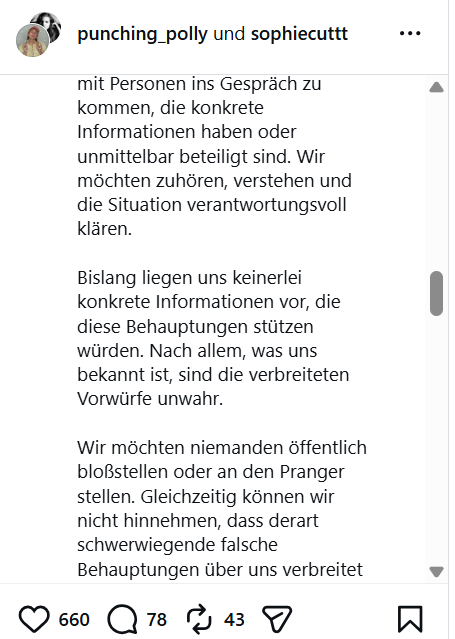
Shortly after the DJs’ announcement, the Bachblyten Festival issued its own statement via Instagram, directly addressing the allegations. The festival vehemently denied the accusations, asserting that the claims made were "false." Furthermore, the organizers stated that while they had become aware of "rumors circulating from various directions," they had not yet received any "concrete information or verifiable background" despite repeated inquiries. The festival emphasized its commitment to taking allegations of sexualized violence "very seriously" but also stressed the importance of distinguishing between concrete evidence and unsubstantiated rumors. They expressed a preference for direct dialogue with individuals possessing specific information or those directly affected, rather than engaging in public speculation.
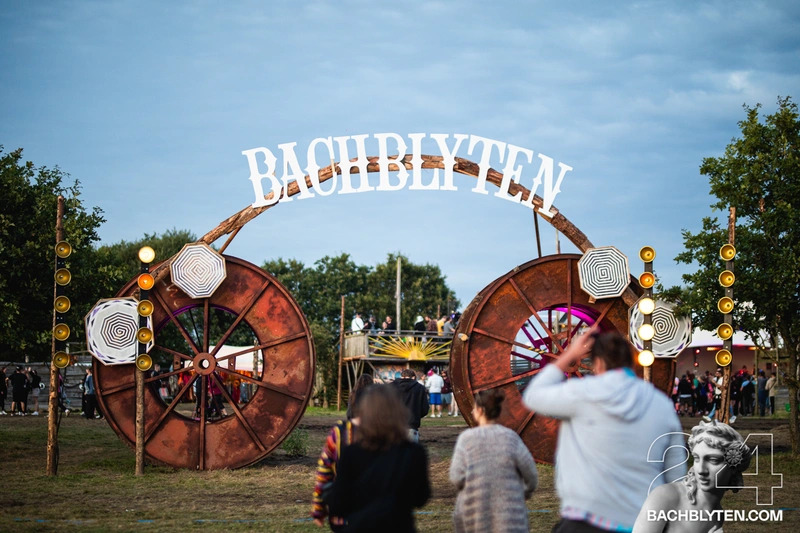
The public’s response to the festival’s statement was largely critical. Comments beneath the Instagram post revealed a prevailing sentiment that the festival’s response appeared to prioritize protecting the accused individual rather than fully addressing the concerns raised by the DJs and the wider community. This immediate backlash underscored the deep sensitivity surrounding such issues and the high expectations for transparency and accountability from event organizers. The incident has quickly evolved from a specific allegation into a broader debate about how festivals navigate the complex interplay of community safety, artist integrity, and organizational responsibility.
Allegations and Denials: A Closer Look at the Statements
The core of the current crisis lies in the conflicting narratives presented by the involved parties. On one side, DJs Punching Polly and Sophie Cut, respected figures in the electronic music scene, have taken a clear stance, indicating that the allegations are serious enough to warrant their withdrawal from a major event. Their decision to cancel at short notice highlights the perceived gravity and urgency of the situation. The phrase "leading person from the event team" implies a position of authority and influence, which further complicates the matter, as such individuals are entrusted with ensuring the safety and well-being of attendees and staff. The DJs’ call for festival-goers to "take care of yourselves" also serves as a subtle yet powerful warning, suggesting an underlying concern for the safety of the community.
On the other side, the Bachblyten Festival’s categorical denial of the allegations as "false" and its characterization of them as "rumors" signals a firm defense against the accusations. Their insistence on the lack of "concrete information or verifiable background" places the onus on those making or supporting the claims to provide evidence. While the festival asserts it takes such matters "very seriously," its preference for "direct dialogue" over "public speculation" can be interpreted in various ways. It could be a genuine attempt to manage a delicate situation responsibly and conduct a thorough internal review without prejudicing outcomes. However, in the court of public opinion, especially on social media, such a stance can sometimes be perceived as dismissive or an attempt to control the narrative, particularly when it comes from an institution facing allegations. The critical public commentary under their posts suggests that many attendees and observers are wary of this approach, demanding a more proactive and transparent investigation. This tension between the need for due process and the public’s demand for immediate accountability forms the crux of the ongoing challenge for the Bachblyten Festival.
Background of Bachblyten Festival: A Cultural Hub Facing Scrutiny
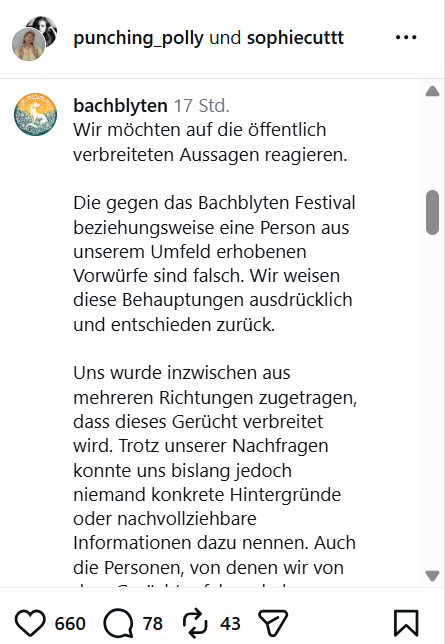
The Bachblyten Festival, scheduled for July 24-26, 2026, at Flugplatz Schwesing near Husum, Schleswig-Holstein, is a significant event within Germany’s vibrant electronic music landscape. Known for its diverse musical programming, it features four stages showcasing a wide array of genres including Techno, Tech House, Indie Dance, Psy Techno, Goa, and Drum’n’Bass. This broad appeal attracts a varied audience, from dedicated techno enthusiasts to those seeking the unique communal experience of a multi-genre festival. Headliners for the upcoming edition include prominent names such as Maurice Mino, Sabura, Lampé, and Fab Massimo, underscoring its standing in the scene.
Typically, festivals like Bachblyten are not merely music events but cultural gatherings that foster a sense of community, freedom, and shared experience. They often promote values of inclusivity, respect, and mutual enjoyment. Attendees often expect a safe environment where they can freely express themselves and enjoy the music without fear. The location, an airfield, often provides a secluded setting conducive to immersive experiences, but also raises questions about accessibility for support services and oversight in managing large crowds. The reputation of such festivals is intrinsically linked to the perceived safety and well-being of their participants. Allegations of sexualized violence, particularly involving a "leading person" within the organization, strike at the very heart of these values and can severely damage the trust that attendees place in the organizers. The festival’s ability to navigate this crisis will not only impact its own future but also send a message to the wider festival community about the standards of safety and accountability expected from event producers.
The Broader Landscape: Sexual Harassment at Festivals and Industry Responses
The allegations against the Bachblyten Festival are not isolated incidents but resonate with a growing global discourse on sexual harassment and assault within the festival and nightlife industries. Statistics from various regions indicate that experiences of sexual harassment are disturbingly common at large-scale events. For instance, studies in the UK and US have shown that a significant percentage of festival-goers, particularly women, report experiencing unwanted sexual attention, harassment, or assault. These incidents often go unreported due to various factors, including fear of not being believed, lack of clear reporting mechanisms, or concerns about victim-blaming.
In response to this pervasive issue, many festivals and industry bodies have initiated comprehensive safety programs and awareness campaigns. These initiatives often include:
- Safe Spaces and Welfare Teams: Designated areas where attendees can seek help, advice, or refuge from uncomfortable situations, staffed by trained welfare personnel.
- Codes of Conduct: Explicit guidelines for acceptable behavior for both attendees and staff, often including zero-tolerance policies for harassment.
- Bystander Intervention Training: Educating staff and encouraging attendees to recognize and intervene safely in situations that could escalate into harassment or assault.
- Clear Reporting Mechanisms: Establishing accessible and confidential channels for reporting incidents, ensuring that reports are taken seriously and acted upon.
- Partnerships with Support Organizations: Collaborating with local police, victim support services, and anti-violence organizations to provide comprehensive support and ensure appropriate legal action when necessary.
- "Ask for Angela" or Similar Schemes: Discreet ways for individuals to signal they feel unsafe to bar staff or security, who are then trained to assist.
The legal frameworks in Germany, like in many other countries, categorize sexual harassment and assault as serious criminal offenses. Event organizers have a legal and ethical responsibility to ensure a safe environment for all participants. Failure to do so can result in significant legal liabilities, beyond the profound moral and reputational damage. The challenge often lies in proving allegations, especially when they occur in crowded, often dark, and sometimes substance-influenced environments, and when victims may be hesitant to come forward formally. The prevalence of social media has also transformed how such allegations are brought to light and debated, creating both opportunities for collective support and challenges in verifying claims and ensuring fair process. The Bachblyten Festival’s situation thus serves as a microcosm of these broader industry challenges, highlighting the urgent need for robust, transparent, and empathetic responses to ensure the safety and trust of the festival community.
The Stakes: Reputational Damage and Industry Accountability
The unfolding situation poses significant reputational risks for the Bachblyten Festival. In an era where social media amplifies public sentiment and scrutinizes institutional responses, how the festival handles these allegations will profoundly impact its brand image and long-term viability. A perceived lack of transparency or a failure to adequately address concerns can lead to a loss of trust among attendees, artists, and potential sponsors. This could translate into reduced ticket sales, difficulty in attracting top-tier talent for future editions, and even challenges in securing necessary permits and community support. The immediate cancellation by two DJs already demonstrates the tangible impact on artist relations and the festival’s lineup integrity.
Beyond the immediate event, this incident contributes to a broader discussion on accountability within the event management industry. Festivals, as spaces of collective experience, have an inherent responsibility to foster safety and respect. When allegations of sexualized violence surface, particularly against individuals in positions of power, the industry is called upon to demonstrate its commitment to these values. There is a delicate balance to strike between respecting due process for the accused and providing immediate, empathetic support and credible investigation for potential victims. The public often demands swift and decisive action, while legal and ethical principles necessitate thorough, unbiased inquiry.
The dilemma for the Bachblyten Festival, and indeed for any organization facing similar claims, is how to navigate this complex landscape. A fact-based analysis suggests that generic denials without concrete steps towards investigation or transparent communication often exacerbate public mistrust. The festival’s current stance, emphasizing the lack of "concrete information" while denying the claims, has already drawn criticism. This highlights the need for clear policies, robust reporting mechanisms, and potentially, independent investigations to restore confidence. The implications extend beyond the festival itself, serving as a cautionary tale and a catalyst for other events to review and strengthen their own safety protocols and crisis management strategies. The collective well-being of the festival community depends on the industry’s ability to confront these issues head-on, with integrity and a genuine commitment to creating genuinely safe environments for everyone.
Looking Ahead: Calls for Resolution and Transparency
As the Bachblyten Festival approaches its scheduled dates, the pressure for a clear and conclusive resolution to the allegations intensifies. For the festival to regain public trust and mitigate further damage, several steps could be considered. Firstly, beyond a general denial, a public commitment to a thorough, independent investigation into the allegations would be crucial. This might involve engaging external, impartial experts or legal counsel to conduct a fair and objective inquiry, ensuring that all parties, including potential victims, feel safe and supported in coming forward. Such a move would demonstrate a genuine commitment to uncovering the truth rather than merely defending the organization.
Secondly, enhancing and publicly communicating robust reporting mechanisms for future incidents, along with clear protocols for how such reports will be handled, would be vital. This includes outlining the support systems available to those who come forward and detailing the disciplinary actions that would be taken if allegations are substantiated. Transparency in these processes is paramount to building confidence among artists and attendees.
The ongoing dialogue between artists, attendees, and organizers must continue, evolving from reactive statements to proactive engagement. This could involve public forums, Q&A sessions, or direct outreach to community representatives to address concerns and gather feedback. The message from the DJs, "Passt auf euch auf!", serves as a stark reminder of the personal responsibility attendees also bear for their own safety and the collective responsibility to look out for one another. However, the ultimate onus remains on the organizers to create an environment where such warnings are not necessary.
Ultimately, the Bachblyten Festival’s current predicament underscores a critical juncture for the entire electronic music festival circuit. It is a moment that demands not just damage control, but a fundamental reassessment of how safety, respect, and accountability are woven into the fabric of these cherished cultural events. The path forward for Bachblyten, and indeed for the industry as a whole, lies in embracing radical transparency, fostering genuine empathy, and implementing unwavering standards to ensure that all attendees can experience the joy and freedom of music in truly safe and inclusive environments. The resolution of this specific incident will undoubtedly set a precedent for how similar challenges are addressed in the future, shaping the ethos of festivals for years to come.