Nopia MK1 Harmony Generator Smashes Crowdfunding Records as Production Finally Begins

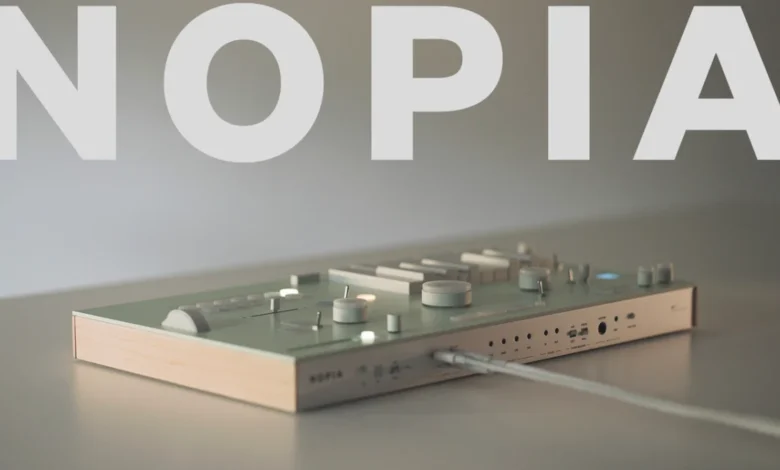
Three years after its initial digital prototype captivated the music production community, the Nopia harmony generator has transitioned from a viral internet sensation to a tangible hardware reality. The project, which seeks to bridge the gap between complex music theory and intuitive performance, officially launched its Kickstarter campaign this week, signaling the commencement of its first mass-production phase. With shipping currently projected for early 2027, the instrument has already validated its market viability by exceeding its initial $50,000 funding goal within 24 hours, ultimately surging past the $1.4 million mark in just a single day.
The rapid financial backing of the Nopia MK1 represents one of the most significant success stories in recent music-tech crowdfunding history. With over 2,000 backers contributing to the campaign and 28 days remaining at the time of reporting, the project has moved well beyond its initial financial threshold. This surge of interest serves as a testament to the enduring appeal of the instrument’s core design philosophy, which emphasizes accessibility in harmonic composition.
A Three-Year Evolution from Prototype to Production
The development of Nopia did not follow the standard corporate roadmap typical of the music hardware industry. Conceived by Argentinian musicians and designers Martin Grieco and Rocío Gal, the project began as a personal solution to a specific creative hurdle. Grieco, a performer and producer, found himself constrained during live sets, unable to simultaneously manage complex harmonic structures and expressive sound design.
In 2023, the duo released a demonstration video that effectively "broke" the internet, garnering over a million views in its first three days. This video did not showcase a polished product, but rather a conceptual framework. The viral response highlighted a latent demand for instruments that do not rely on traditional keyboard literacy. The creators spent the subsequent years refining the internal components, overcoming the manufacturing challenges inherent in custom hardware design, and transitioning from a conceptual Ableton Rack to a fully realized semi-modular synthesizer.
Technical Architecture and Harmonic Logic
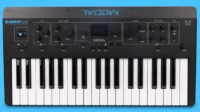
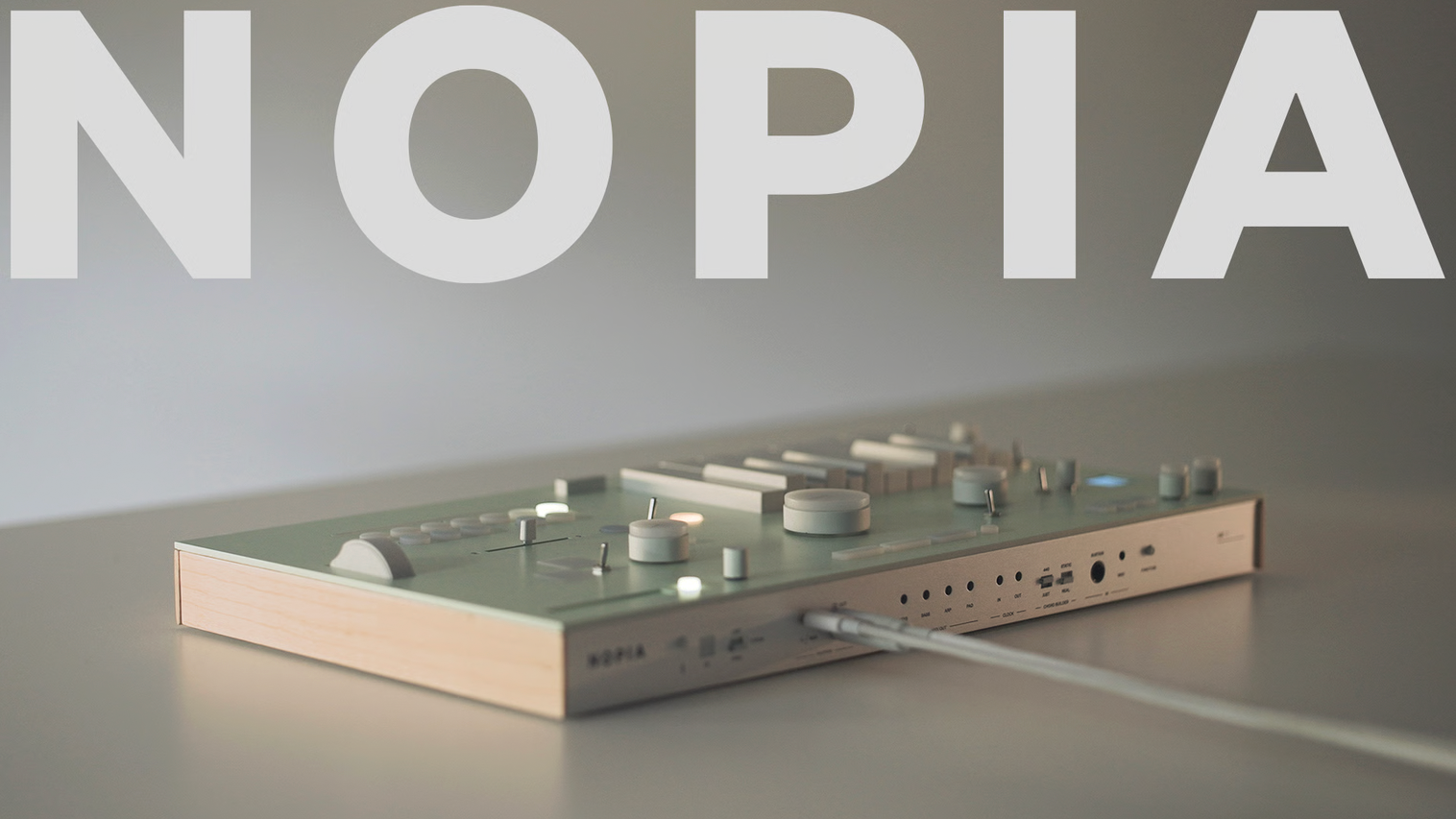
At the heart of the Nopia MK1 lies a unique interface designed to deconstruct the "spreadsheet" nature of modern MIDI controllers. The device is split into two primary zones: the Chord Builder, a one-octave keyboard on the left, and the Tonal Selector, a 12-button keyboard-style array on the right.
The device functions through two distinct operational modes. In "Real Mode," the instrument interprets the user’s input as the root note of a chord, automatically generating harmonic voicings based on the selected key. If a user plays a chromatic note outside of the established scale, Nopia intelligently interprets this as a secondary dominant, allowing for complex musical resolutions that would typically require advanced theoretical knowledge.
Conversely, "Static Mode" provides a more approachable entry point for non-keyboardists. In this setting, the keys represent specific scale degrees rather than static notes. By locking the instrument to a home key via the Tonal Selector, a user can navigate through an entire song’s chord progression using a single, consistent finger pattern. This approach is conceptually similar to the use of a capo on a guitar, enabling musicians to maintain a unified workflow regardless of the key signature.
Advanced Synthesis and Hardware Integration
Beyond its chord-generating capabilities, Nopia is a sophisticated multitimbral synthesizer. It utilizes four independent modules—Keys, Bass, Arp, and Pad—each capable of being routed individually via USB-C or traditional MIDI. The sound engine blends virtual analogue synthesis with sample-based playback, allowing for an organic, textured aesthetic.
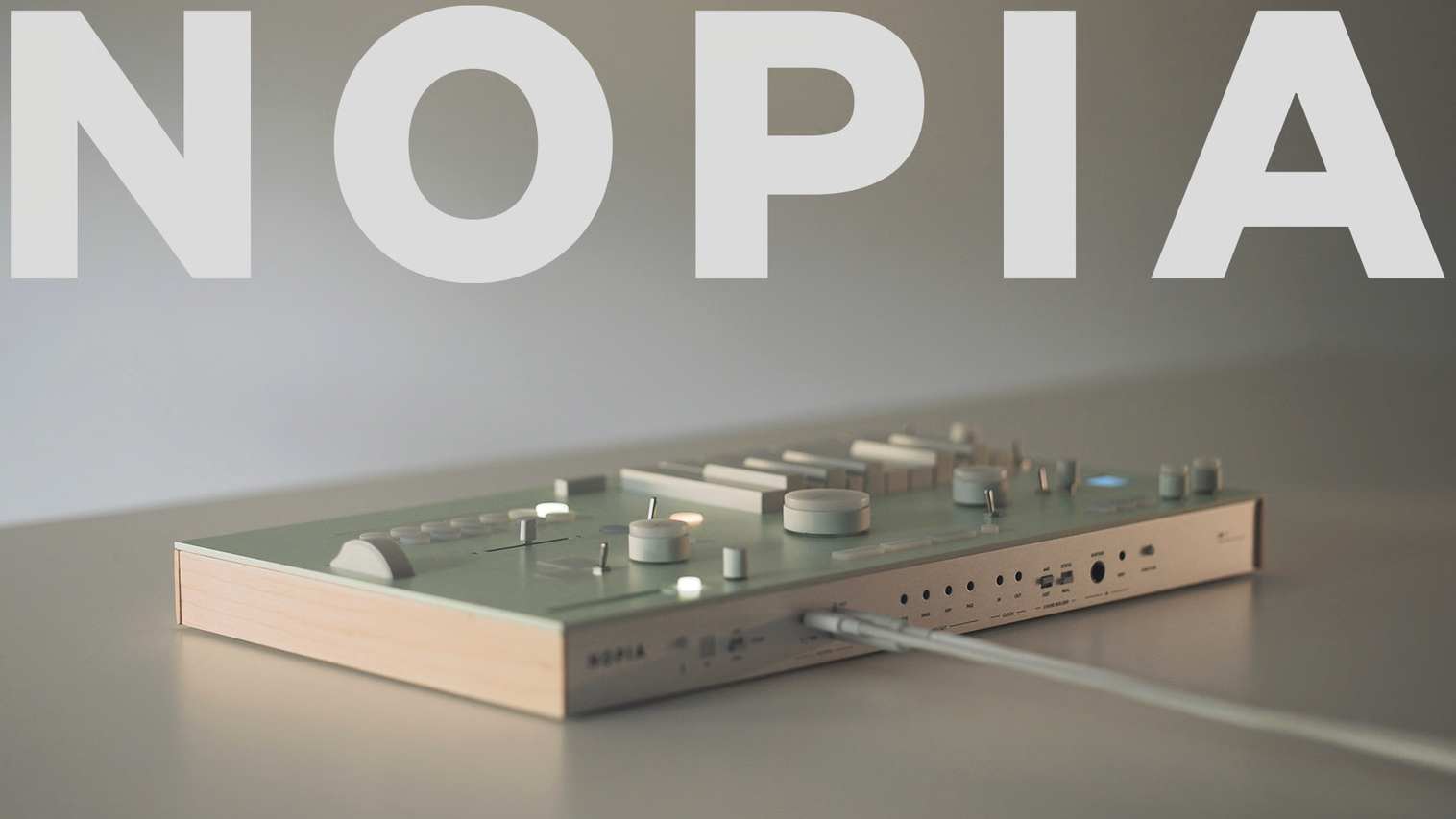
The hardware itself is a study in minimalist industrial design. Constructed from anodized aluminum and solid wood, the instrument lacks traditional labels, a decision made after feedback from early testers suggested that users preferred a tactile, memory-based approach to navigation. The onboard effects suite includes standard staples like reverb, delay, and filter, supplemented by a "Beat Repeat" style glitch effect and a three-slot looper, which provides substantial capabilities for real-time performance and parameter automation.
Industry Implications and Market Positioning
The success of Nopia indicates a broader shift in the music technology landscape toward "democratized complexity." As digital audio workstations (DAWs) have become increasingly powerful, there has been a parallel rise in the demand for hardware that simplifies the barrier to entry without sacrificing creative depth. By focusing on the "language of harmony" rather than traditional piano technique, Nopia addresses a demographic of producers and performers who value the emotional output of music over the mechanical execution.
The project’s reliance on community engagement, rather than traditional marketing agencies, marks a departure from standard industry practices. In a statement released to their backers, the Nopia team emphasized that their success was rooted in a direct connection with the community via email and video content. This grassroots approach has shielded the creators from the traditional "corporate" perception, positioning the MK1 as a community-driven endeavor rather than just another consumer electronic device.
Challenges and Future Trajectory
Despite the overwhelming positive reception, the path to the 2027 delivery date remains fraught with the realities of hardware engineering. The Nopia team has been candid about the difficulties of designing their own knobs, buttons, and keybeds, noting that off-the-shelf components failed to provide the necessary tactile feel.
Martin Grieco and Rocío Gal have repeatedly addressed the "rollercoaster" of expectations they have faced since the viral debut of the prototype. The challenge, they noted, is to create an instrument that is as reliable in a high-pressure live environment as it is in the studio. "It can’t crash," Grieco noted during a recent briefing. "Everything you’re doing has to happen in milliseconds."
As the campaign continues, the team is already looking toward the future. While the Nopia MK1 is the current focus, the creators have confirmed that plans for a potential MK2 and an expanded family of instruments—including dedicated modules for drums and polyrhythms—are already in the conceptual stage.
Conclusion: A New Standard for Intuitive Composition
The Nopia MK1 stands as a landmark example of how modern crowdfunding can bring niche, highly specialized creative tools to life. By removing the gatekeeping elements of music theory and providing an interface that prioritizes the "ear" over the "finger," Nopia is set to change how producers interact with harmonic structure.
For the over 2,000 backers currently awaiting their units, the next two years represent a period of anticipation for an instrument that promises to be as much a part of the musical ecosystem as the piano or the guitar. As the project moves into the manufacturing phase, the focus will shift from the conceptual "what-if" of a viral video to the concrete reality of performance. Whether the MK1 will redefine the standard for hardware synths remains to be seen, but its early success makes it clear that the demand for instruments that prioritize musical intuition over technical proficiency is stronger than ever. The "Nopia"—derived from the Argentine slang for a piano—may well have earned its place as a new, distinct category of musical instrument.