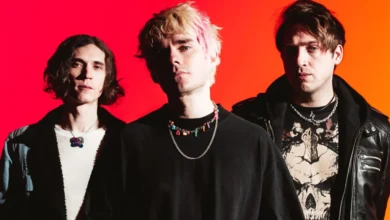
Honey Revenge Embraces Duality and Resilience in Sophomore Album Loving And Losing


The California-based musical duo Honey Revenge, comprised of vocalist Devin Papadol and guitarist Donny Lloyd, has officially ushered in a new era of their artistic evolution with the release of their sophomore studio album, Loving And Losing. Following the unexpected success of their 2023 debut, Retrovision—a project that morphed from a planned EP into a multi-year touring catalyst—the band has returned with a record that serves as a profound meditation on the inseparable nature of affection and grief. The album arrives at a pivotal juncture for the duo, documenting a period defined by internal friction, significant personal loss, and a deliberate recalibration of their creative identity.
A Chronology of Growth and Creative Friction
The trajectory of Honey Revenge began with the meteoric rise of Retrovision, which initially served as a digital-first release before expanding into a comprehensive tour cycle that spanned three years. While that debut was characterized by a "fake it ’til you make it" ethos, the subsequent years presented the duo with harsh realities. By the time writing sessions for Loving And Losing commenced in a remote mountain cabin in California, the professional and personal pressure had reached a critical mass.
Devin Papadol has been transparent about the volatility present during these early sessions. The duo’s dynamic, which they have frequently compared to that of siblings—complete with cycles of "tough love" and intense, high-stakes disagreements—became a central feature of the writing process. The band faced a existential crisis: how to evolve as artists while maintaining the core chemistry that brought them together in the first place. This tension, rather than being stifled, was channeled directly into the lyrical content of the new record, providing a raw, unfiltered look at the challenges of maintaining a collaborative creative partnership.
Data and Context: The Shift in Sound and Philosophy
The sonic landscape of Loving And Losing represents a departure from the polished, vibrant pop-rock of their debut. Influenced heavily by the "glossy dancefloor recklessness" of early 2000s artists like Kesha, the duo sought to balance vulnerability with the numbness often associated with high-energy party music.
Data regarding their streaming performance and audience engagement following the Retrovision tour suggests a significant shift in listener demographics, with fans gravitating toward both their high-tempo anthems and their introspective, ballad-heavy tracks. This bifurcation in their sound is evident on the new album: songs like "Run Your Mouth" are engineered for the live environment, while tracks like "Technicolor" and "Freaks Of Nature" lean into a sincerity that Papadol admits was once outside her comfort zone.
The following table summarizes the thematic transition between their two major projects:
| Feature | Retrovision (2023) | Loving And Losing (2026) |
|---|---|---|
| Primary Theme | "Fake it ’til you make it" | Reckoning with grief and connection |
| Sonic Palette | High-energy pop-rock | Noughties-inspired party-pop & synth |
| Lyrical Tone | Assertive, confident | Vulnerable, self-aware, complex |
| Creative Process | External collaboration | Internal, collaborative focus |
The Impact of Personal Loss on Artistic Direction
A defining factor in the development of this record was the sudden death of Papadol’s father during the release week of Retrovision. This event fundamentally altered the emotional framework of the band’s songwriting. For Papadol, the loss catalyzed a re-examination of her life’s work; she found herself in the ironic position of finally achieving the professional success she and her father had envisioned, while simultaneously navigating the void left by his absence.
This grief is not presented as a static point of sorrow on the album, but as a lens through which to view all human connection. The tracks "Inevitable" and "Butterfly Effect" explore the transient nature of existence and the chain reactions that define human experience. By confronting these themes, Honey Revenge has transitioned from a band defined by its surface-level aesthetic to one anchored by a deeper, existential narrative.
Collaborative Dynamics and Production Standards
For their second outing, Donny Lloyd assumed a more assertive role in the instrumentation and composition process. Having recognized that the collaborative process on the first record sometimes resulted in a dilution of their specific vision, the duo prioritized working with a tight-knit circle of trusted creators.

Key contributors included KiNG MALA, who co-wrote the title track, and producer Danen Reed Rector. By limiting the number of outside voices in the writing room, the band ensured that the resulting sound remained authentic to the "duo" identity they have cultivated. This strategy reflects a broader trend in the modern music industry where independent-minded acts are increasingly reclaiming control over their production workflows to ensure consistency across their catalogs.
Visual Identity and Symbolic Reclamation
The visual presentation of Loving And Losing is equally calculated to reflect the band’s thematic evolution. The album cover features Papadol with her birthmarks transformed into constellations, a visual metaphor for the idea that life’s scars and defining moments are pre-written in the universe.
In a departure from the "pastelly" aesthetic of their debut, the duo opted for a darker, more mature palette. The decision to have the album title physically stenciled onto Papadol’s skin—using a temporary tattoo process performed by her partner—served as an act of embodiment. This move was intended to signify that the music is not merely a product or a digital file, but an extension of the artists’ own physical and emotional lives.
Analysis of Industry Implications
The release of Loving And Losing carries significant implications for Honey Revenge’s standing within the alternative pop scene. By refusing to deliver a carbon copy of their debut, the band risks alienating segments of their audience that preferred the "cutesy" aesthetic, but they gain credibility as long-term artists.
The industry at large has observed a shift in how bands manage their sophomore efforts. There is a growing premium placed on "authentic vulnerability," where artists are expected to disclose the personal toll of their careers. Honey Revenge’s willingness to discuss the "humiliation" of heartbreak and the "devastation" of family loss places them squarely within a movement of artists—alongside the likes of Olivia Rodrigo and Gracie Abrams—who utilize their platform to bridge the gap between pop polish and confessional songwriting.
Looking Toward the Future
As the band enters the next phase of their career, they have explicitly rejected the pressure to provide a "clean resolution" or a simplistic moral takeaway for their listeners. Instead, they position their music as a companion for those navigating their own cycles of grief and discovery.
"We don’t have it all figured out," Papadol noted in a recent discussion. "No one has the key, but you’ve got to figure out what’s right for you."
This perspective signals a maturation that will likely define the band’s future projects. Rather than chasing the metrics that defined their early success, Honey Revenge is opting for a model of sustainable artistry, one that prioritizes individual growth and the maintenance of their partnership. As they embark on the promotional cycle for Loving And Losing, the industry will be watching to see how this transition from a "band of the moment" to a "band of substance" resonates with a fanbase that is growing up alongside them.
The record serves as a testament to the idea that, in both love and art, the act of letting go is often the prerequisite for creating something entirely new. Whether through the lens of their music or their increasingly sophisticated visual branding, Honey Revenge has cemented their status as a duo capable of turning their personal contradictions into a cohesive and compelling narrative.