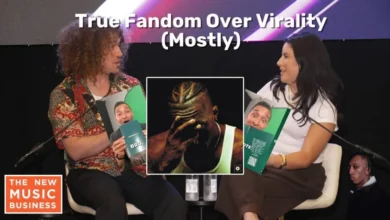
The modern music industry is undergoing a seismic shift, moving away from erratic algorithm-chasing and temporary social media viral moments toward a renewed focus on cultural impact, intentional storytelling, and long-term career sustainability. This evolving landscape was the central focus of a recent episode of the New Music Business podcast, hosted by author and musician Ari Herstand. Herstand sat down with Laurie Lee Boutet, an accomplished artist manager at Wednesday Management and the driving force behind the chart-topping Canadian rock band The Beaches.
During the in-depth interview, Boutet shared critical insights into the realities of contemporary music marketing, debunked the myth that a single viral TikTok video is a golden ticket to lasting success, and detailed the strategic mechanics behind The Beaches’ explosive trajectory from modest streaming numbers to international recognition. The conversation serves as a masterclass for independent artists, managers, and industry professionals navigating a digital ecosystem that changes by the day.
The Anatomy of a Breakout: How One Sync Placement Changed Everything
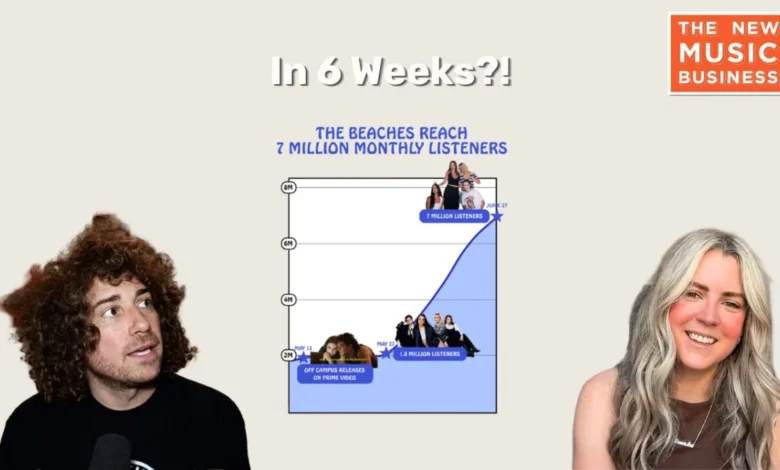
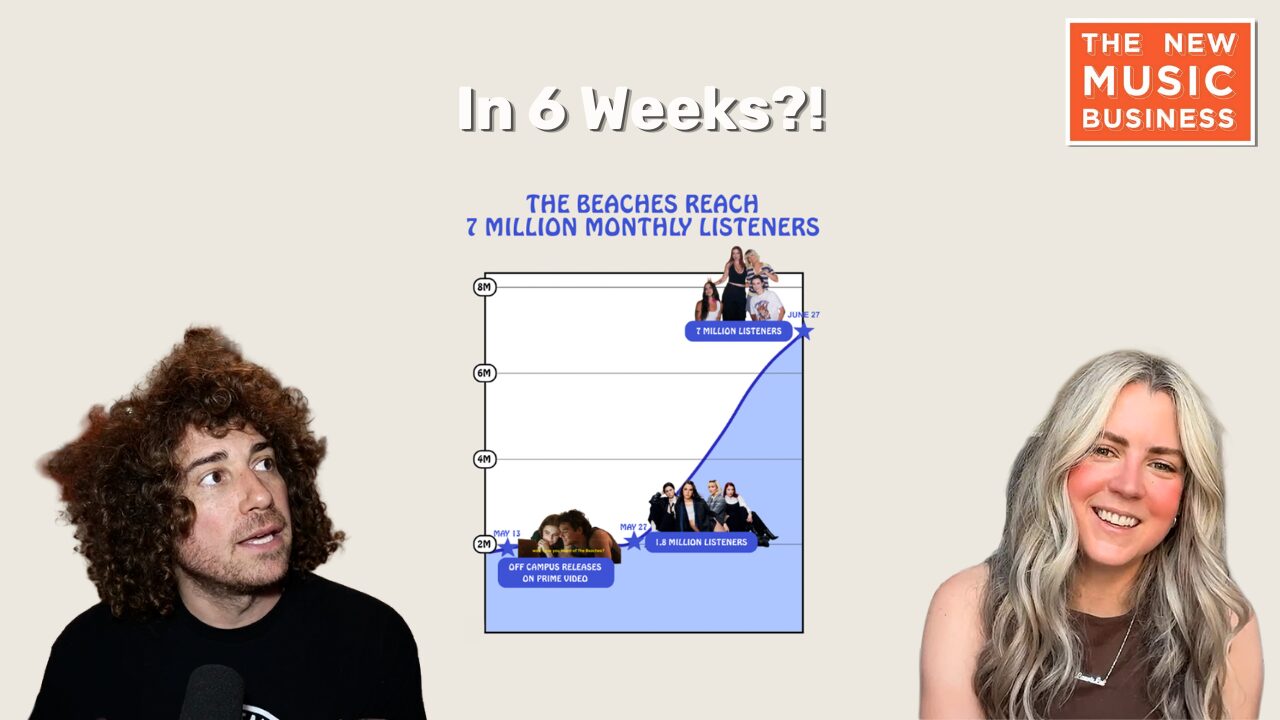
At the heart of Boutet’s discussion with Herstand is the remarkable turnaround story of The Beaches, a rock outfit that saw their career trajectory radically transformed following a strategic sync placement. For years, the band worked tirelessly within the traditional music industry framework, building a dedicated fanbase in Canada and steadily releasing music. However, the modern turning point arrived when their track was featured in the television project Off Campus.
Sync placements—the licensing of music for television, film, video games, and commercials—have long been recognized as lucrative revenue streams and promotional tools for artists. In the case of The Beaches, the synchronization did not just generate passive income; it served as a cultural lightning rod that connected their sound directly to a hyper-engaged visual audience.
Prior to the sync placement, the band was pulling in roughly 18,000 streams a day—a respectable figure for an indie rock band, but one that fell short of global breakthrough status. Following the exposure from Off Campus, that number skyrocketed to an astonishing one million streams a day. This dramatic leap highlights a core thesis of Boutet’s management philosophy: while digital platforms are essential, traditional media placement and cultural context possess the unique power to unlock exponential audience growth almost overnight.
Why Viral TikToks No Longer Guarantee Longevity
One of the most provocative segments of the podcast episode addresses the diminishing returns of short-form video apps, specifically TikTok. In the early days of the platform’s music boom, a viral dance trend or a catchy 15-second sound snippet could effortlessly propel an unknown track to the top of the charts. Today, however, Boutet argues that the landscape has fundamentally matured—or perhaps oversaturated.
Artists who spend all their time and capital trying to engineer viral moments on TikTok are often left disappointed. Boutet points out that viral TikToks do not work like they used to because users have become desemptized to overt marketing tactics, and algorithms now prioritize hyper-personalized, fleeting entertainment over long-term artist loyalty.
According to Boutet, chasing short-form video trends often leads to burnout without yielding genuine career momentum. Instead of viewing TikTok as a primary career driver, artists must understand it merely as a top-of-funnel discovery tool. Transitioning a casual viewer into a dedicated listener requires substance far beyond a brief loop. The modern music consumer expects authenticity, depth, and a narrative that resonates on a personal level, which short-form videos alone rarely provide.
Navigating the Digital Ecosystem: TikTok Versus Instagram
As the conversation shifted toward practical platform strategy, Boutet and Herstand evaluated where independent artists should focus their limited time and energy. With countless social media networks demanding daily attention—from TikTok and Instagram to YouTube Shorts and X—artists frequently suffer from extreme creative fatigue.
Boutet sheds light on the functional differences between TikTok and Instagram in the current promotional cycle. While TikTok remains a powerful engine for cold discovery—exposing music to users who have never heard of the artist before—Instagram continues to serve as the premier digital home for cultivating community and deepening relationships with existing fans.
For developing acts, spreading resources thin across every available platform is a recipe for creative exhaustion. Boutet advocates for a strategic prioritization model: use discovery-heavy engines to cast a wide net, but direct audiences toward platforms where community interaction, aesthetic cohesion, and direct-to-fan messaging can thrive. By understanding the distinct psychological behaviors of users on different platforms, artists can tailor their content rather than recycling the exact same asset across channels where it may fall flat.
Challenging Industry Norms: Do Indie Artists Still Need Music Videos?
Another major debate addressed in the interview is the enduring relevance of the traditional music video. For decades, the high-budget music video was considered a mandatory rite of passage for any artist launching a single. In the MTV era and the early days of YouTube, a compelling visual companion could make or break a song’s commercial viability.
However, in the era of short-form content, the financial calculus has changed dramatically. Many independent artists sink thousands of dollars—often representing their entire recording budget—into cinematic music videos that generate a brief spike in views before disappearing into the digital ether.
Boutet addresses whether indie acts should bypass traditional music videos altogether, urging artists to evaluate the return on investment for every creative asset they produce. If a traditional music video fails to drive meaningful audience retention or long-term engagement, those financial resources might be far better allocated toward touring, targeted marketing campaigns, or creating iterative, native social content that speaks directly to the community. The shift is not about abandoning visual art entirely, but rather about aligning visual production with realistic financial parameters and modern consumption habits.
Building True Superfans Over Passive Listeners
Perhaps the most critical takeaway from Boutet’s discussion on the state of music marketing is the distinction between casual streams and true superfans. In an era dominated by playlist culture, it is remarkably easy for a track to rack up millions of passive streams from listeners who could not name the artist, buy a ticket to a live show, or purchase physical merchandise.
Boutet emphasizes that the future of artist growth rests on the cultivation of true superfans. These are the consumers who invest emotionally and financially in an artist’s journey. Building a sustainable career requires moving past the vanity metrics of total stream counts and focusing on community architecture.
Creating true superfans involves offering exclusive access, transparent storytelling, and physical touchpoints that make the audience feel like active participants in the artist’s rise rather than passive consumers of algorithmic content. Boutet warns artists to stop wasting money on superficial content creation strategies that yield high impressions but low conversion rates. True career longevity is built on depth, not breadth.
The Broader Implications for the Music Industry
The insights shared by Laurie Lee Boutet on the New Music Business podcast reflect a broader, industry-wide reckoning. For the past several years, the music business has grappled with the unintended consequences of the streaming gold rush and the data-obsessed era of playlisting and social media hacks.
As digital saturation peaks, industry professionals and independent creators alike are realizing that data points and algorithm optimization cannot replace genuine human connection and cultural resonance. The success of bands like The Beaches—bolstered by a potent mix of traditional media placement, undeniable musicianship, and savvy modern management—proves that classic artist development principles still hold immense power when paired with contemporary digital strategies.
As the industry looks toward the future, the blueprint for artist growth is clearly pivoting. The era of mindless content spamming is giving way to a more disciplined, intentional approach to music marketing. By prioritizing cultural moments over viral gimmicks, respecting the distinct roles of modern digital platforms, and focusing relentlessly on building authentic superfan communities, artists can forge resilient, long-lasting careers capable of weathering the ever-changing tides of the global music market.