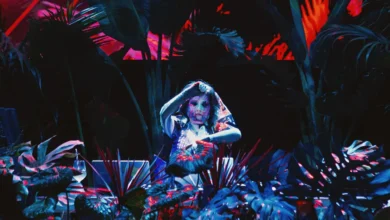
The investigative documentary series Die Spur, produced by the German public broadcaster ZDF, has turned its analytical lens toward the ongoing scandal surrounding the Hardtechno-Callout—a digital movement that has significantly disrupted the electronic dance music (EDM) landscape since early 2026. Directed by Maike von Galen and Silja Thoms, the 30-minute film, titled "Missbrauch: Insider schockt die Techno-Szene" (Abuse: Insider Shocks the Techno Scene), provides a harrowing look at allegations of sexual misconduct, abuse of minors, and attempted rape leveled against several prominent figures in the international DJ circuit.
The Origins of the Callout
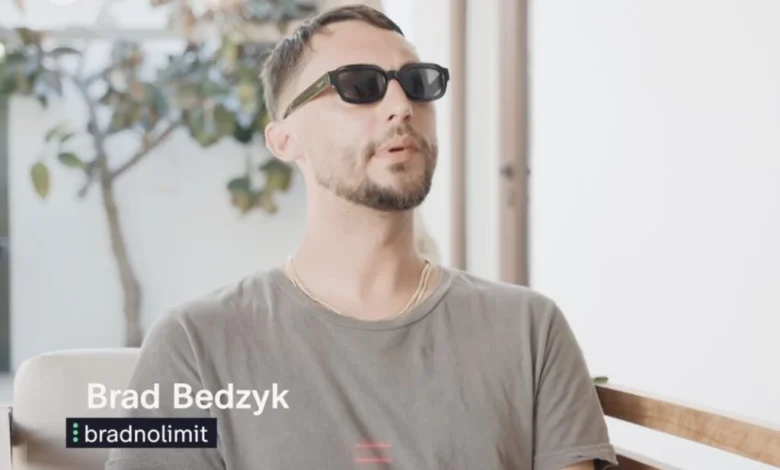
The controversy began in February 2026 when an Instagram account operating under the handle @bradnolimit initiated a systematic campaign of disclosure. The account acted as a digital clearinghouse for anonymous tips, detailing alleged predatory behavior by DJs who, until that point, enjoyed significant status and professional protection within the club and festival ecosystem.
For the production of this documentary, the ZDF team achieved a journalistic milestone by tracking down the person behind the @bradnolimit account. In an exclusive interview conducted on Ibiza, the elusive whistleblower provided insight into the methodology behind the data collection and the personal motivations driving the exposure. To ensure a multi-layered analysis of the claims, the ZDF production team collaborated with Katrin Fuhrmann, editor-in-chief of the industry-standard publication DJ Mag, whose expertise provided critical context regarding the industry’s internal structures.
Chronology of the Crisis
The emergence of the Hardtechno-Callout did not happen in a vacuum, but rather as a violent collision between digital activism and an industry that has long been accused of operating with insufficient oversight.
- February 2026: The @bradnolimit account begins posting detailed allegations, triggering immediate industry-wide panic.
- March–April 2026: Multiple festivals face intense public pressure to remove accused artists from their lineups. The movement gains momentum as more survivors come forward, emboldened by the anonymity provided by the platform.
- May 2026: Legal battles ensue. One accused DJ attempts to force the closure of the @bradnolimit account through a French court, citing defamation. The court rejects the motion, noting that the allegations possess sufficient factual merit to warrant public discourse.
- September 2026: The ZDF documentary airs, bringing the conversation from niche social media threads into the mainstream public sphere.
The Festival Dilemma: Security vs. Due Process
A central case study in the documentary is the Open Beatz Festival in Herzogenaurach. As one of Southern Germany’s most significant Hardtechno events, the organizers found themselves caught in a precarious position. Florian Gebauer, the festival promoter, provides a candid account of the decision-making process required to navigate the crisis.
Gebauer details the operational necessity of removing booked DJs who had not yet been convicted of any crime. He acknowledges the term "pre-judgment" (Vorverurteilung) in his own actions but argues that the festival management faced an impossible choice: either maintain the artistic integrity of the lineup and risk a massive public backlash and potential safety concerns on-site, or preemptively remove artists to ensure a safe environment for attendees. This highlights the systemic vulnerability of festival organizers who lack the investigative resources of law enforcement but are expected to act as the final arbiters of moral conduct.
Industry Criticism and Systemic Failures
The documentary features voices from various sectors of the industry who critique the current state of festival and club management. 1Live radio moderator and DJ Larissa Ries highlights a critical, often ignored issue: the lack of rigorous credentialing and the pervasive nature of unrestricted access to backstage areas.
According to Ries, the industry has long prioritized "access" as a status symbol, which, when combined with inadequate security protocols, creates an environment where predators can operate with little oversight. Furthermore, the collective MeTooDJs—a group dedicated to addressing gender-based violence and misconduct in the electronic music scene—contends that major festival organizers were largely reactive, waiting for social media pressure to peak before taking necessary disciplinary action, rather than proactively implementing safety standards.

The Paradox of the Whistleblower
One of the most complex narrative threads in the documentary is the moral ambiguity surrounding the @bradnolimit figure himself. The investigative report reveals that the whistleblower is not viewed universally as a hero; several women have come forward to accuse the account holder of engaging in the very predatory behavior he claims to be fighting against.
In a written statement included in the documentary, the individual behind the account vehemently denies these accusations. This revelation adds a layer of profound irony to the entire saga: the movement dedicated to exposing abuse is itself haunted by claims of misconduct. This serves as a cautionary tale about the limits of digital vigilantism, where the lack of formal judicial oversight can lead to a collapse of credibility for all parties involved.
Data and Sociological Implications
While specific statistics regarding the number of victims remain difficult to verify due to the nature of the allegations, industry observers note that the Hardtechno-Callout has had a measurable impact on the "market value" of accused artists. Since the movement began, several agencies have reported the termination of contracts with artists mentioned in the reports.
The psychological impact on the victim community, however, is the more significant, if less quantifiable, outcome. By breaking the silence that has historically protected powerful figures in the music industry, the movement has shifted the burden of proof, albeit informally. The fact that a French court found the allegations "potentially justified" indicates a growing shift in the judiciary’s perception of social media-based evidence in cases involving sexual misconduct.
Broader Impact on the Scene
The implications of this documentary—and the wider Hardtechno-Callout—extend far beyond the cancellation of a few festival sets. It forces the electronic music industry to confront its own "cult of personality." For decades, the anonymity and high-energy, drug-fueled culture of the scene were viewed as a form of liberation. Today, critics argue that these same factors have created a "culture of silence" where power is centralized in the hands of a few gatekeepers, and where the safety of the audience is often subordinated to the commercial needs of the scene.
Moving forward, the industry faces an inflection point. The call for professionalized security, stricter vetting for artists, and the creation of independent reporting bodies has moved from the fringes of discussion to the center of board meetings. Whether the industry can self-regulate effectively or whether it will require legislative intervention remains the primary question for the coming years.
The ZDF documentary does not offer easy answers. Instead, it documents a moment of profound rupture, where the myth of the "techno utopia"—a space free from the societal norms of the outside world—has been irrevocably shattered. As the scene continues to grapple with these revelations, the message to promoters, agents, and fans alike is clear: the era of unchecked impunity is ending, and the cost of silence has become far too high to ignore.
The documentary Missbrauch: Insider schockt die Techno-Szene is now available via the ZDF Mediathek, and the ongoing coverage by industry publications continues to track the legal and social repercussions as they unfold. For the victims, the movement represents a fragile hope for accountability; for the industry, it is a wake-up call that the music cannot continue at the expense of human dignity.