The Dilemma of the Modern Music Video: How Artists Are Returning to Puppetry and Animation to Fight Algorithm Fatigue

In the contemporary landscape of the music industry, releasing a visual component alongside a new single has evolved from a promotional luxury into an absolute industry standard. Streaming platforms, social media algorithms, and shifting consumer habits have transformed how listeners discover and consume audio art. Yet, this digital saturation has created a distinct paradox for independent and roots musicians. While visuals are virtually required to capture attention spans trained on 15-second vertical clips, high-budget cinematic music videos featuring professional actors often place an unsustainable financial burden on performers. Furthermore, overly polished or dramatic narratives can inadvertently box in a listener’s imagination, transforming an open-ended lyrical journey into a rigid, network-television-style melodrama.
As artists grapple with the pressures of algorithmic compliance, skyrocketing production costs, and a culture of instant gratification, a growing counter-movement is taking shape. Independent roots and folk acts are increasingly turning to a timeless, tactile alternative: hand-crafted puppets, animation, claymation, and stop-motion. By sidestepping traditional live-action formats, these creators are bypassing exorbitant budgets and sidestepping the trap of over-sentimental storytelling, using imaginative visuals to stoke rather than limit the listener’s personal experience.
The Financial and Creative Burden of Modern Visuals
For decades, the music video served as a primary artistic extension of a song. However, the expectations surrounding these visual assets have shifted dramatically in the era of short-form content. Major platforms like Spotify have integrated looping visual media—often comprising compressed 15-second clips recycled from Instagram Reels or TikTok—directly into their user interfaces. This shift operates under the assumption that listeners require constant visual stimulation to stay engaged with a standard three-minute track.
For independent musicians who operate outside the financial ecosystems of major record labels, keeping pace with these demands presents profound economic hurdles. Traditional live-action video shoots require renting equipment, hiring directors, securing locations, paying cast and crew, and managing post-production. A single professional-grade video can easily cost tens of thousands of dollars—a steep investment for artists whose primary revenue streams have been upended by streaming economics.
Beyond the financial strain, narrative-driven live-action videos often impose creative limitations. When an artist casts professional actors to portray the characters in a song, they lock the narrative into a singular interpretation. Listeners are no longer able to project their own memories, emotional landscapes, and personal histories onto the lyrics. Instead, they are left watching a mini-drama that may feel disconnected from their own lived reality.
In response to these creative and financial constraints, a segment of the independent music community is rediscovering the liberating potential of stop-motion, animation, and puppetry. These mediums offer a way to inject humor, whimsy, and genuine artistic craftsmanship into a promotional campaign without breaking the bank or over-explaining the lyrics.
Willi Carlisle and Tyler Childers Embrace Muppet-Style Whimsy
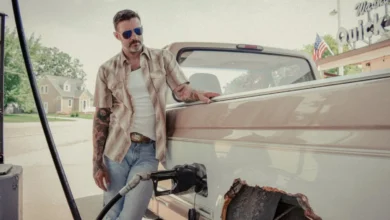
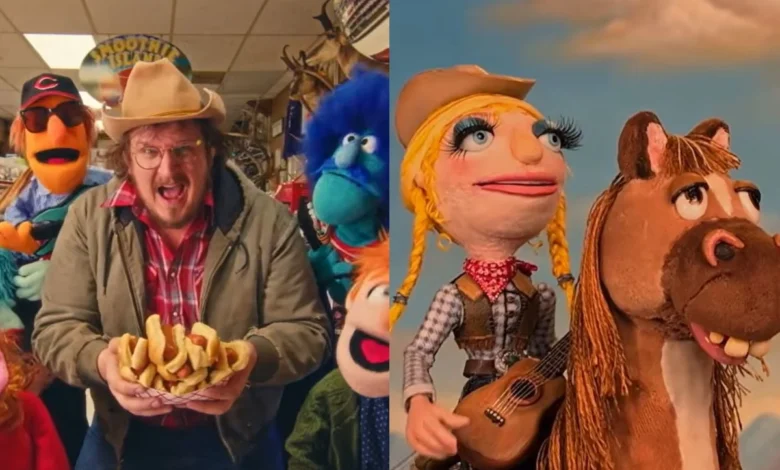
A prime example of this creative pivot can be found in the collaborative circles of contemporary folk and Appalachian music. Folk artist Willi Carlisle, widely anticipated for his upcoming November 6 album The Universal Bubba, recently demonstrated how whimsical visual media can elevate a roots track without taking itself too seriously.
Produced by Grammy-winner Tyler Childers, Carlisle’s new single “Gas Station” features contributions from Childers and elements of his backing band, The Food Stamps. The track carries thematic echoes of Carlisle’s signature satirical and poignant storytelling, reminiscent of fan-favorite works like “Vanlife.” While Carlisle is fully capable of writing devastatingly emotional material—such as his haunting narrative “Tulsa’s Last Magician”—“Gas Station” called for a lighter, more playful approach.
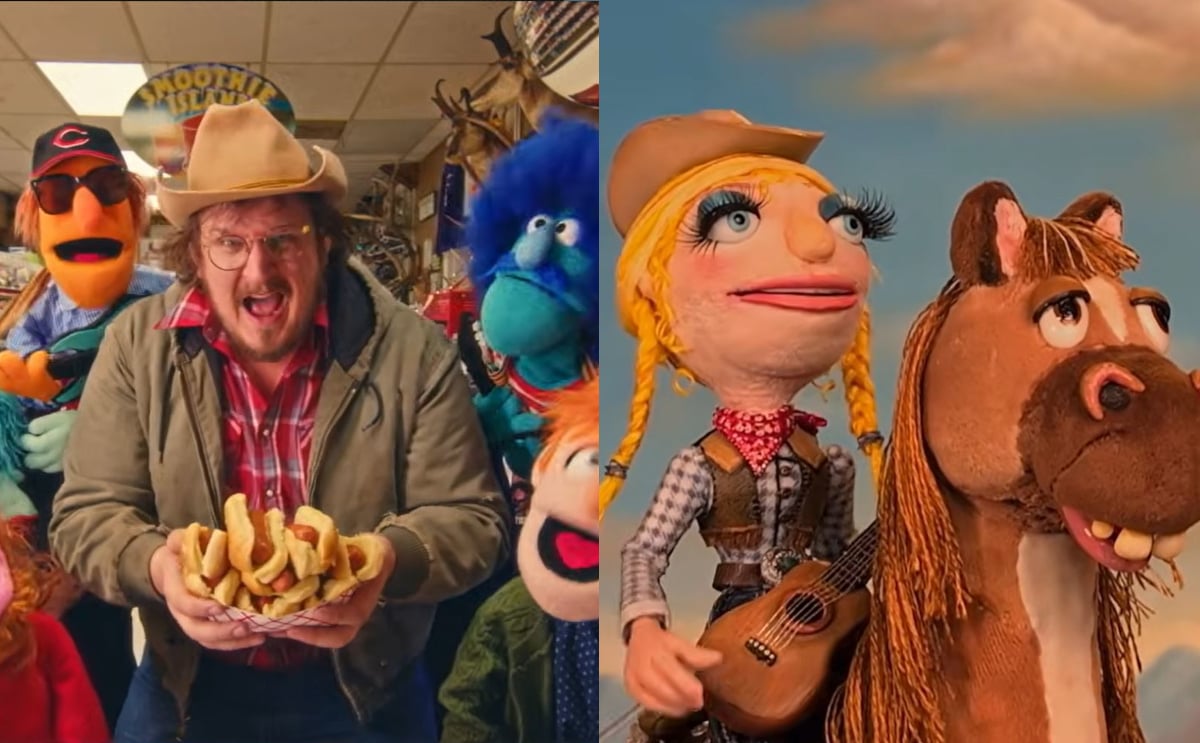
To bring the track to life visually, director Mike Vanata of Western AF enlisted puppet maker Richard Michael Gomez. The resulting music video features an ensemble of custom-made Muppet-style puppets that mirror the real-life musicians, complete with uncanny details like bassist Craig Burletic’s signature puffy hair. By deploying puppets rather than human actors, the production avoids the heavy-handed drama of standard music videos, leaning instead into self-aware humor and tactile artistry that invites fans into the song’s eccentric world.
Rachel Brooke and the DIY Antidote to Algorithmic Culture
While some artists collaborate with specialized visual directors, others are taking the painstaking DIY approach to its absolute limit. Underground country artist Rachel Brooke addressed the grueling economic realities of the modern music business head-on with her song “The Ballad of Bald Hill,” featured on her recent album This One’s For You.
Brooke’s lyrics directly challenge the modern devaluation of independent artistry in favor of digital engagement metrics:
“But how am I supposed to pay my dues, when I’m getting paid in likes and views. Now how is that a substitute for a front row seat? And why should I chase my dreams and streams when people are hungry and the weather’s extreme? Can’t you hear them crying outside your algorithm?”
To accompany a song that explicitly critiques the digital attention economy, video creator Jess Mess (Jess Varda) undertook a massive, analog-driven visual project. Eschewing artificial intelligence generators and high-tech digital effects, Varda spent nine months hand-crafting every set, puppet, and prop from scratch.
Reflecting on the grueling production process, Varda noted that she had to teach herself mobile cinematography and video editing from the ground up. Describing the completed project as an "art project baby," the resulting stop-motion video stands in stark contrast to the rapid, disposable content flooding social media feeds. It represents a deliberate return to slow, intentional craftsmanship that mirrors the authentic, working-class ethos embedded in traditional country and folk music.
The Broader Implications for Independent Music Promotion
The pivot toward stop-motion, claymation, and puppetry is more than just a nostalgic aesthetic trend; it represents a functional survival strategy for artists navigating an oversaturated digital marketplace. As generative artificial intelligence begins to flood platforms with low-effort, algorithmically generated visual "slop," audiences are showing an increased appreciation for human labor, physical texture, and genuine artistic intent.
From an economic perspective, handcrafted physical media offers a sustainable middle ground. While building puppets or sets requires a significant investment of time, the material costs are often far lower than hiring a full film crew, renting high-end camera packages, and securing permits for location shoots. Furthermore, these unique visual assets hold long-term value as collector’s items or talking points in press campaigns, outlasting the fleeting lifespan of standard promotional clips.
Culturally, these projects demonstrate a growing pushback against the homogenization of music marketing. By rejecting the polished, corporate sheen of network-television-style music videos, artists are reclaiming control over how their art is perceived. Whether through Willi Carlisle’s tongue-in-cheek puppet band or Rachel Brooke’s meticulously hand-built miniature worlds, these creators prove that imagination does not require a blockbuster budget—just a willingness to look backward to move forward.
Related posts: