Krayzie Bone’s Spread the Love Foundation to Benefit from Ohio Hip Hop Awards 20th Anniversary Reunion Dinner

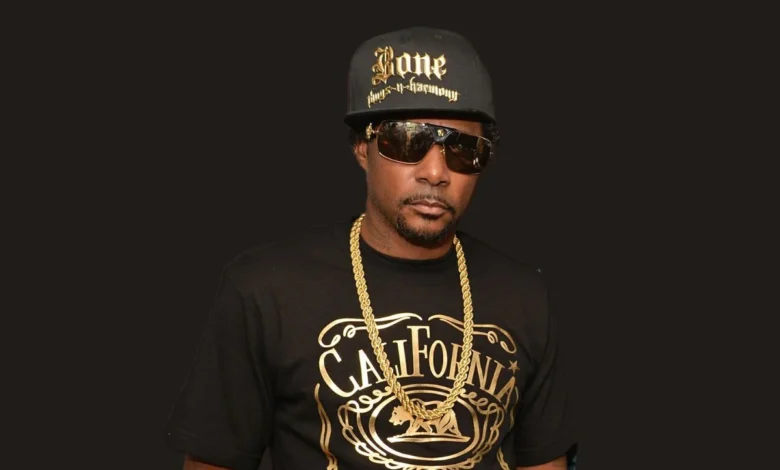
The cultural landscape of Ohio’s music scene is preparing for a significant milestone this November as the Ohio Hip Hop Awards (OHHA) convenes for a special 20th-anniversary reunion dinner. Beyond the nostalgia and the celebration of two decades of artistic contribution, the event serves as a pivotal philanthropic vehicle. Proceeds from the evening will be split between Krayzie Bone’s Spread the Love Foundation and the Nerve DJ Institute, founded by DJ Johnny O. This partnership underscores a growing trend in the music industry: the transition from pure entertainment toward sustainable community development and vocational training for at-risk youth.
The event, scheduled for Sunday, November 1, at the Music Box Supper Club in Cleveland, represents a convergence of legacy and future-building. With the red carpet opening at 4 p.m. and the main program commencing at 6 p.m., the evening is designed to honor the history of the OHHA—which initially ran from 2006 through 2017—while simultaneously funding the infrastructure necessary to guide the next generation of music industry professionals.
The Mission: Bridging the Gap in Youth Vocational Training
At the heart of the partnership is the Spread the Love Foundation, an organization spearheaded by the Bone Thugs-N-Harmony legend Krayzie Bone. The foundation’s core objective is to provide comprehensive career training and arts education to youth between the ages of 13 and 17. Unlike programs that focus solely on the performance aspect of music, Spread the Love emphasizes the "behind-the-scenes" roles that sustain the industry: sound engineering, audio production, songwriting, and music business management.
The necessity for such programs is supported by broader labor statistics within the creative arts sector. According to data from the Bureau of Labor Statistics, the demand for audio and video equipment technicians is projected to grow at a rate faster than the average for all occupations. By equipping youth with these specific technical skills, the foundation is not merely providing a creative outlet; it is providing a legitimate pathway to gainful employment.
This focus is mirrored by the Nerve DJ Institute, which serves a similar function for aspiring DJs and music professionals. By combining forces at this reunion dinner, the two organizations are signaling a unified front in the push for professionalization in urban arts education.
Historical Context: A Legacy of the Ohio Hip Hop Awards
The Ohio Hip Hop Awards hold a distinct place in the state’s cultural chronology. Established in 2006, the awards served as the primary platform for recognizing regional talent during the burgeoning era of digital distribution and the decline of traditional record labels. From 2006 to 2017, the OHHA Showcase Tour traveled throughout the state, documenting the evolution of Ohio’s distinct hip-hop sound.
The upcoming reunion is expected to serve as a living archive. Organizers have indicated that the event will feature previously unseen footage, anecdotes from industry veterans, and a retrospective of the impact the organization had on local artists who went on to national prominence. Hosting duties have been assigned to Shugabooga, with musical accompaniment provided by DJ Iceburg Pimpin, ensuring that the event balances professional reflection with the high-energy atmosphere synonymous with the genre.
Impact at the Juvenile Justice Level
Perhaps the most tangible evidence of the success of these philanthropic efforts can be found within the Cuyahoga County Juvenile Detention Center. On October 18, 2024, the Spread the Love Foundation celebrated the graduation of eight residents from its "Interest 2 Income" program.
The program goes beyond creative expression; it integrates fundamental concepts of financial literacy, entrepreneurship, and personal accountability. During the graduation ceremony, the participants performed original compositions, demonstrating both technical proficiency in recording and the ability to articulate personal narratives through song.
This model of intervention—providing vocational training within the juvenile justice system—is increasingly recognized as an effective method for reducing recidivism. Research from the National Endowment for the Arts suggests that youth who participate in high-quality arts programs are more likely to achieve academic success and exhibit improved social-emotional development. Krayzie Bone’s initiative serves as a practical implementation of this theory, transforming the detention center from a site of confinement into a site of educational development.
The Financial and Structural Logistics
For those interested in supporting these initiatives, the Music Box Supper Club event offers tiered ticket options priced at $25, $50, and $100. The formal dress code—described as "chic cocktail attire"—reflects the organizers’ intent to treat the reunion with the gravity of a professional industry gala rather than a standard concert.
The allocation of proceeds is a critical element of the event’s success. By splitting the funds between Spread the Love and the Nerve DJ Institute, the OHHA is ensuring that the resources are distributed across two distinct but complementary areas of music education: one focusing on broader career training for at-risk youth, and the other on specialized technical development for DJs and producers.
Broader Implications for the Music Industry
The collaboration between veteran artists and non-profit organizations highlights a shift in how legacy acts interact with their communities. In the current economic climate, where independent artists face significant hurdles in navigating the music industry, the role of mentorship and structured education has never been more vital.
From an economic perspective, the music industry in Ohio is a significant contributor to the regional economy. Events like the Ohio Hip Hop Awards do more than just celebrate culture; they facilitate networking and business development. By tethering this reunion to a fundraiser for youth career training, the organizers are creating an "ecosystem approach" to the arts. They are acknowledging that for a creative scene to flourish over the long term, it must invest in the infrastructure and the human capital that will sustain it.
Furthermore, the involvement of high-profile figures like Krayzie Bone brings a level of visibility to arts education that academic institutions often struggle to capture. By utilizing the celebrity platform to advocate for sound engineering and music business skills, the foundation effectively demystifies these careers for youth who might otherwise perceive them as unattainable or abstract.
Looking Toward the Future
As the Ohio Hip Hop Awards celebrate their 20th anniversary, the narrative has evolved from one of simple recognition to one of institutional longevity and community responsibility. The reunion dinner is not an end point, but a strategic reinvestment. The success of the "Interest 2 Income" program at the Cuyahoga County Juvenile Detention Center serves as a proof-of-concept: when provided with the right tools and professional guidance, young people in difficult circumstances can develop tangible skills that prepare them for the modern workforce.
The upcoming November 1 event is positioned as a pivotal moment for Cleveland’s music community. It bridges the gap between the pioneers of the mid-2000s and the rising stars of the 2020s. For the attendees, it is an opportunity to honor the past; for the youth supported by the Spread the Love Foundation and the Nerve DJ Institute, it is an opportunity to build a future.
In conclusion, the combination of legacy reflection and forward-looking philanthropy defines the current direction of the Ohio Hip Hop Awards. By leveraging the prestige of its 20th anniversary, the organization is effectively securing the next generation of audio professionals, entrepreneurs, and artists. The event stands as a model for how cultural institutions can utilize their influence to drive social impact, proving that the most enduring legacy of a successful music career may not be the records sold, but the pathways created for those who follow.
Related posts: