Rahsaan Barber finds catharsis through grief on the deeply personal new recording Eternal

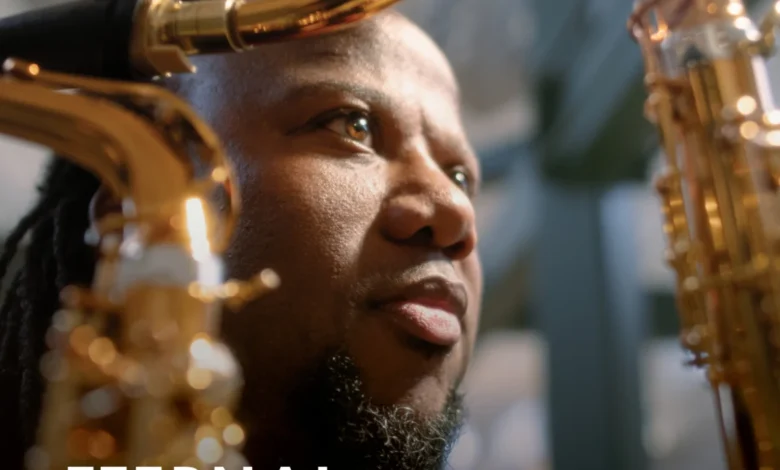
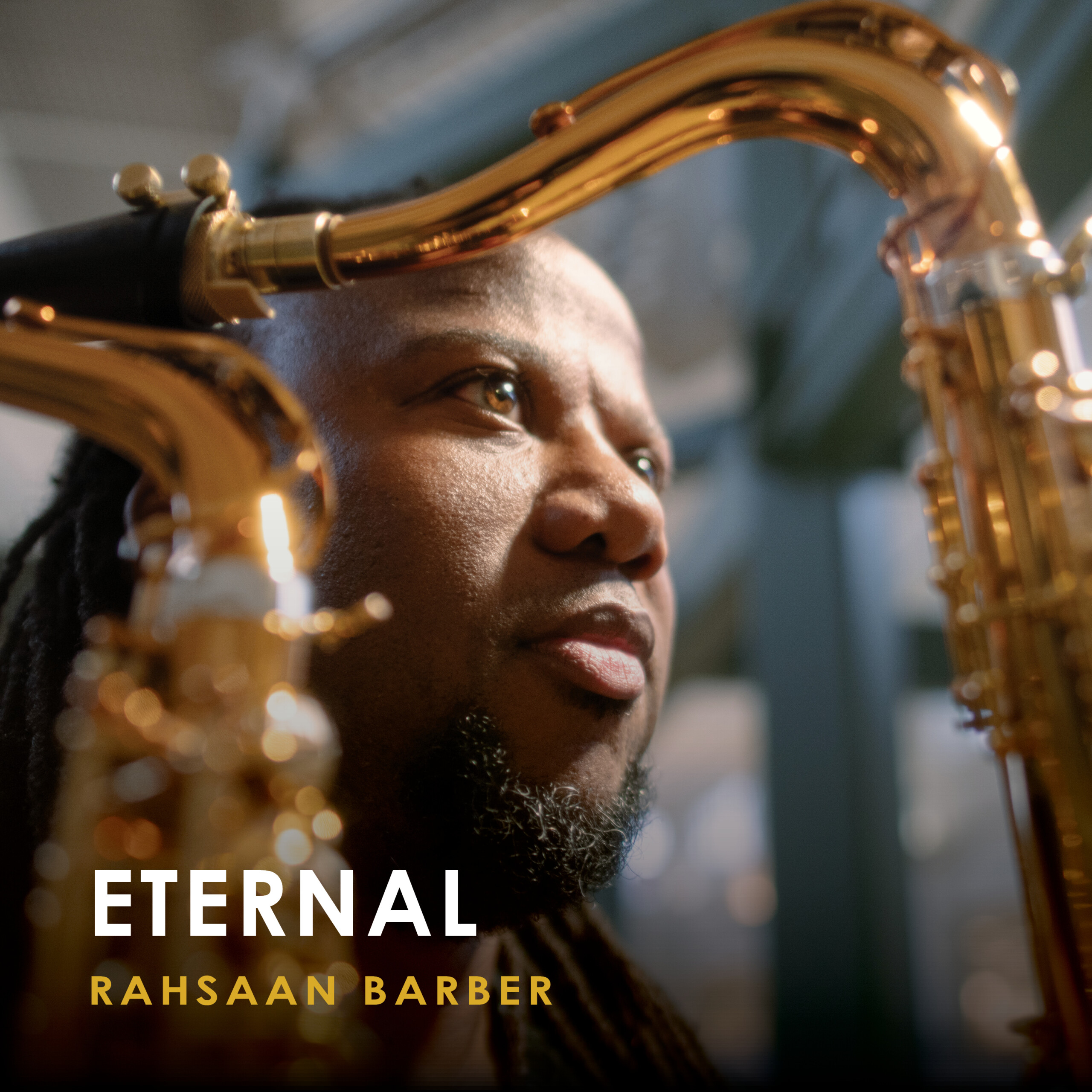
The release of the latest studio album by North Carolina-based saxophonist Rahsaan Barber, titled Eternal, serves as more than a standard entry in the modern jazz canon; it acts as a profound sonic document of human resilience. At the heart of the project is the title track, a composition that captures a singular moment of transformation, moving from a brisk, propulsive musical inquiry into a visceral exploration of loss and subsequent healing. The album, which blends technical acuity with raw emotional honesty, stands as a testament to the role of collaborative artistry in navigating life’s most difficult transitions.
The Anatomy of a Composition: Musical Dynamics and Instrumentation
The title track, "Eternal," is a masterclass in musical narrative. The piece commences with a rhythmic foundation laid by bassist Kevin Beardsley, whose opening riff provides the necessary momentum for the ensemble. As the track progresses, Barber’s saxophone, Matt Endahl’s piano, and Joshua Hunt’s drums integrate to form a driving, urgent soundscape. The addition of guitarist Ted Ludwig to the ensemble introduces a new texture, characterized by rapid, liquid lines that inject a sense of speed and technical precision into the performance.
Barber’s solo work on this track is particularly noteworthy for its departure from standard improvisational tropes. By overblowing his instrument, Barber invokes the spirits of jazz pioneers like John Coltrane and Pharoah Sanders, utilizing the saxophone not merely as a melodic tool, but as a vessel for unfiltered vocalization. This "cry from the heart" is momentarily balanced by the lighter, Latin-influenced melodic contributions from pianist Matt Endahl, before the track concludes with a haunting outro that mirrors the initial anguish of the composition.
A Chronology of Loss and Creation
The profound emotional resonance of "Eternal" is rooted in a specific, tragic sequence of events that occurred immediately prior to the recording sessions. Barber and his wife were expecting a child, for whom they had chosen the name Zora. Barber had initially titled the composition "Awaiting Zora," viewing the piece as a musical harbinger of his future as a father.
However, just days before the band was scheduled to enter the studio, the couple suffered the loss of their unborn child. This sudden shift from anticipation to mourning forced a reevaluation of the project. Rather than shelving the work or delaying the recording process, Barber opted to channel his grief into the music. This decision turned the recording booth into a space of clinical and emotional vulnerability. The resulting performance captures a man processing trauma in real-time, with the studio serving as both a place of professional production and personal sanctuary.
The Role of the Ensemble as a Support System
The success of the recording rests heavily on the chemistry of the musicians involved. In the context of jazz, the term "ensemble" often refers to technical coordination; here, it reflects a deeper, humanistic bond. Barber has acknowledged that his bandmates—Beardsley, Endahl, Hunt, and Ludwig—provided more than just musical accompaniment.
"I was just so fortunate to be surrounded by not just great musicians, but great people who could deal with someone who broke down in the sound booth as they were playing," Barber stated. The ability of the band to remain steady while the lead artist navigated an emotional collapse allowed the music to maintain its technical integrity while becoming a therapeutic outlet. Barber noted that his colleagues essentially created a "force field" around him, facilitating a performance that he described as life-affirming. This dynamic underscores the importance of interpersonal relationships within the creative process, suggesting that the quality of an artistic output is often inextricable from the environment in which it is fostered.
Contextualizing Jazz as a Vehicle for Mourning
The tradition of using jazz to process grief is well-documented in music history. From the mourning processions of New Orleans brass bands to the spiritual intensity of 1960s avant-garde jazz, the genre has long functioned as an outlet for the complexities of the human condition. By linking his personal loss to the broader legacy of the saxophone as an instrument of lamentation, Barber places Eternal within a lineage of musicians who have sought to find meaning in tragedy.
Statistically, the music industry has seen an increase in artists opting for transparency regarding their personal lives, moving away from the era of carefully curated, detached public personas. This shift reflects a wider cultural trend toward the destigmatization of mental health discussions and the acknowledgement of the "whole person" behind the performer. For listeners, this transparency often results in a more resonant listening experience, as the music becomes a point of shared human experience rather than an abstract aesthetic product.
Broader Implications for the Contemporary Jazz Scene
The release of Eternal carries significant implications for the contemporary jazz scene, particularly concerning the sustainability of the "working musician" model. In an era where digital streaming and touring logistics present significant hurdles, the ability of a cohesive ensemble to support one another through personal crises is essential for longevity. The North Carolina jazz community, of which Barber is a central figure, has increasingly gained recognition for its ability to foster high-level talent while maintaining a supportive, tight-knit culture.
Furthermore, the success of this project highlights the shift in modern production values. While high-fidelity recording is standard, there is a growing appreciation for "imperfection" when it serves the emotional truth of a performance. The fact that Barber’s breakdown in the studio was preserved rather than edited out speaks to a commitment to authenticity that is currently driving a resurgence in interest for live-to-tape, raw, and unvarnished recordings.
Analysis of the "Eternal" Legacy
As a body of work, Eternal is likely to be viewed as a milestone in Barber’s career. It marks a transition from technical proficiency to a higher degree of emotional storytelling. While the technical elements of the music—the rapid guitar runs, the Latin-tinged piano motifs, and the driving percussion—provide a sophisticated framework, it is the underlying narrative of the title track that provides the album with its gravity.
The broader implications for the audience are clear: music remains one of the most effective tools for processing the ineffable. By documenting the pain of losing a child and the subsequent attempt to find a "force field" of support, Barber has created a piece of music that functions as a bridge between his private experience and the collective public consciousness.
Conclusion: A Path Forward
The narrative surrounding the creation of Eternal is one of resilience. It suggests that even in the face of profound personal loss, the creative act can serve as a vital mechanism for survival. As the music community continues to evolve, the emphasis on empathy and humanity within the recording process remains a cornerstone of lasting art. For Rahsaan Barber, the recording of this album was not merely a professional milestone; it was an act of survival, a way to wail to the heavens for answers, and, ultimately, a way to find a semblance of peace in the wake of an unendurable loss.
The legacy of the album will likely continue to grow as listeners connect with the raw sincerity of the performances. In a world that often demands perfection, the willingness to be vulnerable—to "break down in the sound booth"—may well be the most powerful statement a musician can make. Through Eternal, Barber has invited his audience into that space of vulnerability, turning his individual grief into a shared, universal exploration of what it means to heal.