Native Instruments Massive XL Arrives as a Refined Evolution of Wavetable Synthesis

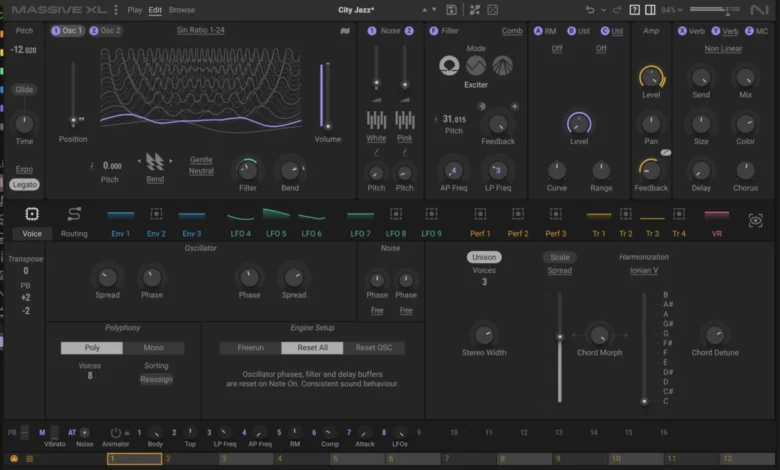
Native Instruments has officially unveiled Massive XL, the latest iteration in its long-standing series of wavetable synthesizers. Released to the public this month, the software arrives as a significant update to the architecture of its predecessor, Massive X, and positions itself as a streamlined, discovery-oriented tool for modern sound designers. Priced at $99 during its introductory window, which remains active through January 3, the plugin represents a strategic pivot for the Berlin-based company toward usability and expressive performance capabilities.
A Chronology of the Massive Legacy
The history of Native Instruments’ wavetable synthesizers is marked by a series of industry-defining milestones. The original Massive, released in 2006, is widely credited with helping to define the sound of dubstep, electro-house, and mid-2000s electronic music. Its drag-and-drop modulation system became a gold standard for virtual instruments, effectively changing how producers interacted with complex routing.
In 2019, Native Instruments released Massive X. While technically advanced and capable of intricate, semi-modular sound design, the synth arrived in a crowded market. By the time of its launch, the software synthesizer landscape had shifted significantly. Competitors such as Xfer Records’ Serum, U-he’s Zebra, and later, Arturia’s Pigments and Bitwig’s internal modulation systems, had captured the attention of sound designers. Massive X was perceived by many users as a sprawling, highly technical instrument that lacked the intuitive, "grab-and-go" immediacy that made the original Massive a ubiquitous studio staple.
Massive XL appears to be the company’s direct response to this feedback. By shifting the focus from sheer complexity to "discoverable" sound design, the developers are attempting to bridge the gap between the power of Massive X and the user-friendly interface that characterized the 2006 original.
Core Technical Advancements
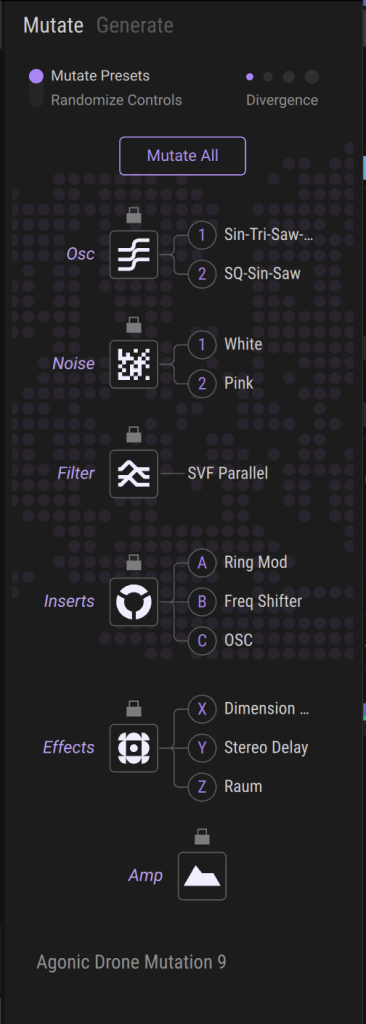
Massive XL introduces several functional features designed to accelerate the creative process. Perhaps the most notable addition is the module-specific "Mutator," a feature that allows users to randomize parameters within specific sections of the synth rather than across the entire patch. This guided, similarity-aware mutation mimics the workflow found in some of the most innovative software of the past few years, such as Sonic Charge’s Synplant 2.
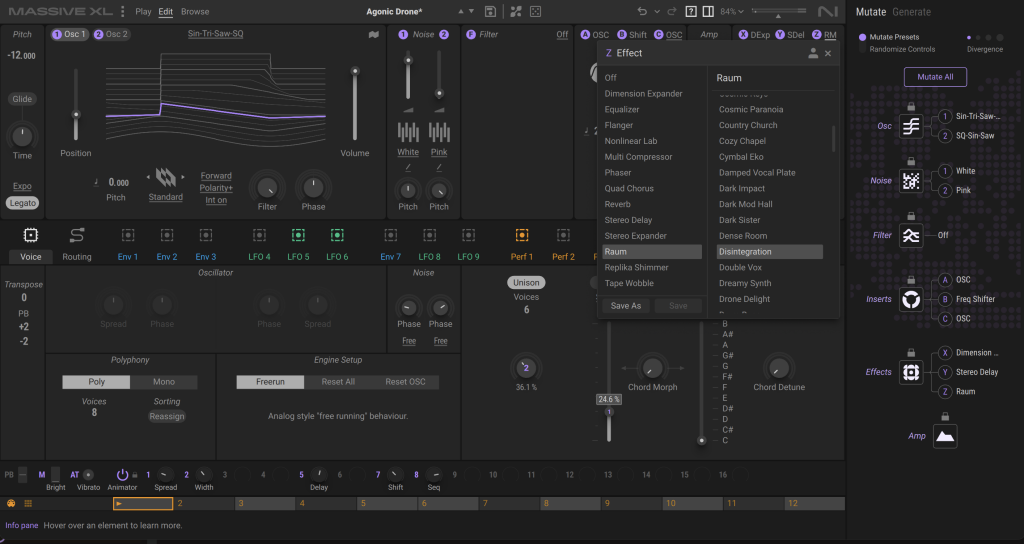
The inclusion of a dedicated preset generator marks a further shift toward AI-assisted sound design. By allowing the software to analyze audio references and generate patches based on those inputs, Native Instruments is aligning with current industry trends regarding machine learning in music production.
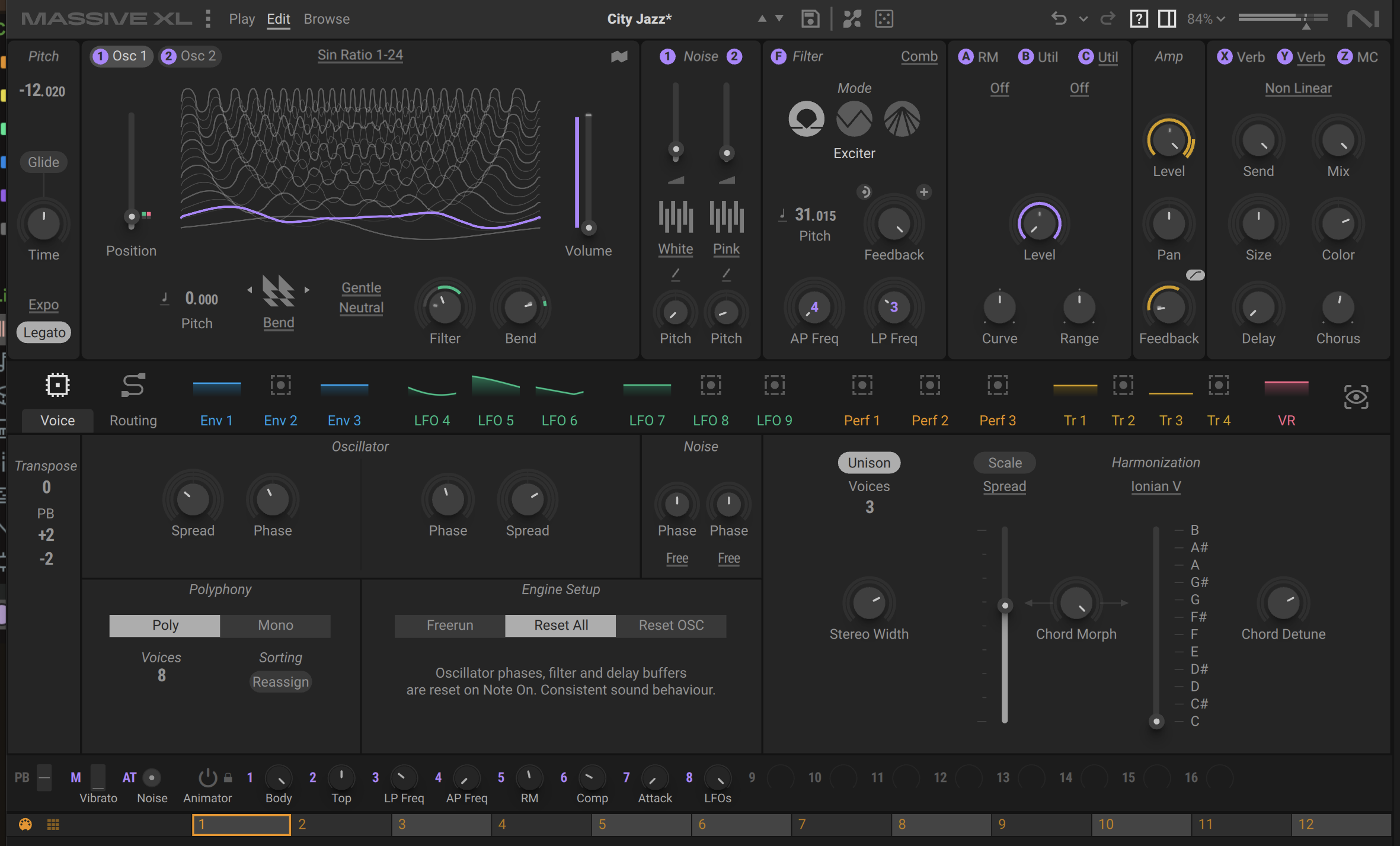
Furthermore, the interface has undergone a comprehensive redesign. The "XL" designation reflects a focus on visual feedback, with improved X/Y morphing pads and animation tools that allow for more fluid, evolving soundscapes. The synth also incorporates features from other legacy Native Instruments products, including elements from the PPG wave synthesis tradition and refined effects from the company’s "Raum" reverb series.
Expressivity and Performance
One of the most significant technical updates in Massive XL is its native support for polyphonic aftertouch. As hardware controllers increasingly adopt MPE (MIDI Polyphonic Expression) and high-resolution pressure sensitivity, the demand for software that can translate this physical input into timbral shifts has grown.
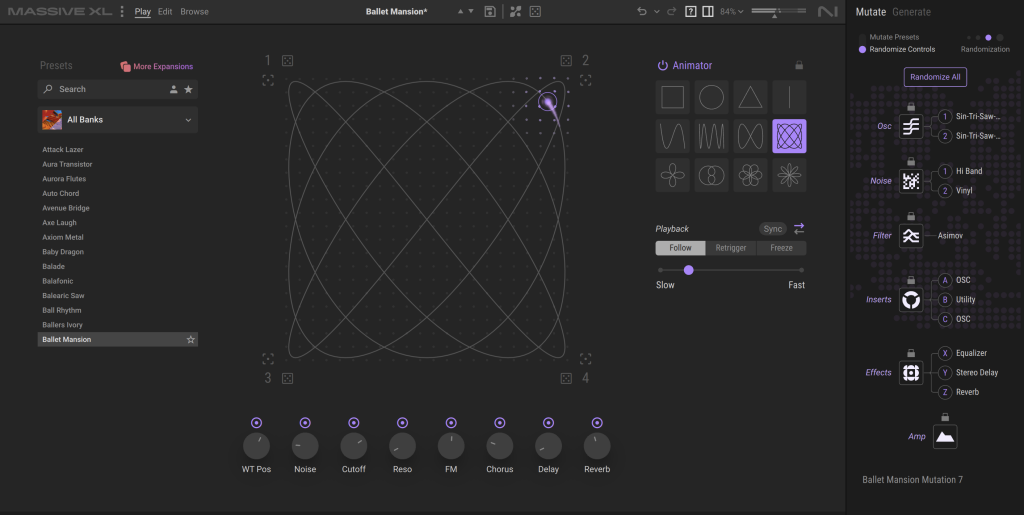
By integrating polyphonic aftertouch directly into the modulation matrix, Native Instruments allows performers to modulate individual notes within a chord, rather than applying a global effect to all voices. This capability is expected to appeal to both live performers and studio producers who rely on dynamic, expressive performances to breathe life into static wavetable textures.
Broader Implications for the Software Market
The release of Massive XL occurs in a climate where music production software is increasingly focused on "creative roadblocks" and "workflow efficiency." The industry has moved away from the "more is more" philosophy of the 2010s toward tools that offer rapid iteration.
Industry analysts observe that Native Instruments faces a unique challenge: maintaining the professional-grade technical depth required by sound designers while simultaneously attracting a new generation of producers who prefer streamlined interfaces. The $99 introductory price point is a competitive move, particularly given the current saturation of the soft-synth market. By positioning Massive XL as an accessible, high-performance evolution, the company is likely attempting to recapture market share from rising competitors like Surge XT and Pigments.
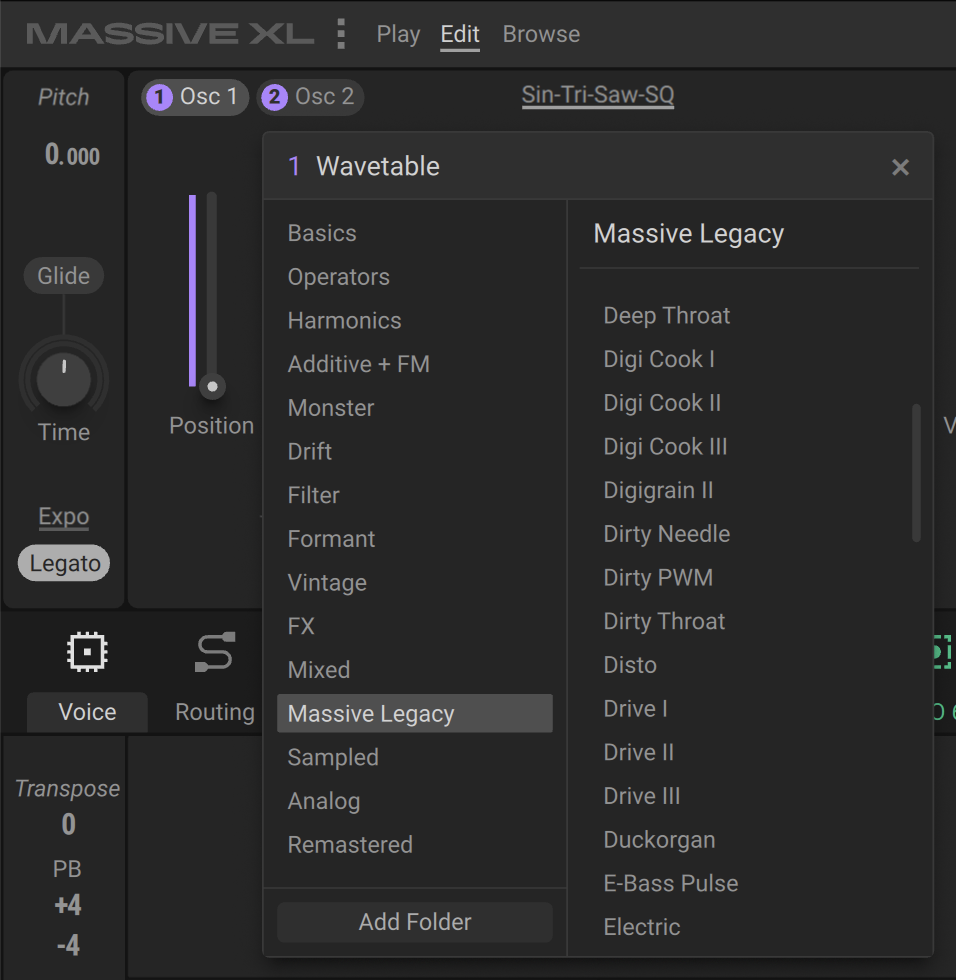
The integration of legacy "goodies" from the original Massive suggests that the company is leaning into its own heritage to build trust with long-time users. By acknowledging the "ghosts" of its past successes—specifically the original Massive—Native Instruments is signaling a return to the design principles that prioritized the user’s relationship with the interface.
Analysis of the "XL" Philosophy
The transition from Massive X to Massive XL can be framed as a case study in product lifecycle management. When a software company releases a flagship product that is technically superior but functionally daunting, the subsequent iteration often focuses on "humanizing" the technology.
The "XL" designation is not merely a marketing term; it reflects a functional consolidation. By making modulation assignment, sidechain routing, and macro-control more visual, the synth reduces the cognitive load on the user. In a modern production environment where users are often juggling multiple plugins, the ability to achieve a desired sound without spending hours on deep-menu diving is a significant value proposition.
Technical Specifications and Compatibility
Massive XL supports standard VST, AU, and AAX formats, ensuring compatibility across all major digital audio workstations (DAWs) including Ableton Live, Logic Pro, FL Studio, and Cubase. The plugin is optimized for both macOS and Windows architectures, reflecting the cross-platform nature of the contemporary production community.
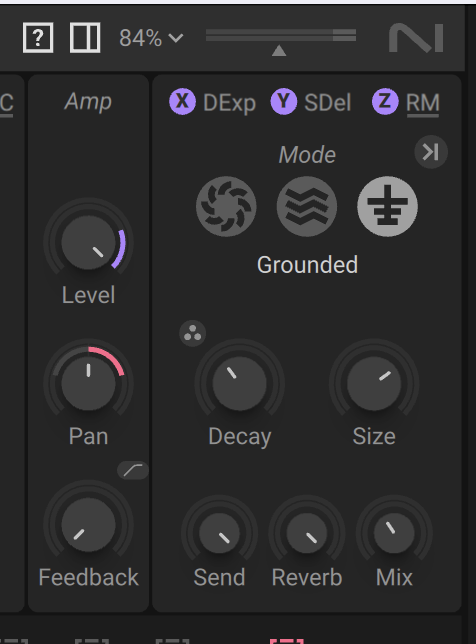
The inclusion of the "Raum" effects suite is a notable highlight. Raum, known for its high-fidelity algorithmic reverbs, provides a significant sonic upgrade over the standard internal effects found in previous iterations of Massive. By bringing this level of professional-grade processing into the synth, Native Instruments reduces the need for external signal chains, allowing for more efficient CPU usage during complex sound design sessions.
Conclusion and Future Outlook
The release of Massive XL serves as a reminder of the enduring relevance of wavetable synthesis. While the technology itself is decades old, the methods of modulation and user interaction continue to evolve. Native Instruments has, through this update, demonstrated an awareness of the current market requirement for both power and playability.
Whether Massive XL will achieve the same cultural ubiquity as the original 2006 version remains to be seen. However, the early reception from the sound design community suggests that the focus on "guided mutation" and improved ergonomics is a welcome development. As the software enters its full release phase, the success of the plugin will likely depend on how effectively it integrates into the workflows of producers who have grown accustomed to the agility of competing products.
For current owners of the Native Instruments ecosystem, the update offers a compelling reason to revisit the Massive architecture. For new users, the introductory pricing offers a low-barrier entry into one of the most storied instrument lines in the history of music technology. With the promotion ending in early January, the coming months will likely see a significant influx of user-generated content and third-party sound banks, which will ultimately dictate the long-term impact of Massive XL on the contemporary soundscape.