Album Review: Kaitlin Butts Brings Unapologetic Traditional Authenticity to Republic Records Debut Hello, Honky Tonk

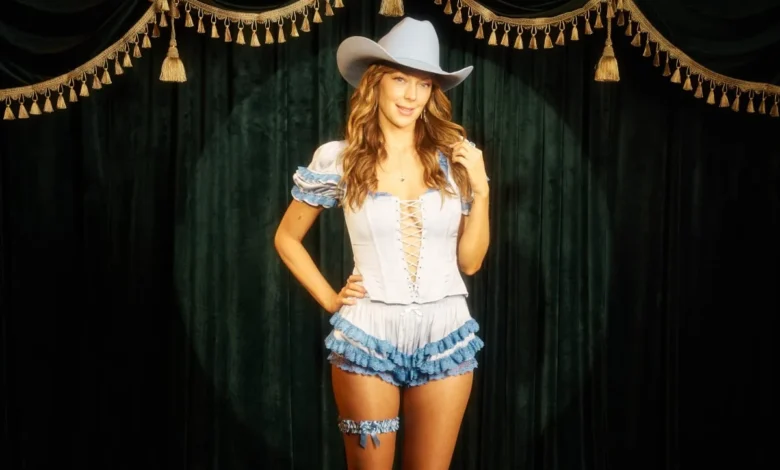
The current renaissance of traditional country music has successfully propelled artists like Zach Top and Ella Langley into mainstream consciousness, shattering commercial barriers and redefining what modern radio and streaming audiences expect from the genre. However, industry observers frequently note that true cultural shifts require sustainable momentum that extends downward to long-standing road-tested artists who have paid their dues. Enter Kaitlin Butts, a seasoned independent force who has spent years carving out a distinct niche in the Texas and red dirt scenes. With the release of her major-label debut, Hello, Honky Tonk, via Republic Records, Butts arrives at the intersection of critical acclaim and broader commercial viability. Rather than chasing a calculated pop-country crossover, the 14-track project doubles down on uncompromised traditional instrumentation, sharply drawn character studies, and unfiltered vulnerability, earning a stellar 8.3/10 rating from industry critics.
Main Facts and Album Overview
Hello, Honky Tonk serves as an immersive thematic exploration of the personalities, heartbreaks, and dive-bar denizens one encounters beneath neon lights and wood-paneled walls. Far from being a sanitized introduction to a major-label audience, the record relies on confident, full-bodied vocal deliveries and top-tier songwriting collaborations. Butts enlisted some of Nashville’s most respected writers—including Natalie Hemby, Lori McKenna, Jon Randall, Shane McAnally, and Tofer Brown—to craft an album that balances lyrical accessibility with narrative depth.
The project avoids the pitfalls of modern hyper-production, favoring instead a roots-forward sonic blueprint anchored by traditional instruments, notably the evocative steel guitar work of Russ Pahl. Across its fourteen tracks, the album paints a vivid portrait of womanhood that rejects submissive tropes, embracing characters who are simultaneously strong, fiercely independent, fallible, and deeply relatable.
Chronology and Background to the Release
Kaitlin Butts’ path to her Republic Records debut has been defined by steady artistic evolution rather than overnight viral success. Long before securing a major-label home, Butts built a dedicated following through rigorous touring schedules, critically praised independent releases, and sharp songwriting that frequently blended dark humor with traditional honky-tonk motifs.
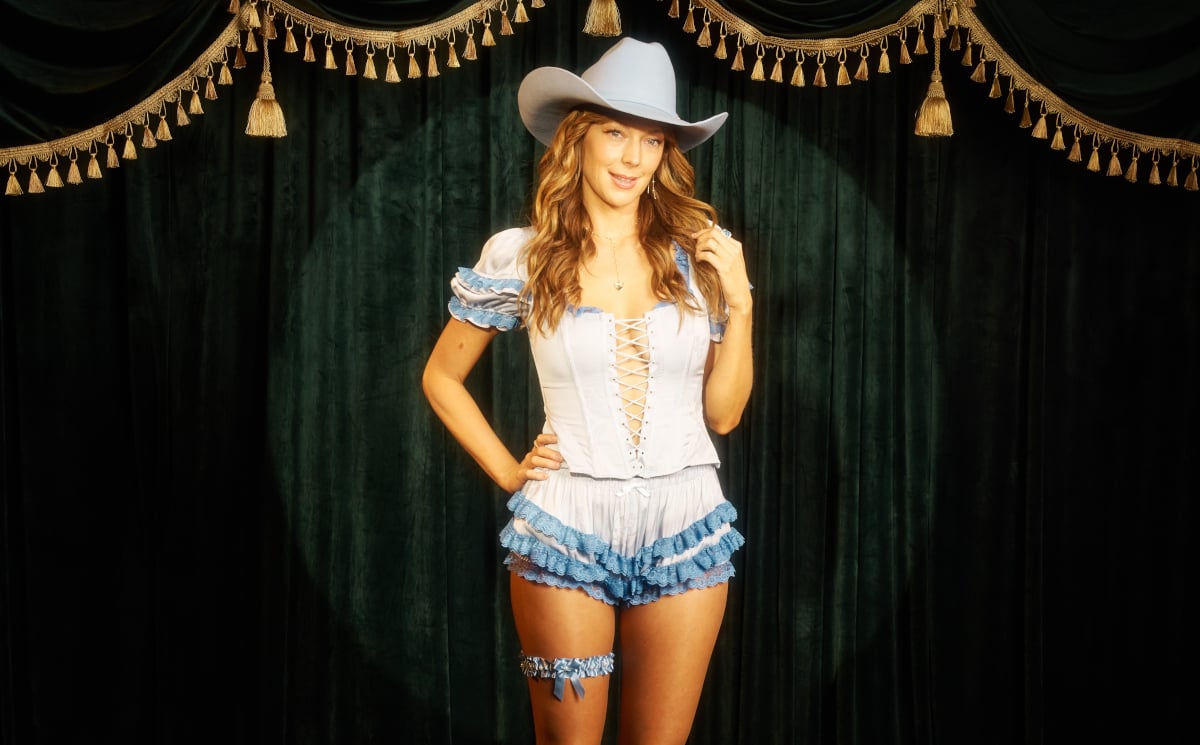
Her visibility expanded significantly through high-profile cross-collaborations and independent singles, as well as notable cultural touchstones within the Texas music community—such as drawing inspiration for tracks directly from festival interactions at events like the Two Step Inn. Over the years, she established herself not merely as an acclaimed independent artist, but as a vital anchor in the broader Texas-to-Nashville pipeline. The transition to Republic Records represents a pivotal milestone in a career built on persistence, establishing a bridge between independent roots authenticity and major-label infrastructure.
Track-by-Track Breakdown
The album’s narrative structure is carefully sequenced, beginning with a spoken-word introduction narrated by contemporary country star Lainey Wilson on Introducing: Hello Honky Tonk, which immediately establishes the vivid sonic landscape of a local watering hole.
Tracks like I Wanna Be Bad (co-written with Natalie Hemby) and I Make Cowboys Cry (co-written with Shane McAnally) inject rowdy, high-energy bravado into the record. The former channels a rebellious, foot-stomping spirit reminiscent of classic outlaw anthems, while the latter boasts an infectious rhythmic pentameter designed for immediate audience engagement.
Conversely, narrative-driven tracks like The Bartender and That Makes One Of Us (co-written with Lori McKenna) showcase Butts’ profound ability to spin barstool observations into fresh, poignant storytelling. The waltz-time tempo of the latter highlights the emotional vulnerability woven throughout the project.
Vocal prowess takes center stage on Never Really Mine—inspired by festival interactions—and Hell I Don’t Know, an intimate, acoustic-driven track featuring striking lyrical imagery ("Do tornadoes have a quota, do they just hate Oklahoma?"). Meanwhile, songs like The Joker and Crazy I Can Be lean into the archetype of the disillusioned or unapologetic female protagonist, occasionally challenging listeners with raw cynicism regarding modern romance.
The album achieves its most poignant emotional depth on What More Could You Want, a piano ballad that directly addresses the exhausting demands placed on modern musicians, who are increasingly pressured to function simultaneously as songwriters, live performers, cultural commentators, and digital content creators. Closing with the reflective waltz Midnight I’ll Always Be Yours, the album circles back to its core theme: the persistent human endeavor to numb loneliness and mend broken hearts within the timeless atmosphere of a local dive bar.
Supporting Data and Industry Context
The commercial landscape of country music in the mid-2020s has demonstrated a clear consumer appetite for authentic instrumentation and traditional lyricism. Streaming data across platforms indicates significant growth in subgenres cataloged under traditional and regional country umbrellas. Artists who maintain strict adherence to classic instrumentation—such as fiddle, pedal steel, and acoustic-heavy arrangements—are increasingly outperforming slickly produced crossover attempts.
Kaitlin Butts’ alignment with Republic Records signifies a strategic industry acknowledgment that traditional artistry can thrive under a major-label umbrella without sacrificing sonic integrity. The involvement of elite Nashville tunesmiths like Natalie Hemby and Lori McKenna further underscores the industry’s recognition of Butts’ credibility as a premier vocal and lyrical interpreter.
Broader Impact and Market Implications
The release of Hello, Honky Tonk carries broader implications for the contemporary country music ecosystem, particularly regarding gender parity and industry recognition. For years, female artists in country music have faced systemic hurdles in securing major-label backing while maintaining creative control over traditional sounds. By stepping into this major-label chapter with her artistic identity intact, Butts sets a vital precedent for contemporaries who have paid their dues in the independent touring circuit.
Furthermore, the album addresses the modern socio-cultural pressures confronting artists in the digital age. By translating the exhaustion of constant public engagement into universally resonant art, Butts elevates the record from a standard collection of honky-tonk songs into a relevant commentary on the state of modern entertainment. As Hello, Honky Tonk circulates through streaming networks and physical formats, its ultimate success will serve as a bellwether for whether major labels will continue to invest in uncompromising, traditional storytelling from seasoned independent artists ready for mainstream amplification.
Related posts: