From Boy Named Banjo to Breakfield: A Strategic Rebrand and the Evolution of Modern Americana

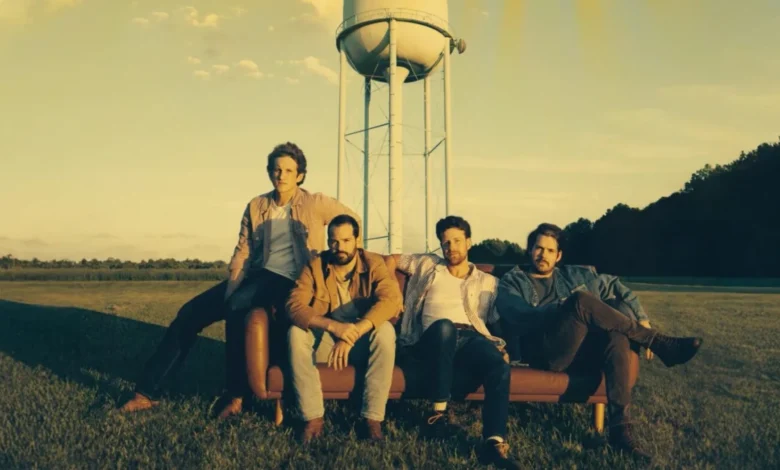
The music industry is an environment where brand identity often dictates a group’s commercial ceiling and audience perception. For fifteen years, the Nashville-based quartet known as Boy Named Banjo built a reputation as one of the most promising acts in the intersection of bluegrass and contemporary roots music. However, in a move that underscores the evolving nature of their sound and artistic ambition, the group recently completed a comprehensive rebranding, emerging as Breakfield. This transition, punctuated by the release of their self-titled album under Rounder Records, represents more than a simple name change; it is a calculated effort to align their public identity with a sonic profile that has expanded far beyond their initial bluegrass origins.
The Foundations of the Rebrand
The decision to move away from the name Boy Named Banjo was not made lightly. Formed by childhood friends, the band spent over a decade cultivating a loyal following. The original name, while memorable, increasingly felt like a stylistic constraint as the band’s music shifted toward a broader Americana and rock-influenced sound. In the competitive Nashville landscape, a name featuring a specific instrument can inadvertently pigeonhole an artist into a niche genre, potentially limiting opportunities for mainstream radio play or festival bookings outside of specialized circuits.
The choice of the name Breakfield is deeply rooted in the band’s shared history. It refers to Breakfield Road, a country thoroughfare in Sewanee, Tennessee. This location holds significant weight for the band members, as it was during their college years in Sewanee that they transitioned from a casual hobby into a professional unit. By selecting a name tied to their formative years, the quartet—comprised of Barton Davies, Ford Garrard, William Reames, and Sam McCullough—seeks to maintain a tether to their past while providing themselves the creative "break" needed to explore new musical territories.
A Chronological Transition
The transition from Boy Named Banjo to Breakfield followed a strategic rollout designed to mitigate the risks associated with losing brand equity. The timeline of this evolution highlights a deliberate pace:
- The Decision Phase (Late 2023): Approximately one year ago, the band finalized the decision to rebrand. This period involved internal discussions regarding the limitations of their existing name and the vision for their upcoming studio work.
- The Initial Tease (October 2023): The band released their first single, "Canyon Walls," under the new moniker. This served as the public introduction to the Breakfield era, testing the waters with long-time listeners.
- The Single Rollout (Winter 2023 – Spring 2024): To build momentum and SEO (Search Engine Optimization) presence for the new name, the band released a series of singles. This strategy allowed digital streaming platforms to associate the new name with the band’s established listener profile.
- The Album Launch (Late 2024): The culmination of the rebrand arrived with the release of the self-titled album, Breakfield. This 11-track project serves as the definitive statement of the band’s new identity.
Strategic Production and Collaborative Depth
To ensure the success of the rebrand, the band prioritized high-level production values. They enlisted Sadler Vaden to produce the record. Vaden is a highly respected figure in the Americana scene, best known as the lead guitarist for Jason Isbell and the 400 Unit. His production credits, which include work for rising stars like Morgan Wade and Drayton Farley, brought a seasoned, rock-inflected perspective to Breakfield’s sound.
Under Vaden’s guidance, the band’s instrumentation moved toward a more layered, atmospheric approach. While Barton Davies’ banjo remains a component of the sound, it is no longer the sole defining characteristic. Instead, it is integrated into a broader tapestry of electric guitars, harmonica, and a robust rhythm section.
The songwriting on Breakfield also reflects a collaborative maturity. While core members William Reames and Barton Davies are the primary architects of the lyrics and melodies, the album features contributions from some of Nashville’s most respected contemporary songwriters. Co-writers such as Katie Pruitt, Ben Chapman, and Meg McRee added diverse perspectives to the project, helping to craft songs that explore themes of professional uncertainty, the passage of time, and the pursuit of artistic authenticity.
Comparative Industry Trends
Breakfield’s rebranding is part of a larger trend within the independent and Americana music scenes. Several established acts have recently undergone similar transformations to better reflect their musical maturity or to escape the perceived limitations of their original names.
- Southall (formerly Read Southall Band): This group shortened their name to emphasize a collective identity rather than focusing on a single frontman. The change coincided with a shift toward a heavier, more experimental rock sound.
- Silverada (formerly Mike and the Moonpies): Perhaps the most high-profile recent example, Silverada rebranded to move away from a name that some members felt sounded like a "novelty act." Like Breakfield, they followed the name change with a critically acclaimed self-titled record that solidified their standing in the Texas country and Americana scenes.
These examples suggest that while rebranding is a gamble, it can be highly effective if the quality of the output justifies the change. In the case of Breakfield, the strength of the new material appears to have largely silenced initial skepticism from the fanbase.
Analyzing the New Sound: Track Highlights
The self-titled record serves as an auditory thesis for the rebrand. Several tracks stand out as indicators of the band’s new direction:
- "Rivers Run": This track showcases the band’s ability to blend folk-inspired melodies with a driving, modern rhythm. It emphasizes the "restless nature" of a career in music, a recurring theme throughout the album.
- "Darker Out Tonight": A more atmospheric and moody piece, this song highlights the production influence of Sadler Vaden. The use of space and dynamics marks a significant departure from the high-energy, "stomp-and-holler" bluegrass style often associated with the band’s early years.
- "Live by Me": This track leans into the band’s harmonic strengths, featuring the tight vocal interplay between Reames and Davies that has been a hallmark of their chemistry since childhood.
- "Who Am I": An introspective look at identity, this song serves as a meta-commentary on the rebranding process itself. It explores the vulnerability inherent in starting over and the search for a true sense of self in a demanding industry.
Broader Implications for the Americana Genre
The emergence of Breakfield highlights a broader shift in the Americana genre. As the lines between bluegrass, country, and indie rock continue to blur, artists are increasingly resistant to labels that might restrict their creative output. The move from Boy Named Banjo to Breakfield signifies a desire for "genre-fluidity."
From a business perspective, the rebrand allows the band to refresh their marketing strategy. A new name provides a "hook" for music journalists and playlist curators, offering a fresh narrative for a band that has already been active for 15 years. It also allows for a visual overhaul, including new logos, merchandise, and stage design, all of which contribute to a modernized brand image.
However, the success of such a move ultimately depends on the music. For Breakfield, the inclusion of 11 tracks that demonstrate technical proficiency and emotional depth suggests that the gamble was well-timed. By leaning into their Sewanee roots while embracing a more sophisticated production style, the band has positioned themselves to reach a wider audience without alienating the core followers who have supported them since their inception.
Future Outlook
As Breakfield embarks on their first major tour under the new name, the industry will be watching closely to see how the rebrand translates to ticket sales and streaming growth. The initial reception of the self-titled album indicates that the band has successfully navigated the most difficult phase of the transition.
With the backing of Rounder Records—a label with a storied history of supporting artists who push the boundaries of roots music—Breakfield is well-positioned for long-term sustainability. Their story serves as a case study in how established acts can evolve in real-time, proving that in the modern music industry, the name on the marquee is secondary to the quality of the art produced under it. The quartet has effectively closed the chapter on Boy Named Banjo, not by discarding their past, but by using it as a foundation for a more expansive and authentic future.
Related posts: