Jesse Daniel Confronts Vulnerability and Industry Realities on His Somber New Album, Looks Like Rain

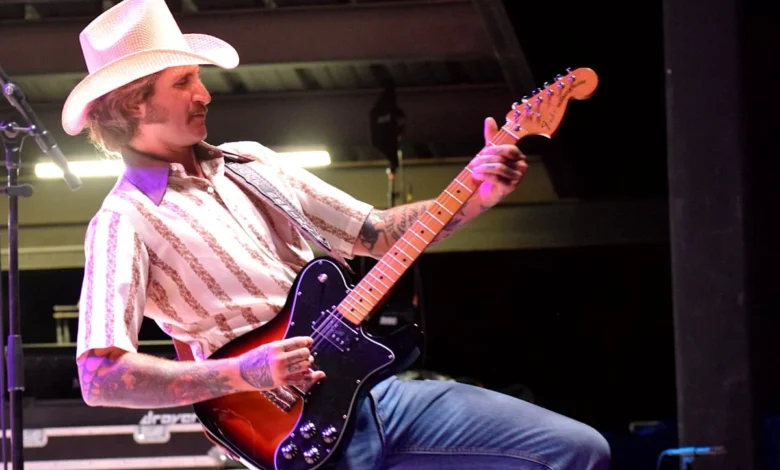
The modern independent country music landscape has long relied on the steadfast dedication of artists who built their audiences from the ground up, navigating the treacherous waters of underground circuits long before the genre experienced its recent mainstream commercial renaissance. Among these foundational figures is Jesse Daniel, a singer-songwriter whose career has been defined by uncompromising traditional country instrumentation, tales of personal redemption, and the driving rhythms of the Bakersfield sound. With the release of his latest album, Looks Like Rain, Daniel steps away from the upbeat honky-tonk anthems that cemented his early reputation, offering listeners a deeply introspective, somber, and restrained collection of songs that examine personal grief, geographic displacement, and the exhausting realities of the modern touring musician.
Recorded during the same prolific sessions that yielded his 2025 release, Son of the San Lorenzo, Looks Like Rain captures a distinctly darker side of Daniel’s artistic output. Rather than chasing the commercial highs of high-energy boot-scooting numbers like his past cult hits “Soft Spot (For the Hard Stuff),” “Rollin’ On,” and “Think I’ll Stay,” Daniel deliberately shifted his focus inward. The resulting record presents a mature songwriter grappling with existential questions about his career, his physical home, and the emotional toll of life on the road, marking a significant artistic pivot nearly a decade into his recording career.
A Decade of Resilience and the Evolution of a Bakersfield Revivalist
Jesse Daniel’s entry into the professional country music sphere in 2018 was heralded by an inspiring personal narrative. Emerging from California’s San Lorenzo Valley, Daniel utilized the creation and performance of traditional country music as an active avenue for rehabilitation, overcoming severe struggles with substance abuse and personal hardship. His self-titled 2018 debut introduced a compelling new voice to a genre desperately seeking authenticity, quickly establishing him as a torchbearer for the classic West Coast honky-tonk tradition.
Over the subsequent years, Daniel built a dedicated following through relentless touring and critically acclaimed releases. When the broader cultural tide shifted toward independent roots music—spurred by breakout commercial successes from artists like Zach Bryan and Zach Top—pioneers like Daniel occupied a unique position. While independent artists finally gained unprecedented visibility, many foundational acts discovered that the economic realities of the industry had simultaneously grown more hostile. Spiking touring costs, shrinking venue availability, and the fierce financial pressures of maintaining a full-time touring band have forced even established independent artists to reevaluate the long-term viability of their careers.
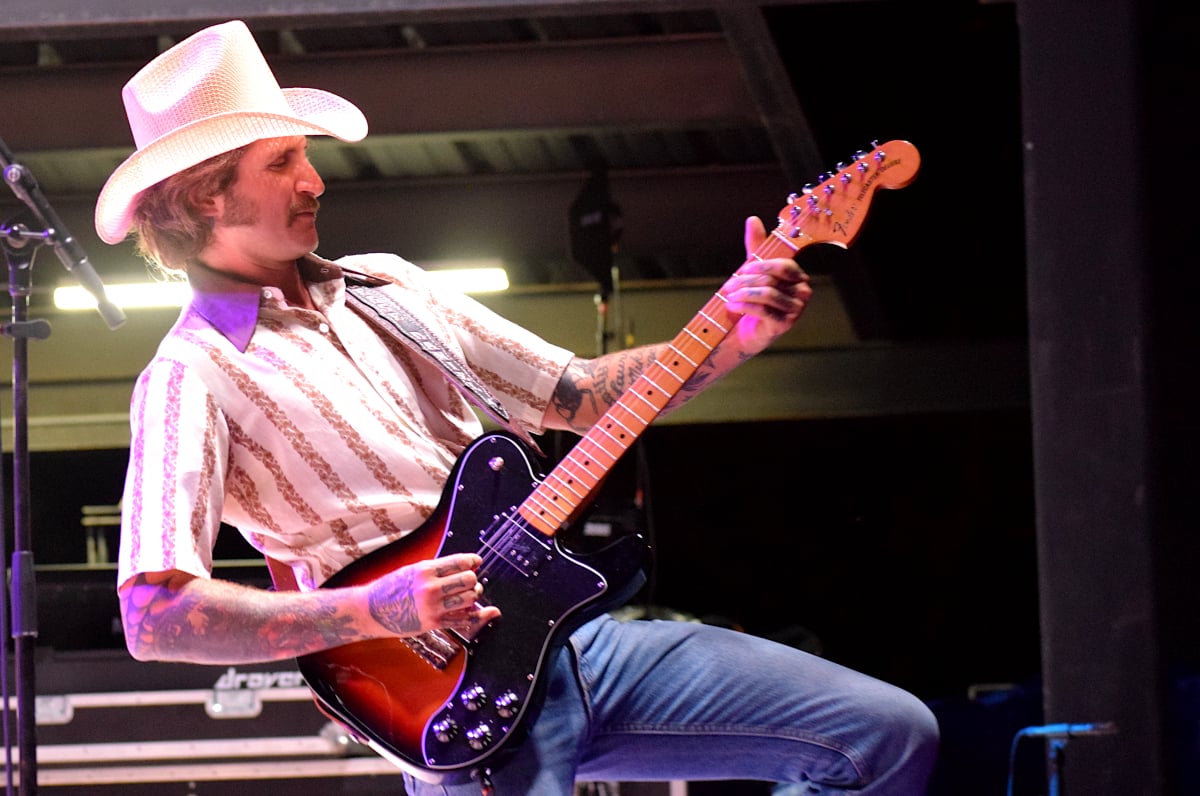
This tension between artistic dedication and systemic economic pressure permeates Looks Like Rain. Despite his deep pride in his Northern California roots—frequently celebrated in his songwriting—Daniel previously relocated just south of Austin, Texas, believing the region would serve as a more sustainable logistical base for a burgeoning country music career. However, as articulated in the poignant album track “I Don’t Belong,” the geographic relocation failed to provide a sense of permanent home. Feeling like an outsider regardless of his surroundings, Daniel ultimately made the decision to relocate back to California, a homecoming that deeply influences the reflective tone of his latest material.
Musical Craftsmanship and Collaborative Studio Chemistry
While the lyrical themes of Looks Like Rain lean toward the melancholic and introspective, the musical accompaniment remains anchored in high-caliber traditional instrumentation. Daniel handled production duties for the project, working alongside renowned producer and engineer Andrija Tokic to craft a spacious, organic sonic landscape. Though Daniel has characterized the record as "stripped down," the album features masterclass performances from some of the most respected instrumentalists in traditional and roots music.
The lineup boasts contributions from steel guitarist Caleb Melo, whose melancholic bends drive the emotional weight of tracks like “Deep Dark Tears”—a heart-wrenching song widely interpreted as a tribute to the loss of a beloved pet. The recordings are further enriched by the legendary fiddle work of Billy Contreras and the unmistakable harmonica stylings of Nashville icon Charlie McCoy.
Far from minimalist to a fault, the album balances moments of sparse acoustic reflection with tastefully arranged instrumentation. Tracks like “Our Love Is Gonna Pull Us Through” provide a modest injection of rhythmic warmth, while closing numbers such as “Desiree”—a complex narrative exploring hidden desires—demonstrate Daniel’s growing sophistication as a lyricist. Notably, the album’s opening title track, “Looks Like Rain,” originally served as the closing track on Daniel’s 2018 debut. By recontextualizing the song to open this somber collection, Daniel establishes a direct thematic bridge between his earliest days of recovery and his current artistic maturation, though the inclusion of previously recorded material leaves the new project with a lean total of seven brand-new compositions.
Critical Reception and the Search for Crossover Accessibility
In evaluating Looks Like Rain within the broader context of contemporary country music, critics have noted the absence of an obvious, high-tempo lead single designed to attract casual listeners or drive streaming algorithms. Unlike previous records that featured immediate, danceable crowd-pleasers, Looks Like Rain demands patient, active listening. While Daniel’s lyricism may not yet mirror the literary heights of venerated Texas songwriters like Townes Van Zandt or Jason Isbell, his raw honesty compensates for any poetic limitations.

The album’s tracklist addresses heavy emotional territory with unflinching transparency. “Always Labor Day,” for instance, is a devastating meditation on the untimely passing of a friend. The song explores the agonizing guilt left behind in the wake of sudden loss, forcing the listener to confront the quiet signs missed during the relentless pursuit of daily survival within the standard forty-hour work week.
These thematic explorations underscore a broader existential questioning for Daniel himself. Approaching a decade in the public eye, the artist is visibly weighing the personal sacrifices required to sustain a traditional touring career. The endless miles spent in a van, the deferment of family milestones, and the persistent instability of the independent touring market form the silent backdrop against which these songs were written.
Broader Industry Implications and Future Outlook
The release of Looks Like Rain serves as a microcosm of the challenges facing the middle tier of independent American roots musicians in the mid-2020s. As major labels increasingly court sanitized versions of "independent" aesthetics while grassroots touring infrastructure strains under post-pandemic inflation and rising transportation overhead, artists of Daniel’s stature are forced to ponder sustainable career trajectories.
Rather than offering neatly packaged resolutions, Daniel uses Looks Like Rain as a public workspace for self-doubt, vulnerability, and artistic re-evaluation. Having successfully conquered addiction and personal demons through the healing power of country music earlier in his life, Daniel now faces a different kind of crossroads.
Whether Looks Like Rain represents a permanent stylistic shift toward a more introspective, singer-songwriter-driven identity or simply functions as a necessary psychological catharsis before a return to honky-tonk tradition remains to be seen. What is clear, however, is that Jesse Daniel has chosen creative integrity over commercial comfort. By staring unflinchingly into the structural and personal teeth of an unforgiving industry, he has delivered a courageous record that cements his status not just as a revivalist of old sounds, but as a vital, evolving voice in modern American music.