Amsterdam Dance Event revokes official affiliation with promoters following controversy over Shlomo booking

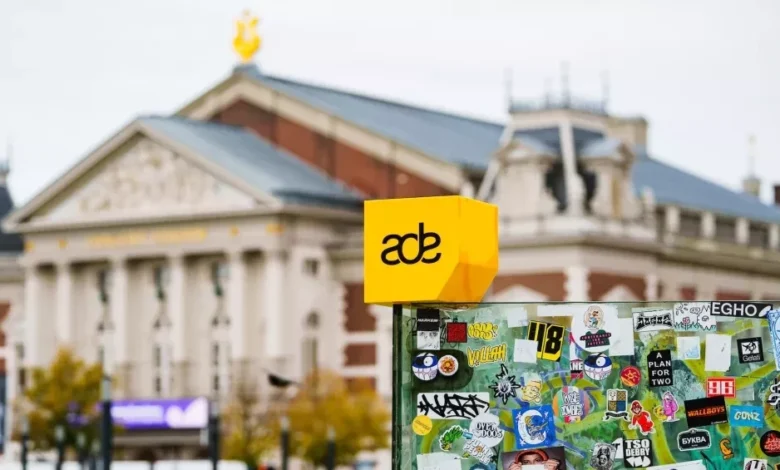
The Amsterdam Dance Event (ADE), the world’s most significant electronic music summit and festival, has taken the decisive step of severing ties with two hard techno promotion outfits, Komplott and Overgave. The move comes in response to the promoters’ decision to feature French DJ Shlomo—legally known as Shaun Baron-Carvais—as the headliner for an event scheduled during the conference’s high-profile October window. The controversy has ignited a wider conversation regarding the accountability of event organizers in the wake of serious criminal allegations brought against high-profile artists within the international nightlife circuit.
The event, which was slated to take place at the Panama venue on Wednesday, October 21, became the center of a localized industry boycott after several supporting acts on the lineup withdrew their participation in protest of Baron-Carvais’ inclusion. In June of this year, a formal criminal complaint was filed against the Taapion Records founder in a Paris court, citing grave allegations that include rape, psychological violence, and death threats. While Baron-Carvais has consistently denied these allegations through his legal counsel, the industry’s response has been swift and increasingly unforgiving.
The Breakdown of the Affiliation
On Sunday, ADE issued a formal statement via Instagram to clarify its position, citing that the choice to platform the artist was fundamentally incompatible with the organization’s mission. The statement noted that the "stance adopted" by the promoters "conflicts directly with ADE’s values, and is inherently insensitive to our role and mission of nurturing the electronic music scene, nightlife, and its communities."
By revoking all official ADE affiliation, the conference effectively stripped the event of its branding, marketing support, and status within the official festival program. While the organizers maintained the autonomy to proceed with the event at the Panama venue, the loss of the ADE badge signaled a clear message to the industry: the prestige of the conference is no longer available to those who disregard the ethical concerns surrounding artists currently embroiled in criminal investigations regarding sexual violence.
By Monday, the pressure proved insurmountable. Komplott and Overgave announced the cancellation of the event entirely. In a follow-up statement, the organizers defended their initial decision to book Baron-Carvais, claiming they had reviewed "various legal documents and additional documentation from management and booking agencies" which they felt provided "sufficient grounds" to proceed. The discrepancy between the promoters’ internal vetting process and the public outcry highlights a growing rift between how some in the hard techno scene approach "innocent until proven guilty" versus the industry’s broader move toward "zero tolerance" and harm reduction.
A Chronology of Industry Accountability
The situation involving Shlomo is not an isolated incident but rather a flashpoint in a broader, year-long reckoning within the European hard techno sector. In February 2024, the scene faced a series of ruptures when several prominent artists were accused of sexual misconduct. These reports led to a wave of artist cancellations across the continent and resulted in the closure of the influential Steer Management agency.
The timeline of these events illustrates a significant shift in the power dynamics of the electronic music industry:
- February 2024: A wave of allegations surfaces against multiple high-profile hard techno DJs, leading to the dissolution of major representation agencies and the mass removal of artists from festival lineups.
- June 2024: A formal criminal complaint is filed against Shaun Baron-Carvais (Shlomo) in Paris, specifically detailing allegations of sexual and psychological violence.
- October 2024 (Early): Komplott and Overgave announce their ADE-affiliated event with Baron-Carvais as the headliner.
- October 2024 (Mid-Month): Several supporting artists publicly withdraw from the bill, citing the allegations against the headliner as the reason for their departure.
- October 2024 (Sunday): ADE officially revokes affiliation with the promoters, citing a conflict of values.
- October 2024 (Monday): The event is officially canceled by the organizers.
The Role of METOODJS and Advocacy Groups
Central to this cultural shift is the emergence of advocacy groups such as METOODJS. This collective, comprised of electronic music professionals—including journalists, legal experts, and psychologists—has become an essential watchdog within the scene. Their mission is to provide an international support and referral network for victims of sexist and sexual violence.
The prominence of METOODJS represents a professionalization of activism in nightlife. Unlike the sporadic social media call-outs of the past, these groups operate with a focus on structural change, pressuring promoters to implement safer space policies and better vetting processes for bookings. By bridging the gap between victim advocacy and professional industry standards, they have created a framework that makes it increasingly difficult for promoters to ignore the "optics" and ethical ramifications of their booking choices.
Analysis: Implications for ADE and the Global Circuit
The Amsterdam Dance Event is an institution, hosting over 1,500 artists and drawing hundreds of thousands of attendees from across the globe. With such scale comes a massive responsibility to set the standard for the industry. The decision to cut ties with the promoters was not merely a reaction to a single booking, but a strategic move to protect the integrity of the conference itself.
From an economic perspective, the cancellation of the event underscores the financial risk associated with failing to conduct rigorous due diligence. Promoters who rely on the brand equity of major festivals like ADE now find themselves in a precarious position; if their programming choices diverge from the host organization’s ethical standards, the resulting loss of marketing, logistical support, and reputation can render an event unviable.
Furthermore, this incident highlights the tension between the "underground" ethos of techno and the professional, regulated environment of a major conference. Historically, the electronic music scene has operated with a degree of informality. However, as the industry continues to grow in scale and visibility, the pressure to conform to corporate-adjacent standards of conduct and human resources management is mounting.
The Future of Booking and Due Diligence
The case of Shlomo and the subsequent fallout raises a critical question for the future of the industry: What constitutes "due diligence"? The promoters claimed they had legal documentation that justified their booking, yet the market—and the artists themselves—rejected that assessment. This suggests that in the current climate, legal standing is no longer the sole benchmark for professional participation.
Promoters are increasingly being asked to account for the "social license to operate." This involves not only looking at criminal records or ongoing litigation but also assessing the sentiment of the community, the safety of the dancefloor, and the potential impact of an artist’s presence on the diversity and inclusion efforts of the event.
As the industry moves forward, the influence of organizations like ADE in enforcing these norms cannot be overstated. By setting a precedent that official affiliation is contingent upon ethical alignment, the conference is effectively forcing a change in how promoters manage their rosters.
Broader Context of the 2024 Conference
Despite the controversy, the 2024 edition of ADE remains a landmark event. Featuring a diverse array of talent, including legends like Kerri Chandler and DJ Stingray 314, alongside modern heavyweights like Boris Brejcha and HAAi, the conference continues to serve as the heartbeat of the global electronic music community.
The week-long gathering, which spans from October 21 to 25, includes a vast program of industry panels, technical workshops, and club nights. The organization’s focus for this year has been on professional development, the integration of new technologies, and a renewed emphasis on the sustainability of the nightlife economy. By addressing the Shlomo situation head-on, ADE has signaled that it intends to prioritize the safety and values of its community as much as its commercial success.
In conclusion, the decision to revoke affiliation with Komplott and Overgave marks a significant milestone in the ongoing efforts to hold the electronic music industry accountable. It serves as a reminder that the privilege of participating in global platforms like ADE carries with it a responsibility to maintain standards that respect the dignity and safety of all participants. As the industry continues to evolve, the lessons learned from this incident will likely inform future booking policies, the role of advocacy groups, and the overall governance of the global electronic music scene. The shift toward a more transparent and ethically conscious industry appears to be not just a fleeting trend, but a fundamental transformation in how nightlife is produced and consumed in the 21st century.
Related posts: