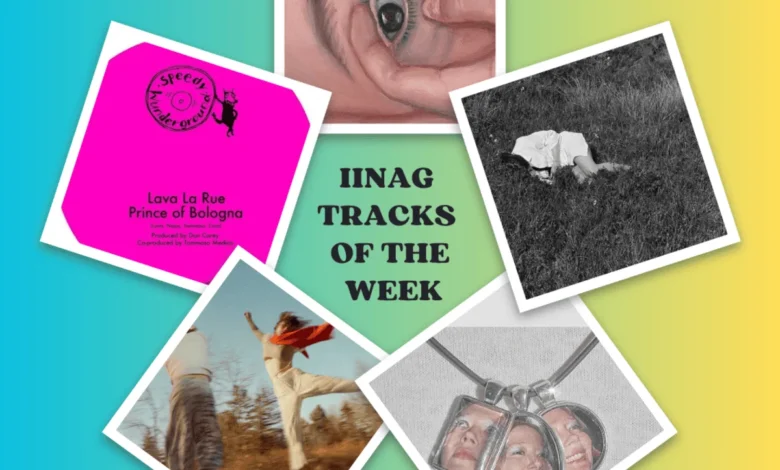
The independent music scene continues to be a vibrant and dynamic force, consistently delivering innovative sounds and compelling artistic expressions. This week, the editorial team at IINAG (Indie Is Not A Genre) has undertaken the crucial task of sifting through a deluge of new releases to highlight a curated selection of tracks deemed essential listening. These selections represent a diverse range of styles and moods, underscoring the breadth and depth of contemporary independent music. The team’s commitment is to provide their audience with a distilled overview of noteworthy new music, allowing listeners to engage with the most impactful releases without the need for extensive individual exploration. The following are the featured tracks, each accompanied by an in-depth review from the IINAG contributors.
Dry Cleaning – "I Have The Key"
A Descent into Profound Vulnerability and Sonic Intensity
The London-based post-punk outfit Dry Cleaning has consistently demonstrated a remarkable ability to find the profound within the ordinary, a skill that reaches a new zenith with their latest offering, "I Have The Key." This track transcends their signature post-punk claustrophobia, venturing into deeply moving and emotionally resonant territory. At its core, the song is built upon a stark, minimal groove that provides a stark canvas for Florence Shaw’s vocal performance. Shaw delivers a vocalization that is devastatingly vulnerable, a departure from her often deadpan delivery, now imbued with a palpable weight of sadness. This emotional resonance appears to be a direct response to the collective global trauma that has characterized recent years, offering a cathartic expression of shared anxieties.
The true masterstroke of "I Have The Key" lies in the improvised saxophone work by Bruce Lamont. Lamont’s saxophone weaving through the track is frantic and urgent, functioning akin to a siren in the dark, amplifying the song’s unsettling atmosphere. This sonic element elevates the piece from a mere song to a complex work of art, demanding the listener’s complete and undivided attention. The juxtaposition of Shaw’s introspective lyrical delivery with Lamont’s almost primal saxophone creates a tension that is both disquieting and utterly hypnotic. The track’s impact is such that it necessitates a state of quiet contemplation, encouraging a deep engagement with its emotional and sonic layers. This release further solidifies Dry Cleaning’s position as a band adept at pushing the boundaries of their genre, exploring new avenues of emotional expression within their distinctive sound.
Nina Winder-Lind – "Headfirst"
A Masterclass in Indie-Folk Intimacy and Atmospheric Resonance
Nina Winder-Lind’s "Headfirst" presents itself as an exemplary guide to crafting the perfect indie-folk track. This single is a gorgeous, slow-burn composition that masterfully merges delicate acoustic guitar picking with expansive swells of ambient sound. The result is a sonic tapestry that is both intimate and expansive, drawing the listener into its serene yet emotionally charged world. At the heart of the track lies Winder-Lind’s voice, which serves as the anchor, carrying a profound bittersweetness that lingers long after the final notes fade. Her vocal delivery is imbued with a tender fragility, conveying a complex emotional landscape that resonates deeply with the listener.
The arrangement of "Headfirst" is a testament to thoughtful craftsmanship. The subtle acoustic instrumentation provides a grounding presence, while the ambient textures create a sense of ethereal beauty and introspection. This interplay between the intimate and the atmospheric allows Winder-Lind’s lyrical themes of longing and gentle contemplation to unfold with grace. The single is a beautifully fragile offering that rewards listeners who are willing to surrender to its gentle ebb and flow, encouraging a state of contemplative release. Winder-Lind’s ability to evoke such potent emotion through understated instrumentation and a heartfelt vocal performance marks her as a significant talent within the indie-folk genre.
Julia Jacklin – "I Wish"
Unflinching Honesty in a Masterpiece of Regret and Longing
Julia Jacklin continues to distinguish herself as an artist with an unparalleled ability to expose the raw, unvarnished truths of human relationships. Her latest single, "I Wish," stands as a staggering addition to her already impressive catalogue. The track is built upon a foundation of brilliant, slow-rolling tension, a deliberate pacing that allows her piercingly honest lyrics to take center stage. This lyrical acuity is paired with a steady, melancholic rhythm that underscores the emotional weight of the song.
Jacklin’s vocals on "I Wish" ache with a beautifully controlled desperation. She navigates the complex and often painful landscape of regret and longing with a profound emotional intelligence. The controlled nature of her delivery prevents the song from devolving into overt melodrama, instead imbuing it with a quiet power that is all the more devastating. The lyrical themes explore the retrospective nature of desire and the lingering questions that arise from past decisions. "I Wish" is a quietly devastating triumph, a testament to Jacklin’s remarkable skill as a storyteller and her unwavering commitment to emotional authenticity. This single further cements her status as one of the most vital and perceptive songwriters working today, capable of articulating universal human experiences with profound clarity and impact.
Babehoven – "Lasagne"
Melancholy Grunge Textures Meet Affecting Nostalgic Songwriting
New York-based duo Babehoven has released "Lasagne," the poignant lead single from their forthcoming album, I See Them, I See Me. This track represents a compelling fusion of grunge textures and alt-country leanings, creating a sound that feels both familiar and refreshingly distinct. The sonic palette of "Lasagne" draws inspiration from artists such as MJ Lenderman and CMAT, yet the duo firmly retains its own unique voice, characterized by affecting and nostalgic songwriting.
The lyrical narrative of "Lasagne" delves into the complexities of deeply intertwined relationships, exploring the paradoxical closeness that can sometimes obscure true understanding. As vocalist Maya Bon explains, "Sometimes when you’re deeply intertwined, you’re so close you can’t see one another. You want the other to break in two; reveal what’s underneath. You keep busy, you fill your day but the other person is waving in the wind all around you, you feel them everywhere. You feel small, stuck, and frantic.” This evocative explanation sheds light on the song’s thematic core, capturing the emotional turmoil and sense of helplessness that can arise from such profound connections. The track’s melancholic atmosphere, coupled with its introspective lyrics, positions Babehoven as artists capable of translating intricate emotional states into resonant musical experiences.
Lava La Rue – "Prince of Bologna"
Rewriting the Alt-Hip-Hop Rulebook with Psychedelic Flair
Lava La Rue continues to demonstrate a fearless approach to redefining the landscape of alt-hip-hop, and their collaboration with producer Dan Carey on "Prince of Bologna" is a prime example of this innovative spirit. The track is characterized by a hazy, psychedelic bassline that forms the atmospheric foundation, complemented by intricate, jazzy percussion. This sonic combination creates an immersive environment that feels simultaneously nostalgic and forward-looking, a testament to the duo’s ability to blend disparate influences seamlessly.
La Rue’s vocal delivery on "Prince of Bologna" is exceptionally smooth, exuding an effortless confidence. The track is rich with vivid storytelling, drawing the listener into its unique narrative world. The overall impression is one of an artist who is comfortable pushing creative boundaries and refusing to be confined by genre conventions. "Prince of Bologna" solidifies Lava La Rue’s reputation as a compelling and unpredictable artist, consistently delivering music that is both stylistically adventurous and emotionally engaging. Their ability to craft such a distinct and captivating sonic identity speaks to their growing influence within the contemporary music scene.
The Broader Landscape of Independent Music
The curated selections from IINAG offer a snapshot of the current state of independent music, highlighting a commitment to artistic integrity, emotional depth, and sonic innovation. Each track, in its own way, speaks to the enduring power of music to articulate complex human experiences and to forge connections between artists and listeners. The continued emergence of artists like Dry Cleaning, Nina Winder-Lind, Julia Jacklin, Babehoven, and Lava La Rue underscores the vital role that independent labels and platforms play in nurturing and promoting diverse musical voices.
The success of these artists is not merely measured in chart positions but in their ability to create meaningful work that resonates with a dedicated audience. Their willingness to experiment with form, content, and sonic texture ensures that the independent music landscape remains a fertile ground for discovery and artistic evolution. The IINAG team’s dedication to highlighting these essential new tracks serves as a valuable service for music enthusiasts seeking to stay abreast of the most compelling developments in the independent music sphere.
A Continuing Legacy of Discovery
The trend of artists exploring themes of vulnerability, societal reflection, and the intricacies of human connection is a significant one. Dry Cleaning’s raw exploration of global trauma, Julia Jacklin’s unflinching dissection of regret, and Babehoven’s nuanced portrayal of relationship dynamics all speak to a collective artistic impulse to process and understand the modern human condition. Simultaneously, the forward-looking and genre-bending approaches of Nina Winder-Lind and Lava La Rue demonstrate a vibrant energy of experimentation and a desire to push sonic boundaries.
The ongoing engagement with these artists by platforms like Indie Is Not A Genre signifies a growing appreciation for music that prioritizes authenticity and artistic vision over commercial expediency. The curated playlist, accessible through the provided link, offers a comprehensive auditory experience of these highlighted tracks, inviting listeners to immerse themselves further in the week’s most compelling new releases. This commitment to thorough curation and accessible presentation ensures that the independent music community continues to thrive and reach new audiences.
Looking Ahead: The Evolution of Independent Sound
The consistent output of high-quality, diverse music from independent artists suggests a healthy and robust future for the genre. The willingness of musicians to engage with complex themes and to experiment with innovative production techniques indicates a creative environment that is not afraid to challenge conventions. As audiences continue to seek out authentic and meaningful artistic expressions, the role of independent music in shaping cultural discourse is likely to grow. The selections presented here are not merely individual releases but indicative of broader trends and artistic movements that are defining the contemporary musical landscape. The IINAG team’s efforts to distill these trends into digestible, impactful recommendations are invaluable to both seasoned fans and newcomers alike, fostering a deeper connection with the vibrant world of independent music.