Jane Ira Bloom Reunites With David Friedman for the Immersive New Album Light From a Person

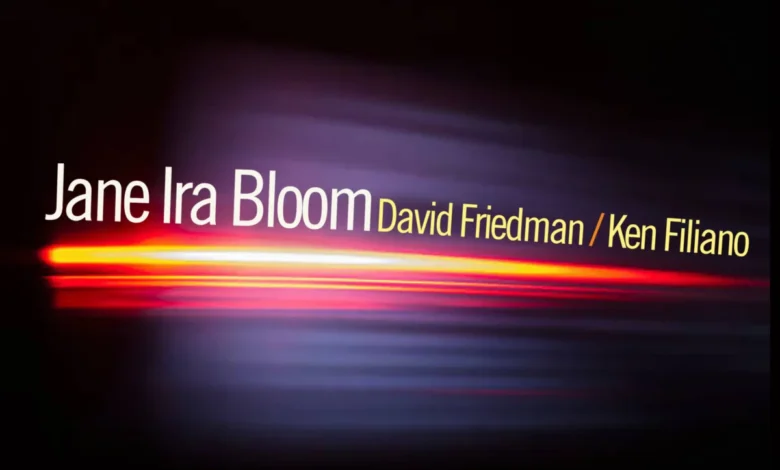
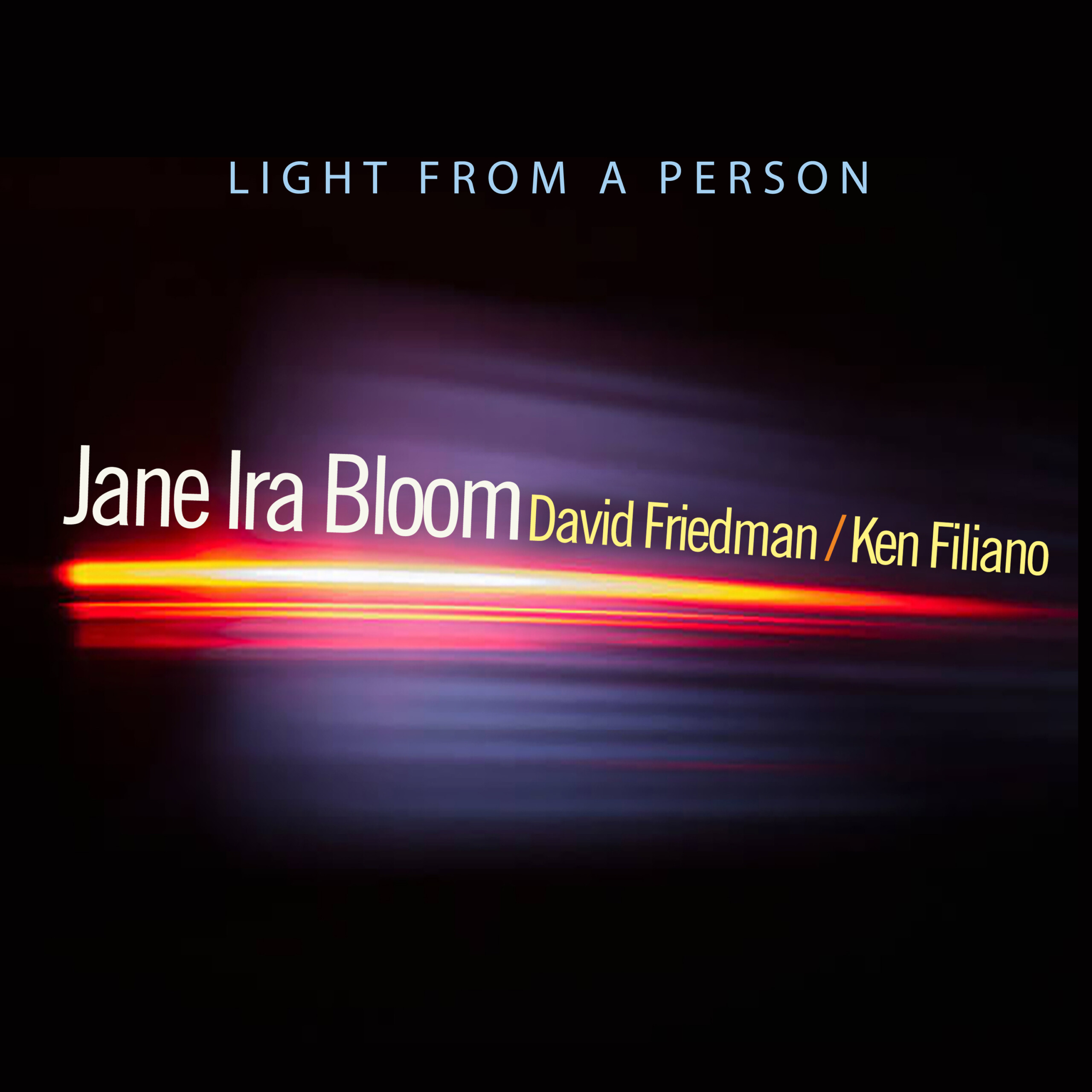
Soprano saxophonist and composer Jane Ira Bloom has marked a significant milestone in her illustrious career with the release of her latest project, Light From a Person. The album serves as a poignant reunion between Bloom and vibraphonist David Friedman, two iconic figures in the contemporary jazz landscape who first shared a studio and stage more than 45 years ago. This new recording, which also features the nuanced work of bassist Ken Filiano, represents more than just a musical collaboration; it is a testament to the enduring chemistry of seasoned improvisers who can transcend the constraints of time and limited preparation to produce work of profound artistic depth.
A Forty-Five-Year Musical Journey
The creative relationship between Bloom and Friedman dates back to the late 1970s, a period of transition in the New York City jazz scene where avant-garde sensibilities began to merge with lyrical improvisation. Over the intervening four decades, both artists carved out distinct paths in the international music community. Friedman, a virtuosic vibraphonist whose influence has spanned decades of European and American jazz, eventually established his base in Berlin. Despite the geographical distance and the divergence of their individual projects, the two maintained a mutual respect that eventually necessitated this collaborative effort.
The logistical challenge of bringing the project to fruition was significant, given Friedman’s residence in Germany. However, the opportunity to return to the States for a session at the Clive Davis Institute in Brooklyn provided the catalyst for the reunion. The configuration—sax, vibes, and bass—is one that Bloom has explored previously, finding it to be a uniquely transparent ensemble format that demands both technical precision and deep emotional intuition.
The Dynamics of Spontaneous Creation
One of the most remarkable aspects of Light From a Person is the brevity of the preparation period. In an era where many jazz productions involve extensive rehearsals and meticulous multi-tracking, Bloom, Friedman, and Filiano opted for a more organic approach. By relying on their combined decades of experience, the trio spent minimal time in pre-production rehearsals before laying down the 10 tracks that comprise the final album.
This "less is more" philosophy is perhaps best exemplified by the ballad "White Tower." Described by Bloom in a recent interview with Green Arrow Radio’s Mr. G as a "simple, folk-like song," the track serves as the emotional centerpiece of the album. On this piece, Bloom’s approach to the melody is unadorned and direct, allowing the space between notes to speak as loudly as the notes themselves.
The interplay on "White Tower" highlights the specific sonic roles each musician occupies: Bloom provides the melancholic, lyrical core; Friedman’s vibraphone offers a chiming, resonant counterpoint that blossoms into a central element of the conversation; and Filiano’s bass provides a foundational warmth that anchors the airy texture of the sax and vibes. The track’s structure includes elegant solo contributions from both Friedman and Filiano, with the latter demonstrating a soulful restraint that reinforces the song’s intimate character. When Bloom re-enters, the transition is seamless, guiding the ensemble toward a conclusion that feels earned rather than forced.
Technical Precision and Immersive Audio
Beyond the compositions themselves, the production of Light From a Person was driven by a commitment to high-fidelity audio standards. Recognizing that the intimacy of a trio performance requires an equally precise recording environment, the project was helmed by industry-renowned specialists Jim Anderson and Ulrike Schwarz. Their mandate was clear: the album was conceived, performed, and captured with the specific intent of providing a surround-sound experience for the listener.
The result is a recording that transcends standard stereo limitations. By utilizing advanced techniques in hi-def stereo and immersive audio, Anderson and Schwarz have preserved the spatial relationships between the instruments. This is particularly crucial for a vibraphone, which relies on the decay of metallic resonance, and the saxophone, which utilizes breath-driven micro-tonal shifts. The album is currently available in both standard digital formats and the immersive digital formats that allow listeners to experience the full depth of the soundstage.
The Trio’s Philosophy: "Just Record What Feels Good"
The overarching theme of the album, according to Bloom, is the prioritizing of emotional authenticity over technical perfectionism. When discussing the lack of extensive rehearsal, Bloom noted that the trio collectively decided to "just record what feels good." This mantra underscores the confidence of the performers; it is a luxury afforded only to those who have mastered their craft to such a degree that they can trust their instincts in real-time.
This approach has clear implications for the genre. In an industry that often prioritizes the polish of the studio, Light From a Person makes a compelling case for the "live-in-the-room" aesthetic. It invites the listener into the session, offering a window into a conversation that feels as immediate as if it were happening in the present moment, despite the long history shared by the primary collaborators.
Broader Impact and Industry Context
The release of Light From a Person arrives at a time when the jazz community is increasingly focused on the preservation of legacy while simultaneously embracing new audio technologies. Bloom, who has long been a pioneer in incorporating electronics and spatial audio into her work, continues to bridge the gap between traditional jazz composition and modern technical experimentation.
For students of jazz, the album serves as a masterclass in trio dynamics. The saxophone-vibraphone-bass configuration is notoriously difficult to balance; without the rhythmic "glue" of a drum kit, the burden of time-keeping and harmonic pacing falls entirely on the three participants. That Bloom, Friedman, and Filiano are able to maintain such a consistent, driving pulse while remaining harmonically adventurous speaks to the high level of individual musicianship involved.
Furthermore, the collaboration between a Berlin-based artist and a New York-based composer highlights the global nature of contemporary jazz. The ease with which these musicians resumed their creative partnership suggests that the "jazz language" is a universal one, capable of crossing borders and decades without losing its potency.
Conclusion
Light From a Person is a significant entry in Jane Ira Bloom’s discography, not only for the reunion it facilitates but for the clarity of its artistic vision. By stripping away the unnecessary and focusing on the interplay between three highly sensitive performers, Bloom has created a work that feels both classic and forward-looking. As the album finds its audience in the digital space, its legacy will likely be defined by the balance it strikes between the ephemeral nature of improvisation and the permanence of high-fidelity audio engineering. Whether experienced through high-end immersive sound systems or standard digital playback, the record remains an essential exploration of what happens when masters of their craft choose to trust their instincts and each other.