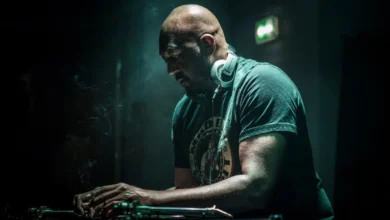
Eric Bindman: The Architect Behind Prodigy Artists’ Ascendance and a New Paradigm in Music Management


Managing a single artist demands an intricate blend of creativity, business acumen, and unwavering dedication; however, overseeing the comprehensive operations of an entire management company while simultaneously nurturing a personal roster of high-profile talent presents a distinct and formidable challenge. Few individuals possess the unique skill set to excel in both capacities, and fewer still execute these dual responsibilities with the exemplary proficiency demonstrated by Eric Bindman. As a Partner and the Director of Operations at Prodigy Artists, Bindman stands at the nexus of artistic development and corporate infrastructure, steering one of electronic music’s most distinguished and established management firms while personally guiding the careers of Grammy-nominated and Gold-certified artist Audien, dance legend Valentino Khan, and burgeoning talents like Luke Alexander, Elephante, and NIIKO X SWAE. Prodigy Artists, the force behind global sensations such as NGHTMRE, SLANDER, and BÄÄKON, recently reported collective ticket sales surpassing 380,000 in a single year—a testament to its formidable market presence, with Bindman identified as a leading and critical catalyst for much of this remarkable growth.
A Dual Mandate: Redefining Artist Management and Operational Excellence
Bindman’s role is an anomaly within the competitive landscape of the music industry. He embodies a rare fusion of direct artist advocacy and high-level corporate governance, a combination that has proven instrumental in Prodigy Artists’ sustained expansion and success. His daily responsibilities stretch across the full spectrum of business operations, encompassing finance, accounting, legal affairs, human resources, mergers and acquisitions (M&A), technology integration, contract management, and insurance oversight for the entire company. This extensive operational purview ensures that the foundational elements supporting every artist and manager within Prodigy are robust, efficient, and scalable. Concurrently, his direct management of a diverse roster ensures he remains intimately connected to the day-to-day realities and evolving demands of artist careers, allowing him to build systems that are not merely theoretically sound but practically effective and responsive to real-world challenges. This integrated approach, blending frontline artist support with sophisticated corporate architecture, is what distinguishes Bindman’s contribution and positions Prodigy Artists as a vanguard in the modern music management sphere.
The Genesis of Prodigy Artists: A Powerhouse in Electronic Music
Prodigy Artists has carved out an indelible niche within the electronic music ecosystem, a genre that has seen exponential growth and diversification over the past two decades. From its inception, the firm has been dedicated to cultivating and elevating artists who push sonic boundaries and captivate global audiences. The company’s trajectory mirrors the broader ascent of electronic dance music (EDM) from niche subculture to mainstream phenomenon, commanding significant market share and influencing popular culture worldwide. Industry reports consistently highlight the electronic music market as a multi-billion dollar sector, driven by a vibrant live events circuit, robust streaming figures, and an increasingly sophisticated global fan base. Prodigy’s success with artists like NGHTMRE and SLANDER, who have headlined major festivals and embarked on sold-out tours, underscores its strategic prowess in artist development and market penetration. The firm’s ability to consistently identify, sign, and elevate talent—ranging from established legends to rising stars—speaks to a deep understanding of the genre’s nuances and commercial potential. This established legacy provides the fertile ground upon which Bindman’s dual responsibilities flourish, allowing him to leverage existing infrastructure while simultaneously refining it for future growth.
Cultivating Stardom: Bindman’s Artist Roster and Success Stories
Bindman’s achievements as an artist manager are independently impressive and widely acknowledged across the industry. His work with Audien serves as a prime example of his strategic vision and execution. Under Bindman’s guidance, Audien has cemented his status as a premier touring act in dance music, achieving monumental ticket sales figures including over 6,600 in New York and more than 6,000 in Los Angeles for headline shows. These numbers place Audien among the elite performers in a highly competitive live music market, demonstrating a sustained demand that few artists can command. Beyond touring, Bindman has been instrumental in Audien securing two Gold-certified records, a significant milestone reflecting millions of sales and streams, and spearheading the release of the critically acclaimed album First Love. This album has amassed over 101 million streams on Spotify alone, a testament to its widespread appeal and commercial success in an era where streaming metrics are pivotal indicators of an artist’s reach and influence. For context, achieving over 100 million streams on a major platform like Spotify signifies a truly global hit, often translating into significant royalties and further enhancing an artist’s brand value and touring potential. These accomplishments are not merely feathers in Audien’s cap; they are tangible evidence of Bindman’s acumen as a manager, contributing directly to Prodigy Artists’ reputation as a leading entity in the space. His philosophy for artist development is nuanced, eschewing a one-size-fits-all approach. He seeks artists with a clear vision, a commitment to evolution, and a long-term perspective, emphasizing sustainable careers over fleeting trends.
The Operational Architect: Building the Backbone of a Management Giant
The strategic importance of Bindman’s role as Director of Operations cannot be overstated. In an industry characterized by rapid technological shifts, evolving revenue streams, and complex legal frameworks, a robust operational backbone is essential for sustained success. Bindman’s oversight of critical functions such such as finance, accounting, legal, HR, M&A, technology, contracts, and insurance ensures that Prodigy Artists operates with maximum efficiency and compliance. This comprehensive mandate allows him to build the very infrastructure that empowers every manager and artist within the company. For instance, he is not just securing deals for Audien or Valentino Khan; he is simultaneously constructing the internal systems and processes that enable every manager at Prodigy to perform their duties more effectively, and that allow the company to seamlessly integrate new artists without diluting the high standard of service it is known for.
An industry analyst, speaking on condition of anonymity due to competitive sensitivities, remarked, "In today’s fast-paced music industry, the ability to scale operations without sacrificing quality is paramount. Eric Bindman’s dual expertise is a rare asset; he understands the nuanced needs of artists while also possessing the strategic foresight to build robust, scalable corporate frameworks. This integrated approach is a competitive differentiator for Prodigy Artists, allowing them to adapt and thrive where others might falter." Bindman himself articulated this strategic imperative, noting a significant shift away from "siloed knowledge" towards "building scalable systems." This involved documenting processes, standardizing workflows, and implementing technologies to enhance organization and efficiency across financial reporting, budgeting, contract management, onboarding, and internal communications. The goal, he emphasized, was to "remove friction so our managers could spend more time doing what matters most: supporting their artists," underscoring the philosophy that effective operations should be almost invisible, facilitating rather than impeding creative and management efforts.
A Career Forged in Experience: From Campus Promoter to Industry Leader
Bindman’s journey to the upper echelons of music management is a testament to a career built from the ground up, spanning over 15 years and nearly every facet of the business. His trajectory provides a chronological masterclass in understanding the intricate mechanics of an artist’s career. It began modestly during his freshman year at university in Canada, where he organically transitioned from filming events and DJs to booking talent. This early immersion taught him the raw, unfiltered realities of event production and artist relations, laying a foundational understanding of the live business.
- Early Days (University Freshman, Canada): Bindman started by filming events and DJs, naturally evolving into an unofficial tour manager and eventually a one-stop shop for event logistics, including booking talent. This period instilled in him an innate problem-solving ability and a comprehensive understanding of grassroots event execution.
- Tour Management (Post-University): His passion led him to tour manage acts like Deorro, Yung Bae, Two Friends, and 3LAU. Life on the road, fraught with unpredictable challenges from travel delays to production issues, proved to be an invaluable crucible. "Tour managing taught me lessons that you simply can’t learn behind a desk," Bindman recounted. "It really taught me how to stay on my toes and how to solve problems calmly and immediately, often before anyone else even knows they exist or before they flare up into bigger issues." This experience cultivated his composure under pressure, ability to make decisions with limited information, and a profound appreciation for the human element in building a successful tour.
- Broad Industry Exposure (Pre-Prodigy Partner): Before assuming his current multifaceted role, Bindman systematically accumulated expertise across a vast array of industry segments: publishing, accounting, catalogue sales, label management, HR, social media marketing, travel logistics, and event execution. This holistic understanding allows him to evaluate every opportunity and challenge from multiple perspectives, ensuring proactive, long-term strategic decisions that connect all moving pieces of an artist’s business.
- Ascension at Prodigy Artists: His extensive background made him an ideal candidate to take on the demanding dual role at Prodigy, where his operational acumen could complement his proven track record in artist development. His deep understanding of how each department functions allows him to communicate more effectively and build cohesive strategies that empower artists to focus on their creative endeavors while their business is meticulously managed.
The "People-First" Ethos: Fostering Trust and Sustainable Growth
Central to Bindman’s approach is a deeply ingrained "people-first" philosophy. He firmly believes that the music industry, particularly the close-knit dance music community, thrives on genuine relationships, trust, and mutual respect. "While deals, strategies, and numbers are all important, people ultimately choose to work with those they trust and enjoy being around," Bindman stated. This ethos permeates every aspect of his work, from managing his artists to interacting with external partners such as promoters, agents, lawyers, and production teams. He champions transparency, integrity, and empowerment, creating an environment where individuals feel valued and supported to perform their best work.
This relational approach is not merely a matter of personal preference but a strategic imperative for long-term success. In an industry where reputations are painstakingly built and easily fractured, consistently adhering to ethical practices and fostering strong partnerships creates a robust ecosystem. "When people know you genuinely have their best interests in mind, it creates stronger partnerships and better outcomes for everyone involved," he elaborated. This philosophy underscores the importance of a collaborative, "big happy family" dynamic, or in more corporate terms, a "well-oiled machine," where all stakeholders are aligned and working towards common goals. This commitment to building lasting relationships ensures that careers are built over years, not just fleeting viral moments, emphasizing the critical importance of a sustainable, authentic trajectory.
Strategic Vision: Navigating the Evolving Music Landscape
The music industry is in a perpetual state of flux, constantly reshaped by technological advancements, consumption patterns, and global economic shifts. Bindman’s comprehensive background and dual role position him uniquely to navigate this complex landscape. His ability to connect the dots across various industry sectors enables him to anticipate trends, mitigate risks, and seize emerging opportunities. Whether it involves negotiating publishing deals, optimizing touring logistics, or integrating new digital marketing strategies, his decisions are informed by a holistic understanding of the ecosystem, ensuring that every move contributes to the artist’s long-term career viability.
The emphasis on building "sustainable careers" rather than "successful moments" is a hallmark of his strategic thinking. In an age dominated by viral content and fleeting attention spans, Bindman champions a methodical, consistent approach that prioritizes artistic authenticity and strategic investment. This often means making decisions that might not yield immediate gratification but are designed to strengthen an artist’s foundation and expand their longevity. His operational insights, gleaned from overseeing the company’s financial and legal frameworks, provide a pragmatic lens through which artistic aspirations can be translated into viable business plans.
The Blueprint for the Future: Goals and Broader Industry Implications
Looking ahead, Bindman’s goals for himself and Prodigy Artists remain rooted in continuous growth, evolution, and unwavering commitment to his core values. He aims to further develop his skills as a manager and leader, consistently adapting to the industry’s dynamic shifts while remaining a vital resource for the artists he represents. His ongoing challenge lies in balancing the creative nuances of artist management with the stringent demands of operational leadership, a skill set he is keen to refine further.
Prodigy Artists, under Bindman’s operational guidance, is poised for continued expansion. The operational foundation he has meticulously built is designed to support an ever-growing roster of talent without compromising the personalized, high-quality service that defines the company. This model, integrating a deep understanding of artistic development with scalable corporate infrastructure, offers a compelling blueprint for other management firms seeking to thrive in a competitive and rapidly evolving industry.
A spokesperson for Prodigy Artists, affirming Bindman’s pivotal role, stated, "Eric is truly indispensable. His unique blend of hands-on artist management and strategic operational leadership has been critical to our growth. He doesn’t just manage artists; he builds the very systems that enable our entire company to succeed and scale responsibly."
Ultimately, Eric Bindman’s career trajectory and current impact at Prodigy Artists illuminate a new paradigm in music management. From his humble beginnings booking shows as a student to orchestrating the operational backbone of one of electronic music’s most distinguished management companies, he has demonstrated that profound success stems from understanding every piece of the business and prioritizing people. His instrumental role in Audien’s remarkable growth—evidenced by sold-out shows, Gold certifications, and a hundred-million-stream album—is irrefutable proof of the efficacy of this integrated approach. As Prodigy Artists continues its upward trajectory, Bindman remains one of its most critical pieces, focusing on the foundational work that rarely garners headlines but is essential to holding everything together, building the intricate structure that empowers artists to realize their fullest potential and ensures the enduring legacy of the firm.
Related posts: