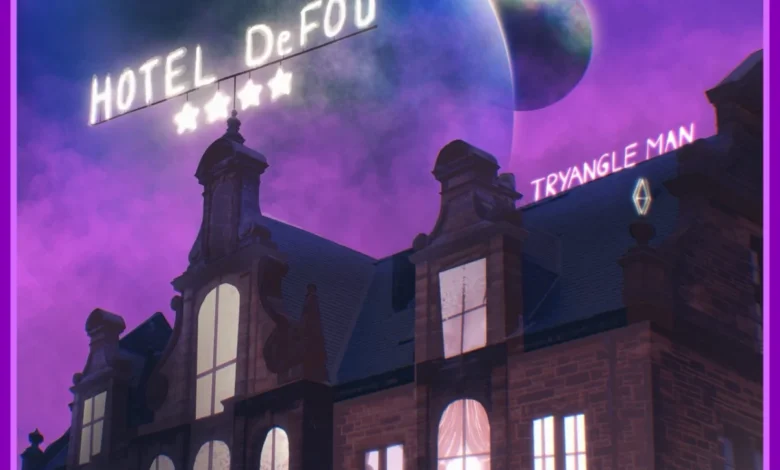
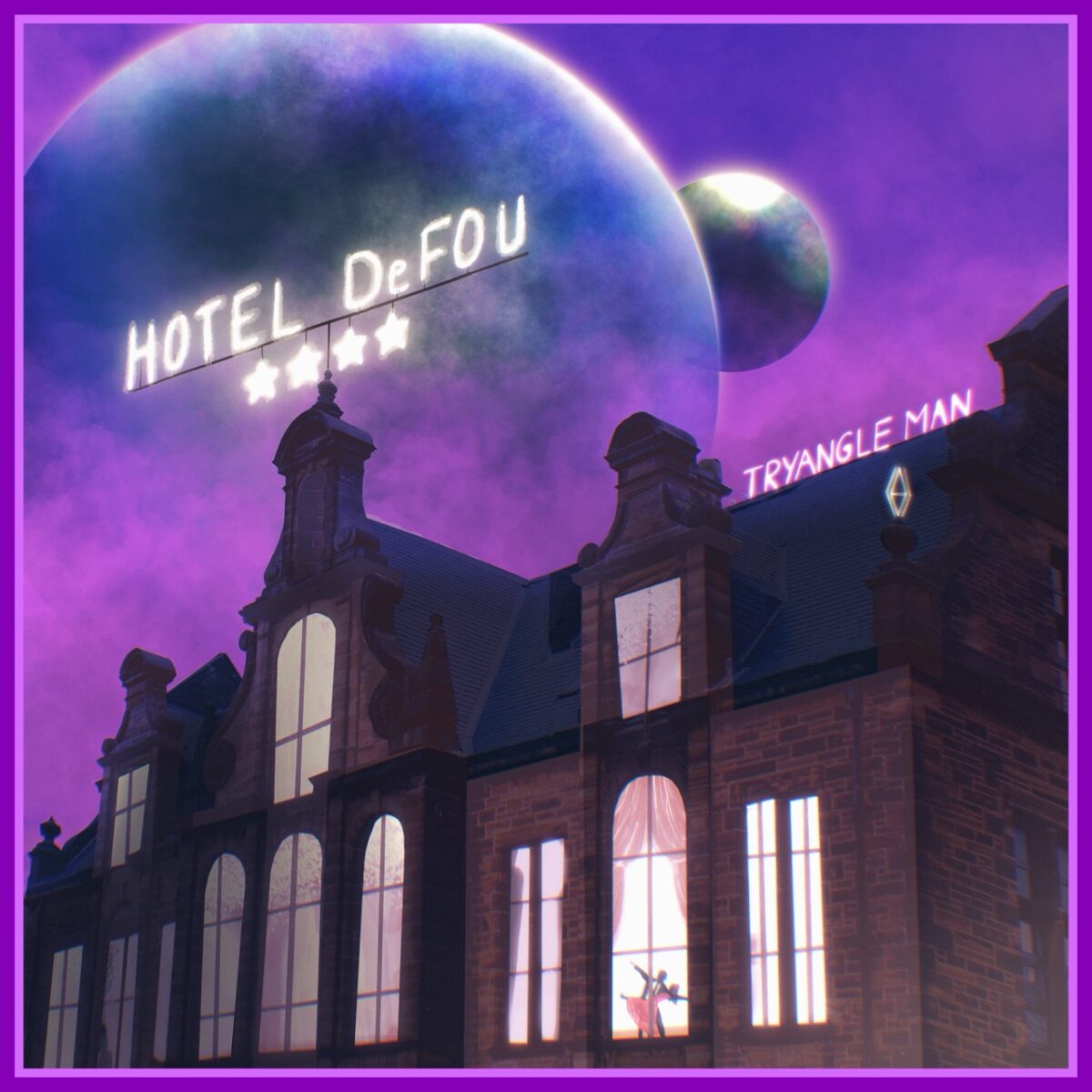
The highly anticipated new album, "Hotel Defou," from the enigmatic London-based artist Tryangle Man, represents a bold conceptual leap, offering listeners a meticulously crafted sonic world built around the metaphor of an imagined hotel. Each of the album’s tracks serves as an auditory key, unlocking a different room, an unexpected encounter, or a poignant moment within this unique architectural soundscape. This ambitious project, which seamlessly blends club energy, jazz expression, classical dynamics, humor, romance, and deeply personal memories, is the culmination of more than a year of rigorous live performances and meticulous studio refinement, signaling a significant milestone in Tryangle Man’s artistic trajectory. The record’s development process, heavily influenced by direct audience interaction, underscores a commitment to creating music that resonates deeply and invites repeated exploration, much like a beloved destination one yearns to revisit.
The Evolution of a Sonic Architect
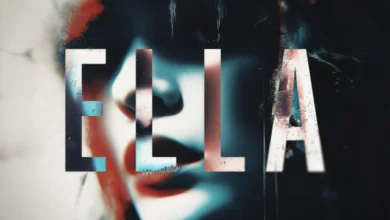
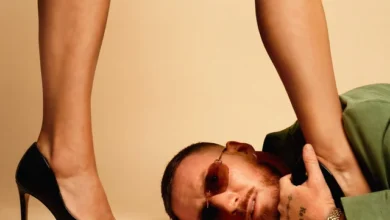
Tryangle Man’s discography has consistently showcased an artist unafraid to traverse vast conceptual terrains. His previous album, characterized by its expansive scope and "journey of discovery" ethos, ventured into the cosmic, exploring "the stars" with a grand, abstract vision. In stark contrast, "Hotel Defou" pivots towards a more grounded, yet equally imaginative, narrative. As the artist himself articulates, this shift was driven by a fundamental need to connect with listeners on a more personal, tangible level. Instead of boundless celestial exploration, Tryangle Man chose to focus his creative energies on a singular, relatable concept: a hotel. This deliberate narrowing of focus allowed for an unparalleled depth of detail and emotional resonance, transforming an abstract idea into a concrete, visitable world. Currently based in London, Tryangle Man is actively engaged in planning upcoming live performances, further extending the album’s immersive experience beyond the studio. The striking visual identity of "Hotel Defou" is further enhanced by the evocative photography of Daragh Drake, whose work consistently captures the nuanced aesthetic embedded within Tryangle Man’s artistic universe.
The Genesis of "Hotel Defou": A Year in the Making
The creation of "Hotel Defou" was far from a linear studio endeavor; it was an organic, iterative process deeply rooted in live performance. Over a period exceeding a year, the album’s tracks were subjected to a rigorous regimen of writing, performing, testing, and refining in front of live audiences. This extensive gestation period was crucial in shaping the album’s cohesion and ensuring each piece found its rightful place within the overarching "hotel" narrative. Tryangle Man describes the moment of realization—when the individual tracks coalesced into a unified story—as pivotal. Each song had to fulfill its role, portraying a distinct space or moment within the hotel’s imagined confines. This painstaking method, involving constant repetition and audience observation, allowed certain musical ideas to "stand out more than others," naturally guiding the selection and refinement process. This approach is increasingly recognized in contemporary electronic music, where artists often road-test material to gauge its impact before final release, ensuring a symbiotic relationship between creation and reception.
The Dancefloor as a Creative Crucible
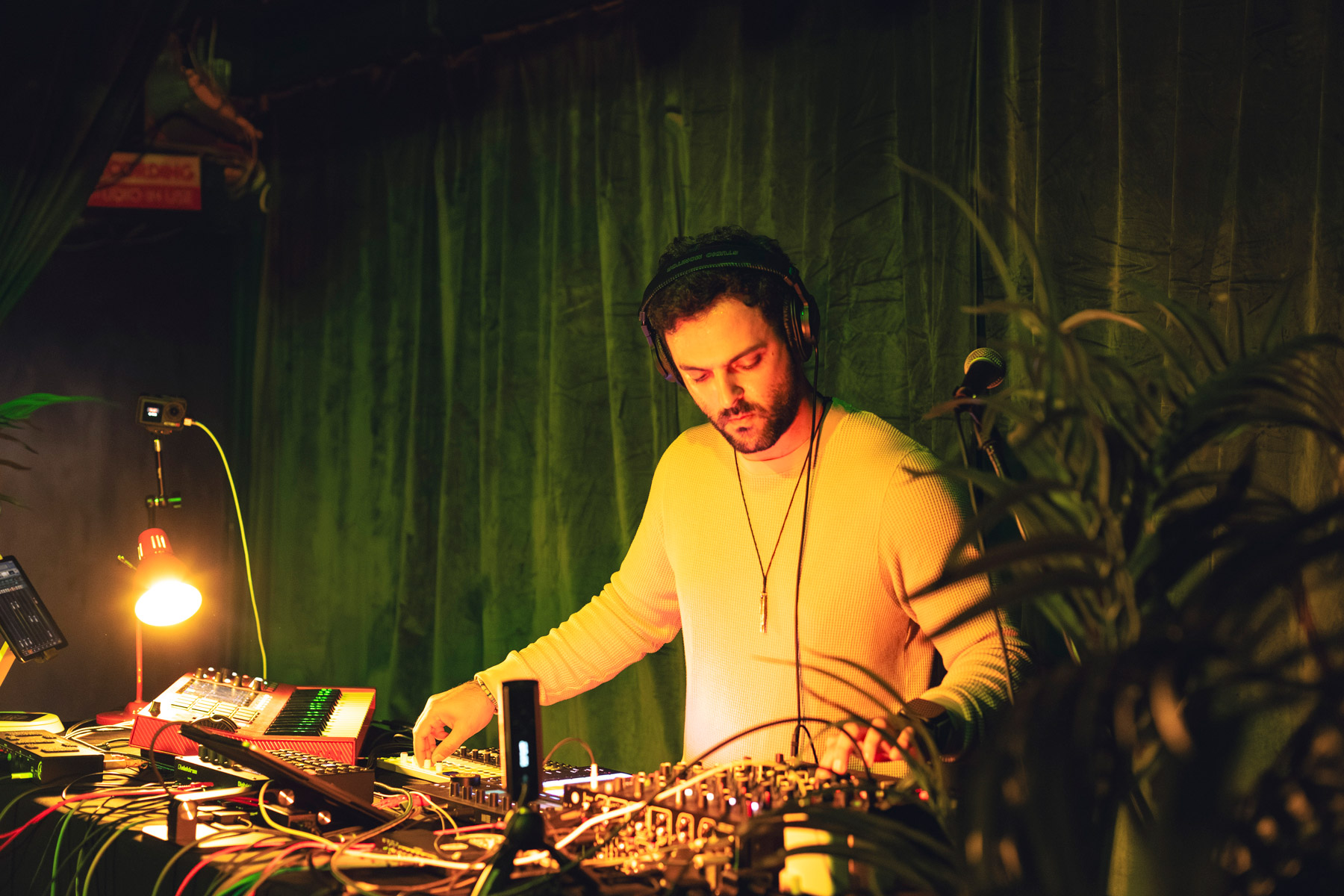
A defining characteristic of Tryangle Man’s creative methodology is the central role of the dancefloor. For him, live performance is not merely a means of presenting finished work but an integral part of the production cycle itself. The immediate, unvarnished reactions of a crowd serve as an invaluable feedback mechanism, akin to having "a room full of people" in the studio. This direct engagement reveals the true efficacy of a track, indicating whether it requires further refinement or has achieved its intended effect. The sight of an unfamiliar listener staying for an entire set, captivated by the evolving sounds, is cited as the most profound form of validation. This emphasis on real-world impact over isolated studio perfection imbues "Hotel Defou" with a palpable authenticity and a dynamic energy that might otherwise be lost. In an era where digital distribution can sometimes detach artists from their audience, Tryangle Man deliberately re-establishes this vital connection, allowing the collective energy of the dancefloor to shape the very fabric of his compositions. This practice is a testament to the enduring power of live music and its ability to forge a unique bond between performer and listener, transforming passive consumption into active participation.
Architecting a Multi-Sensory Experience
"Hotel Defou" is characterized by a compelling sense of movement, interwoven with intricate character and meticulous detail. Tryangle Man masterfully balances tracks designed for kinetic energy with those crafted for introspective journeys. For instance, "Elevator Music" was explicitly conceived "on and for the dance floor," engineered to evoke physical responses, driving bodies to move and jump. Conversely, a track like "Tooka Martini" aims to transport the listener on a "funky journey," engaging the mind with its intricate melodies and shifting textures. This deliberate blend of "groovy and emotional" elements creates a rich tapestry of experiences, guiding the listener through a diverse spectrum of feelings and rhythms. The album’s ability to navigate between these states without losing coherence is a testament to Tryangle Man’s deep musical roots.
His background in classical and jazz music serves as a critical foundation, elevating his electronic compositions beyond mere functionality. While electronic music can sometimes lean towards utilitarian rhythms, Tryangle Man consciously injects the expressive power and dynamic range inherent in classical and jazz traditions. This fusion is not accidental; it is the result of extensive "trial and error," exploring "different versions for each song," and constantly moving "back and forth between ideas." This rigorous self-critique, informed by a nuanced understanding of musical structure and emotional arc, empowers him to make "critical decisions" and "break the mould." The rich dynamics found in classical and jazz, which inherently take listeners on "a rollercoaster of emotions," are expertly translated into the electronic medium, making each song feel undeniably "alive" and ensuring "Hotel Defou" stands as a work of profound artistic depth rather than simply a collection of tracks.
A World of Wonders: The Vision for "Hotel Defou"
Tryangle Man’s vision for "Hotel Defou" extends beyond just music; it is an invitation to a fully realized world. He aspires for the album to be "a place of wonders," where listeners feel "energised and refreshed." His evocative analogy of "checking in to that super cool hotel where the lobby smells incredible, the rooms are funky, and you’re excited to see what’s around every corner" perfectly encapsulates the album’s immersive intent. It is a space designed for liberation, where one can "let loose and enjoy life." This overarching thematic consistency is the anchor that binds the album’s diverse emotional palette—moments that feel playful, elegant, romantic, strange, and deeply personal—without ever sacrificing the underlying groove. The central story, though left for the listener to fully discover, acts as an internal compass, ensuring every element, every sonic texture, serves the larger narrative. If a piece does not fit this story, it simply "doesn’t make the cut," a testament to the album’s rigorous conceptual integrity.
The Art of Contrast and Personal Narratives
Tryangle Man’s artistic signature often lies in his embrace of contrasts: mystery alongside humor, rigorous discipline intertwined with spontaneous looseness, and profound musicianship coexisting with raw club energy. In "Hotel Defou," the most crucial contrast became the interplay between looseness and discipline. This album was a deliberate moment for the artist to "let go," to approach creation with an almost playful abandon, prioritizing what "feels right" over rigid adherence to conventional sound design or arrangement. The recording process itself mirrored this philosophy, with tracks captured "as if I were performing," eschewing extensive fixing or redoing. Yet, this freedom was always balanced by an unwavering commitment to quality, ensuring that even the most spontaneous moments contributed to a polished final product. This dual approach—allowing for organic expression while maintaining high standards—not only makes the production process exciting for the artist but also enriches the listening experience, offering a dynamic blend of structured artistry and uninhibited creativity.
Within this imaginative hotel, Tryangle Man also shares deeply intimate dedications, transforming private feelings into universally resonant music. He describes the decision to release such personal works as an intuitive leap, a choice made with the understanding that "otherwise, nothing ever gets released." This courage to expose vulnerability is evident in tracks like "Postcard to Edith," a poignant tribute to his late grandmother, and "When We Met," a heartfelt dedication to his wife. The artist expresses an eagerness to share these profound sentiments, believing that emotional honesty strengthens the connection with his audience.
The journey to "Hotel Defou"’s final form was not without its challenges. Tryangle Man identifies "knowing when to stop" as the hardest part of the process. The inherent desire to continually add "more elements, more songs" can be overwhelming, making the decisions of what to keep and what to cut excruciatingly difficult. Tracks were shortened, stripped down, or, in some cases, omitted entirely, a testament to the rigorous curatorial process that ensures the album’s coherence and impact. These difficult choices, especially when fond of all the material, highlight the often-unseen sacrifices made in the pursuit of artistic perfection and narrative focus.
The Enduring Value of the Album in a Fleeting Landscape
In an era characterized by rapid-fire releases and fleeting digital consumption, Tryangle Man firmly believes in the enduring power of the album as an artistic statement. For him, an album matters when it feels "connected"—when the artist’s deliberate choices regarding track order, thematic consistency, and accompanying artwork coalesce into a unified experience. Above all, it is the profound "feeling" evoked in the listener that truly defines an album’s significance. This perspective champions the album as a holistic work, a curated journey rather than a mere compilation of singles, advocating for a deeper, more intentional engagement with music.
For those encountering Tryangle Man through "Hotel Defou" for the first time, the artist hopes they conclude their listen feeling as though they have "spent a wonderful night at the hotel." He envisions a listener who not only appreciates the meticulous "work and time behind each song" but also feels "satisfied" and "curious enough to go back, and explore the rest of what I’ve made." This aspiration speaks to the album’s intrinsic replayability and its potential to serve as an inviting gateway to his broader artistic universe.
Reflections on the Electronic Music Landscape and Future Horizons
Reflecting on the contemporary electronic music landscape, Tryangle Man offers a nuanced perspective on the benefits and pitfalls of extended production cycles. While spending ample time with music allows for "refining and perfecting," it also carries the risk of never truly finishing a song. The challenge, he notes, lies in "learning how to be happy with what you have and letting go of ‘the perfect sound’," a sentiment many artists can relate to in the endless pursuit of an elusive ideal. This internal struggle highlights the delicate balance between artistic ambition and practical completion in a fast-paced industry.
As the doors of "Hotel Defou" officially open to the world, Tryangle Man looks forward to a future brimming with new possibilities. His plans include "more bespoke performances, festival appearances, more music, and then even more music." This vision suggests a continued commitment to live engagement and an unceasing creative output, promising an exciting new chapter for an artist who consistently pushes the boundaries of electronic music. "Hotel Defou" stands as a testament to Tryangle Man’s unique artistic vision, his mastery of diverse musical forms, and his unwavering dedication to crafting immersive sonic experiences that resonate deeply with his audience. The album not only enriches his own discography but also contributes a distinctive narrative to the broader tapestry of contemporary electronic music, inviting listeners to check in and explore its wonders time and again.
Related posts: