A New Paradigm for Classical Performance
The "Two Faces of the Dream" series is designed to transcend the traditional boundaries of the classical recital. Rather than presenting musical works as static monuments of art, the series seeks to humanize the figures behind the scores. By examining the relationship between a composer’s internal psychological state and their creative output, Harmonaire Musique aims to provide audiences with a deeper, more empathetic understanding of the repertoire.
The series title is a direct homage to the German Romantic composer Robert Schumann, who famously utilized two fictional alter egos—Florestan and Eusebius—to represent the dual aspects of his personality. Florestan embodied the composer’s passionate, impulsive, and often volatile side, while Eusebius represented his introspective, lyrical, and dreamy nature. This duality is not merely a historical curiosity but serves as the conceptual foundation for the entire concert series. The performances explore how these universal human traits—boldness and vulnerability, action and reflection—manifest in the music of various composers across different eras.
The Intersection of Dialogue and Music
A hallmark of the "Two Faces of the Dream" series is its integrated format, which intersperses live performances with spoken-word dialogue. This "lecture-recital" hybrid is intended to demystify classical music for new listeners while providing fresh insights for seasoned aficionados. During the Ottawa concert, Zhang and Mirzoev will not only perform a rigorous program but will also participate in curated discussions that decode the emotional and physical underpinnings of the works.
This approach reflects a broader trend in the performing arts toward "contextual programming." As audiences increasingly seek meaningful connections with the art they consume, organizations like Harmonaire Musique are responding by breaking the "fourth wall" of the concert hall. By sharing stories of the composers’ struggles, triumphs, and mental health challenges, the performers create a shared space for reflection, positioning classical music as a living, breathing art form that remains relevant to the modern human experience.
Featured Artist: Ying Zhang
Pianist Ying Zhang, who has served as the Artistic Director of Harmonaire Musique since August 2025, brings a wealth of international training and a specific curatorial vision to the series. Born in China, Zhang’s early musical education took place at the prestigious middle and high schools affiliated with the national Conservatory of Music. Her journey eventually led her to Canada, where she became a prominent figure at the Schulich School of Music at McGill University.
During her tenure at McGill, Zhang earned both her Bachelor’s and Master’s degrees in Piano Performance. Her academic and artistic rigor was recognized with several high-level accolades, including the Paul-Marcel Gélinas et Verna-Marie Parr Gélinas Piano Award. Upon graduating, she received the Outstanding Achievement in Piano award, a testament to her technical mastery and interpretive depth. Zhang further refined her craft in the United States, obtaining a Post-Graduate Professional Studies Diploma from the San Francisco Conservatory of Music.
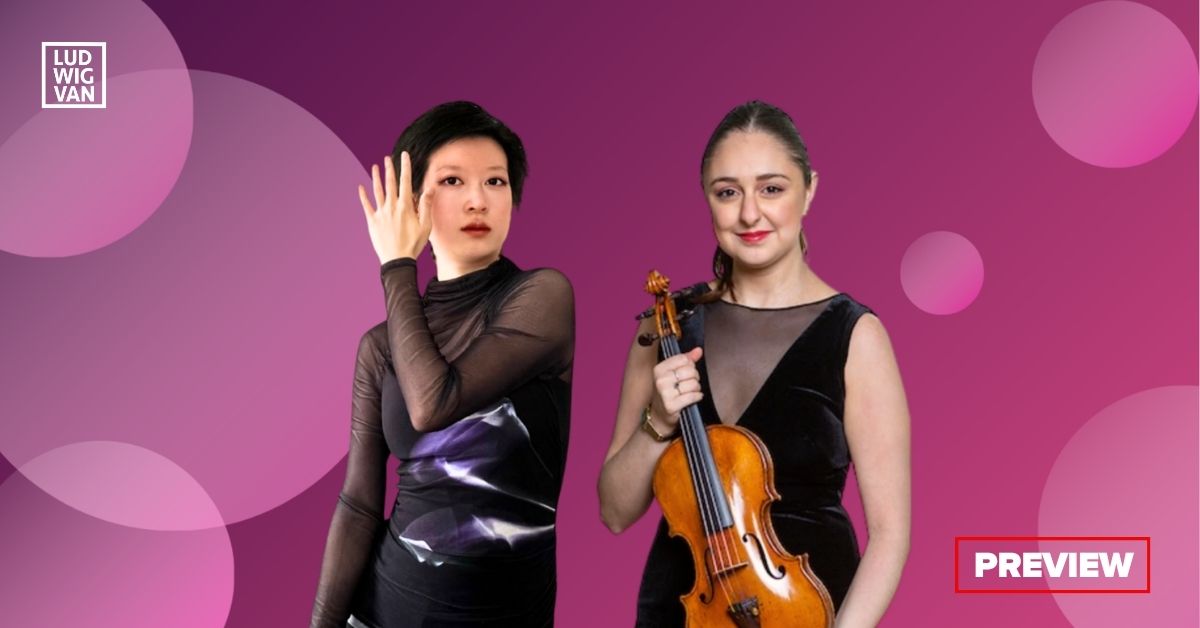
As a performer, Zhang is noted for a repertoire that spans the Classical and Romantic eras into the 20th century, alongside a commitment to newly commissioned works. Her 2026 schedule is particularly dense, with performances slated for The Blue Lounge Concert Series in Montréal, the Cataraqui Chamber Music Festival in Kingston, and various engagements in Vancouver and Halifax. Her dual role as both performer and Artistic Director allows her to shape the narrative of "Two Faces of the Dream" from its inception to its execution on stage.
Featured Artist: Julia Mirzoev
Collaborating with Zhang is the acclaimed violinist Julia Mirzoev. A native of Toronto, Mirzoev is widely regarded as one of the most formidable talents of her generation in Canada. Her educational pedigree includes degrees from the University of Toronto, McGill University, and the Yale University School of Music. Her time at these institutions was marked by significant honors, including the Broadus Erle graduating prize at Yale and the prestigious Golden Violin grand prize at McGill.
Mirzoev’s competitive record is equally distinguished. she has secured top prizes at the Michael Hill International Violin Competition and the Irving M. Klein International String Competition, as well as the Orchestre Symphonique de Montréal (OSM) Competition. Her career as a soloist has seen her perform on some of the world’s most renowned stages, including Carnegie Hall, Koerner Hall, and the Maison Symphonique.
Beyond her work as a soloist with orchestras such as the Toronto Symphony and the Montréal Bach Festival Orchestra, Mirzoev is a dedicated chamber musician. She has collaborated with industry luminaries such as Roger Tapping and Anthony Marwood and is a frequent guest at festivals like Ottawa Chamberfest and the Banff String Quartet Festival.
Of particular note is the instrument Mirzoev performs on: the 1747 "Palmason" Janarius Gagliano violin. This historic instrument is provided to her through the Canada Council for the Arts Musical Instrument Bank, a highly competitive program that grants Canada’s finest young musicians access to world-class instruments. The Gagliano’s rich, storied tonal palette is expected to play a crucial role in bringing the psychological nuances of the "Two Faces" program to life.
Chronology and National Tour Context
The Ottawa performance on June 7, 2026, is a key stop in a larger national tour that spans the 2026 calendar year. Harmonaire Musique has strategically planned the tour to reach diverse communities across Canada, reflecting a commitment to national cultural engagement.
- August 2025: Ying Zhang assumes the role of Artistic Director, beginning the formal curation of the "Two Faces of the Dream" concept.
- Early 2026: The series launches in Montréal, establishing the program’s thematic framework in the organization’s home city.
- Spring 2026: The tour moves through Ontario and the Maritimes, including appearances in Kingston and Halifax.
- June 7, 2026: The Ottawa concert at Huguette Labelle Hall.
- Late 2026: The series concludes with performances in Western Canada, including Vancouver.
The decision to host the Ottawa leg at Huguette Labelle Hall (located within Tabaret Hall at the University of Ottawa) is significant. The hall is known for its intimate acoustics and historical architecture, providing a fitting backdrop for a program centered on the "inner world" and private reflections of composers.
Broader Impact on the Canadian Arts Landscape
The "Two Faces of the Dream" series arrives at a time when the Canadian classical music industry is navigating a period of transition. Following years of pandemic-related disruptions, there is a renewed focus on audience retention and the diversification of performance formats. Harmonaire Musique’s emphasis on psychological narrative and artist-led dialogue aligns with contemporary efforts to make the arts more accessible and socially relevant.
Furthermore, the collaboration between Zhang and Mirzoev highlights the strength of the Canadian conservatory system. Both artists are products of top-tier Canadian institutions (McGill, U of T) and have successfully leveraged that foundation into international careers. Their return to the Canadian stage for a national tour serves as a "proof of concept" for the continued viability of high-level chamber music touring in the country.
The use of the Canada Council Instrument Bank also underscores the importance of public funding and institutional support in maintaining artistic excellence. By providing Mirzoev with a 1747 Gagliano, the Council ensures that Canadian audiences are hearing these works performed on instruments of the highest historical and sonic caliber, elevating the overall cultural value of the tour.
Implications for Audience Engagement
By "decoding" the music through the lens of Schumann’s Florestan and Eusebius, the series addresses a common barrier to classical music appreciation: the perception that the genre is overly formal or intellectualized. The psychological approach invites the audience to find parallels between the composers’ lives and their own.
In a broader sense, this initiative reflects a shift toward "wellness" and "mental health" discourse within the arts. By discussing the mental and emotional states of composers, the series contributes to a more holistic view of creativity—one that acknowledges the vulnerability required to produce great art. For the Ottawa community, the June 7 concert offers more than just a musical performance; it offers a study of the human condition, facilitated by two of the country’s most insightful young performers.
As the 2026 tour continues, "Two Faces of the Dream | Les Deux Visages du Rêve" stands as a testament to the power of thematic programming. It demonstrates that when technical brilliance is paired with thoughtful storytelling, classical music can move beyond the museum and back into the center of the contemporary cultural conversation.