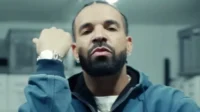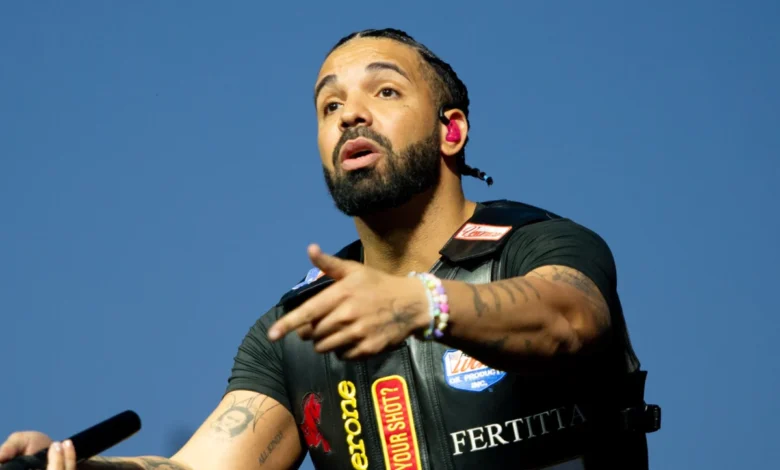
The highly anticipated release of Drake’s ninth solo studio album, Iceman, is officially slated for May 15. The OVO Sound mogul unveiled the release date through an elaborate, fan-interactive stunt involving a colossal ice structure in his hometown of Toronto, culminating in the discovery of a hidden clue by a dedicated fan. This album marks Drake’s first major solo project since his widely publicized and intense rap battle with Kendrick Lamar, setting the stage for one of the most significant musical events of the year.
The Chilling Revelation: An Unprecedented Album Rollout
The announcement on Tuesday, April 21, came after days of mounting speculation fueled by Drake’s unique promotional strategy. A massive ice sculpture, prominently featuring the album’s title, had been erected in Toronto, inviting fans to participate in its gradual deconstruction. The objective was clear: chip away at the frozen monument to uncover a hidden secret. This innovative approach to an album rollout garnered significant attention across social media and news platforms, transforming a typical announcement into a communal event.
The successful breach of the ice structure was achieved by Twitch streamer Kishka, who meticulously documented the process. After considerable effort, Kishka retrieved a freeze-proof folder embedded within the ice. The climactic reveal took place outside Drake’s opulent "Embassy" mansion in Toronto, where Kishka filmed himself opening the coveted package. Inside, fans discovered a meticulously designed magazine, reminiscent of Frank Ocean’s Boys Don’t Cry visual album, containing the definitive declaration: "ICEMAN MAY 15." The magazine also featured enigmatic imagery, including photographs of Sexyy Red, Drake’s father Dennis Graham, and a striking illustration of Pinocchio in crosshairs. The inclusion of Pinocchio has sparked considerable discussion among fans and music theorists, interpreting it as a potential nod to themes of truth, deception, or authenticity, especially in the context of recent events surrounding the artist. As a token of appreciation for his perseverance and successful quest, Kishka was reportedly gifted a bag of cash directly from Drake, further emphasizing the personal touch of this elaborate campaign. The 6 God himself later confirmed the date on his official Instagram channels, validating the fan-led discovery and amplifying the excitement.
A Year in the Making: The Genesis of Iceman
The journey to Iceman‘s release has been a protracted one, with Drake initiating teasers almost a year prior to the official announcement. The album’s existence was first hinted at through a series of cryptic livestreams, which gradually built anticipation among his global fanbase. Over the past year, Drake strategically released several singles that offered a glimpse into the album’s sonic landscape and potential collaborations. These tracks included "What Did I Miss?," "Which One" featuring UK rap sensation Central Cee, and "Dog House," which showcased collaborations with Yeat and Julia Wolf. Each single served to incrementally build buzz, keeping Iceman firmly on the radar of music enthusiasts and industry observers alike.
Further fueling the anticipation, Drake made a poignant statement during a show in Australia last year, addressing his audience directly: "When the time is right, I’ll be back with another album, a one-on-one conversation with y’all that you need to hear." This statement suggested a project of significant personal reflection and direct communication, hinting that Iceman would offer more than just chart-topping hits, but also a deeper engagement with his audience on a thematic level. The protracted rollout, punctuated by these carefully curated releases and statements, has allowed a narrative to develop around Iceman long before its official arrival, establishing it as a highly anticipated cultural moment rather than merely another album release.
Post-Beef Landscape: Iceman as a Defining Statement
The release of Iceman carries an amplified significance, arriving in the immediate aftermath of Drake’s high-profile and acrimonious rap battle with Kendrick Lamar. The feud, which dominated hip-hop discourse for weeks, involved a volley of highly personal and controversial diss tracks that captivated and, at times, shocked the music world. The lyrical exchanges delved into deeply personal accusations, impacting the public perception of both artists and raising questions about the boundaries of artistic expression in competitive rap.
In this charged atmosphere, Iceman is positioned not just as a new musical offering but as Drake’s definitive artistic response and his next chapter. The pressure on Drake to deliver a project of exceptional quality and impact is immense, as the album will inevitably be scrutinized through the lens of the recent rivalry. Insider perspectives have already begun to shape expectations. Media personality and OVO insider Mal, speaking on the New Rory & Mal podcast, offered a compelling endorsement of the album. Mal claimed that Iceman contains "some of the best rapping I’ve ever heard from Drake," a bold statement that directly addresses the lyrical prowess challenged during the beef. He further asserted, "Y’all don’t even know what Drake is preparing to do [with Iceman]. The music he’s created, the way he’s getting ready to entertain the culture, it’s on a whole different level." Crucially, Mal concluded by claiming the album will make it "crystal clear who the top dog is," an undeniable allusion to the lingering competitive dynamic with Kendrick Lamar. These statements suggest that Iceman will be more than a collection of songs; it is poised to be a powerful declaration, aimed at reasserting Drake’s dominance and perhaps offering his ultimate artistic rebuttal to the challenges posed by his recent rival. The album’s content, thematic depth, and lyrical dexterity will undoubtedly be dissected for any overt or subtle references to the beef, making Iceman a critical project in shaping Drake’s narrative moving forward.
Drake’s Commercial Prowess and Album Legacy
Drake’s career has been defined by an unparalleled consistency in both critical reception and commercial success. His albums routinely debut at the top of charts and shatter streaming records, cementing his status as one of the most commercially successful artists of his generation. Iceman is expected to continue this trend, building upon the impressive performance of his previous projects.
His most recent effort, the collaborative album with PARTYNEXTDOOR titled Some Sexy Songs 4 U, debuted at number one on the Billboard 200 last February, selling nearly 250,000 equivalent album units in its first week. This established a high benchmark for Iceman, which, as a solo effort following a major public event, is anticipated to perform even stronger. Throughout his career, Drake has consistently pushed the boundaries of album sales, streaming numbers, and cultural impact. His albums frequently yield multiple chart-topping singles, and his presence on global streaming platforms like Spotify and Apple Music consistently places him among the most-streamed artists annually. The announcement of Iceman has already generated significant pre-release buzz, indicating a strong likelihood of another commercially successful launch. The elaborate rollout, coupled with the heightened public interest stemming from the Kendrick Lamar beef, suggests that Iceman is not just aiming for commercial success but for a landmark moment that further solidifies Drake’s enduring legacy and influence in the music industry. The album’s performance will be closely watched by industry analysts to gauge its impact on overall market trends and Drake’s continued ability to command unparalleled attention and sales figures in an evolving musical landscape.
The Pinocchio Paradox: Symbolism and Fan Theories
The recurring motif of Pinocchio within the Iceman rollout has ignited a fervent wave of speculation and interpretation among Drake’s fanbase. The inclusion of the wooden puppet, specifically depicted in crosshairs within the album announcement magazine, suggests a deeper thematic layer to the project. Pinocchio, a character synonymous with deception and the consequences of falsehoods, could carry multiple meanings in the context of Drake’s recent experiences.
One prominent theory posits that Pinocchio symbolizes the scrutiny Drake has faced regarding his authenticity and truthfulness, particularly in the wake of the Kendrick Lamar beef, where allegations of ghostwriting and personal fabrications were central to the lyrical attacks. The "crosshairs" imagery could suggest Drake is directly confronting these accusations, aiming to dispel them or reframe the narrative on his own terms. Alternatively, some fans interpret Pinocchio as a symbol of transformation or growth, indicating Drake’s journey from a perceived state of naiveté or vulnerability to a more self-aware and hardened artist. This aligns with the idea of Iceman as a "one-on-one conversation," where Drake might address his public image and the truths or untruths surrounding his career. The character could also represent a broader commentary on the music industry itself, where authenticity is often questioned and public personas are carefully constructed. By incorporating such a recognizable and multi-layered symbol, Drake not only injects an element of intrigue into his album’s narrative but also invites his audience to engage more deeply with the album’s themes and potential subtext, transforming a simple album release into a more complex artistic statement.
Industry Anticipation and Broader Cultural Impact
The announcement of Iceman has sent ripples of anticipation throughout the music industry, extending beyond Drake’s immediate fanbase. Music critics, industry executives, and fellow artists are closely watching to see how this album will land, especially given the tumultuous period leading up to its release. The project is expected to be a major topic of discussion for weeks, potentially shaping the discourse around hip-hop for the remainder of the year.
The album’s cultural impact is projected to be substantial. Iceman could redefine the narrative surrounding Drake, moving beyond the recent controversies and re-centering the focus on his artistic output. It has the potential to introduce new sonic directions, lyrical themes, and collaborative dynamics that could influence contemporary hip-hop trends. Beyond the music itself, the innovative rollout strategy employed by Drake, particularly the interactive ice sculpture stunt, is likely to be studied as a case model for future album promotions, further cementing his reputation as a marketing innovator. The album’s success will not only bolster Drake’s already formidable legacy but also provide a significant boost to streaming platforms, digital sales, and potentially spark a new wave of concert tours and merchandise. As May 15 approaches, the music world braces for what promises to be a pivotal moment in Drake’s career and a significant contribution to the broader landscape of popular music. The high expectations surrounding Iceman, both critically and commercially, underscore its importance as a defining project in the current cultural zeitgeist.