Blues Blast Magazine 2026 Issue Features Roy Rogers Interview and Highlights the 28th Annual Prairie Dog Blues Fest Lineup


The mid-summer blues season of 2026 has reached a significant milestone with the release of the latest issue of Blues Blast Magazine, headlined by an in-depth feature with slide guitar virtuoso Roy Rogers and a comprehensive guide to the 28th Annual Prairie Dog Blues Fest. As the blues genre continues to evolve, blending traditional Delta roots with modern rock and soul influences, this issue serves as a critical touchstone for enthusiasts and industry professionals alike. The publication offers a dual focus: celebrating the historical legacy of the Chicago blues scene through new recordings and spotlighting the live performance circuits that remain the lifeblood of the American roots music tradition.

The 28th Annual Prairie Dog Blues Fest: A Mississippi River Tradition
One of the central highlights of this issue is the upcoming Prairie Dog Blues Fest, a staple of the Midwestern music calendar for nearly three decades. Scheduled to take place on July 24 and 25, 2026, the festival is hosted on the historic St. Feriole Island in Prairie du Chien, Wisconsin. Situated directly on the banks of the Mississippi River, the event provides a unique cultural backdrop, combining the natural beauty of the river valley with the raw energy of live blues.

The 2026 lineup reflects a strategic balance between established legends and rising stars. Friday, July 24, features a headline performance by Joanne Shaw Taylor, whose career has seen a meteoric rise in the blues-rock sector. She is joined by regional favorites and high-energy acts including Mamas Worry, Kings of Blues, and the Kris Lager Band. The Saturday schedule, July 25, expands the sonic palette with performances by Dave Orr & The Providers, Yates McKendree, Russ Green, The Jimmys, and Albert Cummings. The festival concludes with a set by The Other Brothers, ensuring a comprehensive representation of the genre’s current state.

Industry analysts suggest that festivals like Prairie Dog Blues are essential for the genre’s economic viability. By offering on-site camping and a multi-day format, these events create an immersive "blues party" atmosphere that sustains a dedicated fanbase. The 28th anniversary of the event underscores the enduring appeal of the Wisconsin blues circuit, which has historically served as a vital bridge between the Chicago and Minneapolis music hubs.

Feature Interview: Roy Rogers and the Art of the Slide
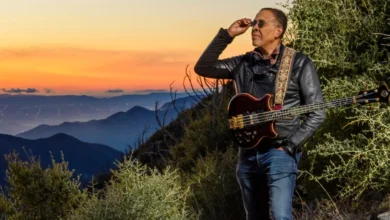
The cover feature of the issue is a detailed interview conducted by Dave Popkin with Roy Rogers, an artist widely regarded as a master of the slide guitar. At 75 years old, Rogers remains a formidable force in the industry, having recently released The Sky’s The Limit, his first solo studio effort in over a decade. The interview traces Rogers’ trajectory from his upbringing in Northern California to his pivotal role as a bandleader and producer.

Rogers’ career is perhaps most defined by his association with the legendary John Lee Hooker. Serving as Hooker’s "right-hand man" for several years, Rogers eventually produced some of Hooker’s most successful later works, including the Grammy-winning album The Healer. This professional relationship not only solidified Rogers’ reputation as a premier guitarist but also as a producer capable of bridging the gap between traditional blues and mainstream rock. His collaborations with Bonnie Raitt further established his versatility, as the two often traded slide riffs that defined the sound of 1990s blues-inflected pop-rock.

In the 2026 interview, Rogers reflects on the nuances of slide guitar, describing it as an instrument that "mimics the human voice." He also discusses the political and social undertones of his new material, specifically the track "He’s a Legend," which uses humor to navigate the complexities of modern American life. Despite his age, Rogers continues to tour with his Delta Rhythm Kings, a band that has remained a consistent entity for 46 years. His longevity is a testament to the "blues as a feeling" philosophy championed by his mentors.

Chicago Legacies: John Primer’s Tribute to Theresa’s Lounge
A significant portion of the issue is dedicated to reviewing the latest recordings that honor the history of the genre. Leading this section is John Primer & Friends with their release, Tribute To Theresa’s Lounge. Primer, a veteran of the bands of Willie Dixon and Muddy Waters, uses this album to pay homage to the legendary South Side Chicago club where he served as the house band guitarist for seven years.

Theresa’s Lounge, once located at 728 E. 43rd Street, was a cornerstone of the Chicago blues scene from the 1950s through the early 1980s. Primer’s new album reunites several musicians who began their careers in that basement club, including Billy Branch, Mary Lane, and Willie Buck. The 13-track collection is a mix of original compositions and covers of songs originally written by Mel London and performed by Junior Wells. Critics have noted that at 90 years old, Mary Lane’s contribution to the album—"Mary’s Song"—serves as a poignant reminder of the dwindling number of original Chicago blues pioneers still actively recording.

Modern Innovations and Sophomore Efforts
The magazine also highlights the work of Russ Green and Chris O’Leary, two artists who are redefining the role of the harmonica in modern blues. Russ Green’s sophomore album, Stone Cold, arrives eight years after his debut, City Soul. Recorded at Rax Trax in Chicago, the album is described as a "muscular" blend of soul-soaked vocals and inventive harmonica playing. Green’s work often incorporates elements of jazz and rock, citing Jimi Hendrix as a primary influence, which distinguishes him from more traditionalist players.

Similarly, Chris O’Leary’s Blue Collar, released on Alligator Records, showcases his background as a former Marine and Federal police officer. O’Leary’s songwriting is noted for its grit and authenticity, drawing on a life of varied experiences. The album features guest appearances by Bob Margolin and Lil’ Ed Williams, further cementing O’Leary’s status within the Alligator Records roster, a label synonymous with high-quality Chicago blues.

Global Reach and Genre-Blending
The 2026 issue demonstrates the global expansion of the blues with reviews of artists like Steve Louw and Alex Kilroy. Louw, a South African singer-songwriter, blends blues-rock with a vocal style reminiscent of the late Ronnie Lane. His album Traces Of The Flood features top-tier Nashville session musicians, illustrating the international nature of modern blues production.

Alex Kilroy’s debut, Break My Chains, offers perhaps the most diverse range of influences in the issue. Born in Transylvania, Romania, and educated at Berklee College of Music, Kilroy’s sound spans soul-blues, pop-rock, and classically inspired arrangements. His ability to incorporate Vince Gill on a bar-room boogie track while maintaining a cohesive blues foundation suggests a shift toward a more eclectic, "big tent" approach to the genre.

Collaborative Projects and Regional Talent
The synergy between established mentors and their protégés is a recurring theme in this issue. Johnny Rawls and Dave Keller’s Tribute to Soul is a prime example. The album, released on Third Street Cigar Records, features the two artists trading vocals on soul classics by Clarence Carter and Joe Tex. The chemistry between Rawls, a soul-blues icon, and Keller, a respected guitarist and singer, highlights the importance of intergenerational collaboration in preserving the soul-blues tradition.

Other notable reviews include:

- Tas Cru: Might Give Out…But I Won’t Give In (Subcat Records). Cru’s eighth album explores a wide range of roots styles, framed by a conceptual nod to Don Quixote.
- The Name Droppers: Let’s Live Together. A Connecticut-based group continuing the legacy of the late Charlie Karp, blending funky grooves with tight horn arrangements.
- Jeff Saxon: Happy Traveling. Saxon introduces a style he terms "Blujanova," integrating jazz, blues, and even professional whistling into his compositions.
- The Trevor B. Power Band: Two Crows. A gritty, New Jersey-based project that leans heavily into blues-rock territory, featuring collaboration with New York guitar ace Dave Fields.
Industry Analysis and Broader Implications
The content of Blues Blast Magazine’s 2026 issue reflects several key trends in the contemporary music industry. First, there is a clear movement toward "tribute" projects that seek to document and preserve the history of specific venues and styles before the original participants are no longer available. Primer’s tribute to Theresa’s Lounge and Rawls’ tribute to soul icons are indicative of this archival impulse.

Second, the geographical boundaries of the blues continue to dissolve. With prominent artists emerging from South Africa and Romania, the genre is no longer strictly an American export but a global language. However, the American Midwest remains the spiritual and economic center for live performance, as evidenced by the continued success of the Prairie Dog Blues Fest.

Finally, the technical quality of modern blues recordings remains exceptionally high. Producers like Kid Andersen (Greaseland Studios) and Rick Barnes (Rax Trax) are mentioned frequently, suggesting that the "sound" of modern blues is becoming as much about sophisticated studio craft as it is about raw performance.

As the summer of 2026 progresses, the features and reviews in this issue of Blues Blast Magazine provide a comprehensive roadmap for where the genre has been and where it is headed. From the slide guitar mastery of Roy Rogers to the historic stages of Wisconsin, the blues remains a vibrant and essential component of the global musical landscape.