Mick Jagger Offers Candid Assessment of Aging, Fame, and The Rolling Stones’ Enduring Ethos

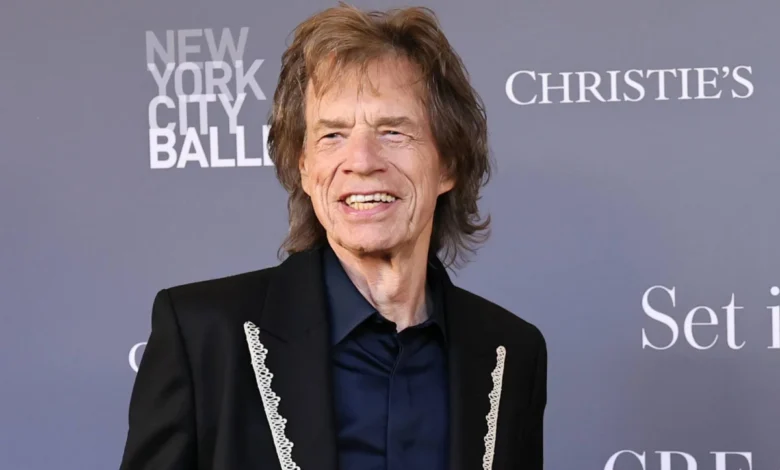
Sir Mick Jagger, the iconic frontman of The Rolling Stones, has offered a strikingly candid assessment of the aging process, fame, and the philosophical underpinnings of his legendary band’s live performances. During a recent appearance on The New York Times’ podcast, The Interview, the 82-year-old rock veteran unequivocally dismissed the notion that age inherently bestows wisdom, stating there is "nothing good" about growing older. These reflections arrive at a moment of renewed creative vigour for The Rolling Stones, following the successful release of their 25th studio album, ‘Foreign Tongues’, and ongoing discussions about future musical projects and live engagements.
A Rock Icon’s Unvarnished View on Aging
Jagger, whose career has spanned more than six decades and is synonymous with boundless energy and youthful defiance, surprised many by articulating a rather pessimistic view on senescence. When prompted about the advantages or disadvantages of advancing years, his response was direct and unembellished. "There’s nothing good about it. Nothing," he asserted, challenging the popular cultural trope of the wise elder. He continued, "You don’t get wisdom. You forget everything. Forgot all my wisdom." This sentiment runs contrary to the romanticized image of aging rock stars often portrayed as sage figures, having accumulated profound insights from a lifetime of extraordinary experiences.
He elaborated on the tangible detriments of aging, noting, "I might have had a couple of pearls, but I’ve forgotten what they are. It’s not particularly pleasant and, of course, you can’t do things as quickly as you want to, and physically you can’t do things that you would like to do. You can still do them, but you have to be more careful." For an artist renowned for his dynamic stage presence – a blend of athletic prowess, dance, and vocal command – these physical limitations represent a significant personal and professional challenge. Jagger’s rigorous fitness regimen, which reportedly includes ballet, yoga, running, and kickboxing, is well-documented, a testament to his dedication to maintaining the stamina required for his performances. His admission underscores the universal reality of physical decline, even for those who have meticulously fought against it.
The cultural narrative surrounding aging, particularly in fields demanding physical vitality like rock music, often oscillates between celebrating longevity and lamenting lost youth. Jagger’s comments provide a rare, unvarnished perspective from someone who has navigated this journey under intense public scrutiny. Unlike many public figures who might present a more optimistic facade, Jagger’s directness offers a relatable, if somewhat melancholic, glimpse into the personal experience of aging. His career, marked by an almost superhuman ability to defy time, makes his statements on its inevitability all the more poignant.
The Isolating Reality of Enduring Fame
Beyond the personal toll of aging, Jagger also delved into the profound and often isolating effects of six decades of unparalleled global fame. He acknowledged that his existence is far from typical. "Obviously, it’s not normal," he remarked. "It is not like most people’s lives. It does affect you. You can become disassociated. From other people." This statement offers a rare insight into the psychological impact of sustained celebrity, a phenomenon that few individuals experience to the degree of The Rolling Stones.
The band’s fame exploded in the 1960s and has never truly waned, creating an existence perpetually under the microscope. This level of recognition can create a profound disconnect from everyday reality, making ordinary interactions extraordinary and public spaces impenetrable. The concept of "disassociation" implies a detachment from the common human experience, a barrier erected by the constant attention, adoration, and scrutiny. Sociological studies on celebrity often highlight the paradoxical nature of fame: while it grants access and influence, it can simultaneously strip away privacy and foster a sense of alienation.
When asked how he personally remains grounded amidst such an extraordinary life, Jagger offered a surprisingly simple antidote: "You go out and walk on the street on your own and do normal things." This desire for mundane normalcy – a quiet walk, an anonymous moment – stands in stark contrast to the arena-filling spectacle he commands on stage. It speaks to a fundamental human need for connection and authenticity, even for someone who has lived a life beyond the wildest dreams of most. This practice of seeking normalcy can be seen as a deliberate strategy to counteract the disassociating effects of his unique professional life.
The Rolling Stones’ Concert Ethos: Escapism Over Lecture
Jagger also elaborated on The Rolling Stones’ enduring philosophy regarding their live performances, articulating a clear preference for escapism over political commentary. In an age where many artists leverage their platforms for social and political advocacy, Jagger maintains that the band’s primary role is to provide a temporary reprieve from the world’s burdens. "The bottom line is that my job in the live music world is to [ensure] people that come have the best time they possibly can, and for two hours forget all their problems and the problems of the world," he explained. "Their mortgages and whatever. Just so they can have the best time."
This approach underscores a deliberate artistic choice to keep the band’s concerts as spaces of pure entertainment and communal joy. He further emphasized this point with a characteristically vibrant phrase: "Your job is to make them go more apeshit. You don’t want to lecture them." This ethos has been a cornerstone of The Rolling Stones’ appeal throughout their storied career. From their early days as rebellious blues-rockers to their current status as rock royalty, their concerts have consistently been high-energy celebrations designed to ignite a primal response in their audience.
This stance differentiates them from contemporaries and younger artists who often weave political messages into their sets. The Stones’ focus on pure performance and musical communion has allowed them to transcend political divides and maintain a broad, multi-generational appeal globally. Their tours, which have consistently ranked among the highest-grossing in music history, are meticulously crafted spectacles that prioritize an immersive, electrifying experience, providing a universal language of rhythm and rebellion that bypasses didacticism. This philosophy arguably contributes to their extraordinary longevity and ability to fill stadiums worldwide, offering a consistent product of unadulterated rock ‘n’ roll escapism.
‘Foreign Tongues’ and a Legacy of Chart Dominance
These revealing interviews coincide with a significant milestone for The Rolling Stones: the release of ‘Foreign Tongues’ on July 10, their 25th studio album. The album swiftly climbed to the top of the UK charts, marking their 15th UK Number One album. This achievement places them level with The Beatles, solidifying both legendary groups in joint-second position on the all-time list for most UK Number One albums by a group. The only artist to surpass this impressive tally is Robbie Williams, who holds the record for the most UK Number One albums overall (combining his solo work and contributions with Take That).
‘Foreign Tongues’ is particularly notable as it represents the band’s first album of entirely original material since ‘A Bigger Bang’ in 2005, following the 2016 blues covers album ‘Blue & Lonesome’. Its success underscores the band’s enduring creative vitality and commercial appeal, nearly two decades after their last original studio effort. The album’s critical reception, including a three-and-a-half-star review from NME, praised their surprising "purple patch," noting, "Mick, Keith and Ronnie have hit a surprising purple patch – and if you believe the eternally energetic entertainer’s claim that he’s already writing the follow-up to ‘Foreign Tongues’, there’s plenty more left in the tank." This critical affirmation, combined with chart success, demonstrates that The Rolling Stones continue to be a relevant and impactful force in contemporary music, rather than simply a nostalgic act. The album’s triumph also carries a poignant significance as it features contributions from their late drummer, Charlie Watts, who passed away in August 2021, making it a powerful testament to the band’s enduring spirit and collective artistry.
The Road Ahead: New Music and Future Tours
Despite his personal reflections on the challenges of aging, Jagger’s professional outlook remains resolutely forward-looking. He confirmed to NME that he remains creatively active and has already commenced writing new material, hinting at the possibility of a "trio of records." While he noted that these new compositions "could be for other people," the prospect of further Rolling Stones albums is a tantalizing one for fans. This ongoing songwriting effort suggests a deep well of inspiration that continues to flow, even as the band enters its seventh decade.
Looking further ahead, Jagger also expressed optimism about The Rolling Stones returning to the live stage. While he ruled out shows for the current year, he articulated a hopeful vision for performances in 2027. "Hopefully [we haven’t played our last show]," he told NME. "I don’t think there’ll be shows this year, but I hope to do some next year for the Stones." The prospect of future tours, even as the band members advance in years, speaks to their unwavering dedication to their craft and their audience. The physical demands of touring at their age are immense, yet the desire to perform remains a powerful driving force.
The band’s ability to continue creating new music and planning tours, even after the profound loss of Charlie Watts, showcases their resilience and commitment to their collective legacy. Watts’ passing marked a significant emotional and musical shift, yet the band, with Steve Jordan stepping in on drums, has found a way to continue their journey. The potential for more albums and tours in the coming years reinforces The Rolling Stones’ status not merely as a historical act, but as an ongoing cultural phenomenon, continually defying expectations and redefining the limits of rock and roll longevity. Jagger’s candid admissions about aging and fame offer a rare glimpse behind the curtain of an extraordinary life, yet they do little to diminish the powerful, almost mythical, aura of The Rolling Stones as they continue to roll on.
Related posts: