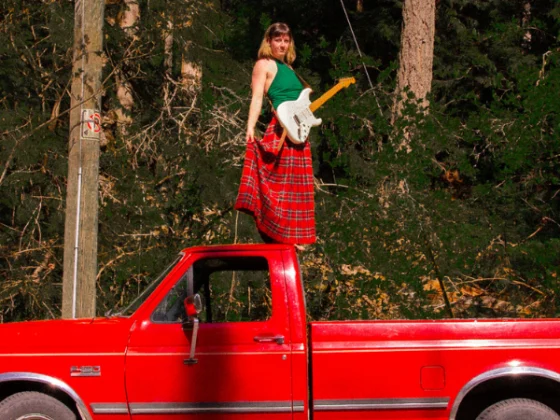
Luna Day’s debut album, "Hostage of the Heart," is a profound exploration of vulnerability, obsession, and the universal yearning for love and belonging. The project, which began to take shape during the artist’s high school years, has evolved into a cohesive and deeply personal body of work. This album is not merely a collection of songs; it’s a meticulously crafted narrative, a sonic diary that chronicles the artist’s growth, both personally and artistically, over several formative years.
The genesis of "Hostage of the Heart" can be traced back to a period of intense self-discovery for Day. "I found throughout the process of making this record that the songs naturally built upon themselves, and the story unfolded as I developed my songwriting," Day explains. This organic evolution allowed each track to become a distinct snapshot of the artist’s state of being at the time of its creation. "It felt special because I not only got to enjoy making a world within the album, but each song captured a pocket of time of who I was when I wrote it. I got to watch myself develop and evolve throughout the creation of the album, and capture those moments in a bottle." This self-documentation underscores the album’s authenticity and its power to resonate with listeners who have experienced similar journeys of personal growth and artistic maturation.
At its core, "Hostage of the Heart" delves into the complexities of a narrator grappling with themes of obsession, insecurity, and an insatiable desire for validation and love. When asked about the extent to which these narratives are drawn from personal experience, Day offers a candid response: "I would say that these songs are distilled versions of who I am, it’s my pure emotions filtered down through language." This raw emotional honesty is a cornerstone of the album’s appeal. The concept itself was ignited by a pervasive feeling of being an outsider. "It was definitely drawn from my experiences of always being on the outside looking in growing up, and that feeling sparked the concept for what became the record." This sentiment of feeling on the periphery is a common thread in the human experience, making the album’s themes universally relatable.
The artist’s willingness to embrace vulnerability in her songwriting is remarkable. Describing the project as sounding "straight from your diary," Day confesses no difficulty in this regard. For her, vulnerability is not a source of apprehension but a powerful tool for connection. "I strangely have never had any difficulty with vulnerability in songwriting. I’ve always just seen it as connection. I get excited putting something out that is honest because I think of who might relate to it." This perspective transforms songwriting from an intimidating act of confession into a form of documentation, a way to externalize internal landscapes and share them with the world. "Songwriting has also always been a form of a diary for me, so it feels more like documentation than an intimidating confession." This approach allows listeners to feel a profound sense of kinship with the artist, recognizing their own struggles and emotions reflected in the lyrics.
One particularly striking aspect of the album’s development is the story behind the track "Shotgun Lovers." Initially, this song was not intended for release. However, its reception during live performances proved to be a turning point. "Originally, ‘Shotgun Lovers’ was never supposed to see the light of day, but I realized after performing it live that it needed to be part of the record, and it being so personal was what made it so special," Day reveals. The raw, cathartic energy generated by the song on stage was too potent to be contained. "It had this raw and cathartic energy onstage that I wanted to bring into the studio and capture." This decision highlights the dynamic interplay between live performance and studio recording, demonstrating how audience reaction can profoundly shape an artist’s creative output.
The album’s structure itself is a testament to its conceptual depth. It embarks on an emotional journey, moving from the introspective vulnerability of "Adequate, at Best" to the intense emotional landscape of "Addicted." This progression was a deliberate artistic choice. "I always had the concept in my mind of beginning the record with this feeling of insecurity and desire, and having it build up to this strange, chaotic acceptance," Day explains. The narrative arc feels intrinsically linked to the core themes of wanting to be chosen and loved. "The storyline felt very inherent and organic because the songs also came from a place of wanting to be chosen and loved as a person. They all just fell into place as I wrote them, which was a really special thing to experience." This seamless integration of narrative and musicality elevates "Hostage of the Heart" beyond a typical album release, positioning it as a cohesive artistic statement.
Musically, "Hostage of the Heart" is a rich tapestry of influences. Day masterfully blends dreamy Omnichord textures, vintage-inspired guitar riffs, and lush string arrangements with contemporary pop production. This sonic palette is a deliberate fusion of past and present, reflecting a deep appreciation for musical history. "I grew up listening to a lot of Queen, The Cure, and The Smiths, which definitely helped form the sound. I love marrying vintage influences with modern production." The artist also cites the influence of ’70s and ’80s pop and rock music, which contributed to the album’s genre-bending quality. Specific instruments, like the Omnichord and vintage organs, were also key in shaping the album’s unique sonic identity. This thoughtful approach to production creates an immersive listening experience that is both nostalgic and refreshingly modern.
Beyond the auditory, Luna Day has cultivated a distinct visual identity that is intrinsically linked to the album’s storytelling. From the hand-painted album artwork to the thoughtfully designed merchandise, the visual world of "Hostage of the Heart" is an integral part of the narrative. "The visual world really unfolded and formed alongside the songs as I was writing them, and I’ve always seen the music visually just as much as I hear it sonically. The line was always blurred," Day states. Her lifelong passion for painting, predating her musical aspirations, has provided a unique lens through which to approach her art. "I’ve been painting my entire life, and before I wanted to be a musician I wanted to be an artist, so building the record through a visual lens has been my way of marrying my two passions." This dual artistic engagement makes the project feel deeply personal and tangible. "Being so involved in the visual world also makes the project feel so tangible to me, even down to the color scheme. It makes it feel real, and it’s gratifying transferring how it looks in my head onto paper."
A significant aspect of Luna Day’s artistry is her commitment to fostering a strong sense of community among her fans. Through handmade bracelets, candles, and personal interactions, she actively cultivates a connection that transcends the typical artist-audience dynamic. "Creating a sense of community is so important to me because, in my mind, music is community," she asserts. The album’s themes of isolation and the craving for connection resonate deeply with listeners, making the creation of this supportive environment a natural extension of the music itself. "When I started this project, I wanted to connect, and the concept of the record itself is about craving connection and not always feeling like you’re enough." The feedback she receives from fans about the impact of her music is profoundly meaningful. "It feels very special to me that people resonate with that, and being able to hear about the impact of the music or someone having a similar experience is everything to me."
Day’s consistent championing of individuals who identify as outsiders further amplifies the album’s message of belonging. For listeners who share these feelings of being on the fringes, "Hostage of the Heart" offers a powerful sense of validation. "I hope listeners take away a sense of belonging within the record, that being on the outside or being ‘too much’ can be a gift," she expresses. The underlying hope is that the album creates a space where these feelings are not only understood but celebrated. "I love the idea that within the record, there’s a group of people who relate to not feeling like they belong and therefore belong to that group of people. I want them to know they aren’t alone in that feeling." This communal aspect transforms the listening experience into an act of solidarity.
With the album’s release coinciding with her first headline tour, the prospect of bringing these deeply personal songs to a live audience is met with immense excitement. Day envisions the live shows as immersive experiences, drawing inspiration from musical theater. "I am the most excited for everyone to see and hear the project in its purest form, and to be fully immersed in the story. I was heavily inspired by musical theater when we were building out these shows, and I wanted it to feel like you’re stepping into the world and living in it." The debut performance of the album at the iconic Troubadour in Los Angeles prior to its official release was a pivotal moment, marked by an "unreal" energy. "I was able to debut the album before it was released on opening night in Los Angeles at the Troubadour, and the energy was absolutely unreal. To be able to play the music in such a realized way to such a packed crowd was so special."
The live shows are characterized by an palpable sense of community and shared enthusiasm, with fans often embracing the album’s aesthetic, such as dressing in red and black. "There’s also such an incredible sense of community and enthusiasm at these shows. I’m looking forward to hearing people sing back the lyrics and seeing everyone dressed in red and black. It’s something really remarkable and surreal, and I feel incredibly lucky to experience it." This collective experience underscores the profound connection Luna Day has forged with her audience, transforming "Hostage of the Heart" into a shared journey of self-discovery and acceptance.
Connect with Luna Day:
Instagram: https://www.instagram.com/itslunaday/
Website: https://lunadaymusic.com/