Morphoice Unveils EightyTen: A Dual Roland Vintage Synth Emulation in Free Beta

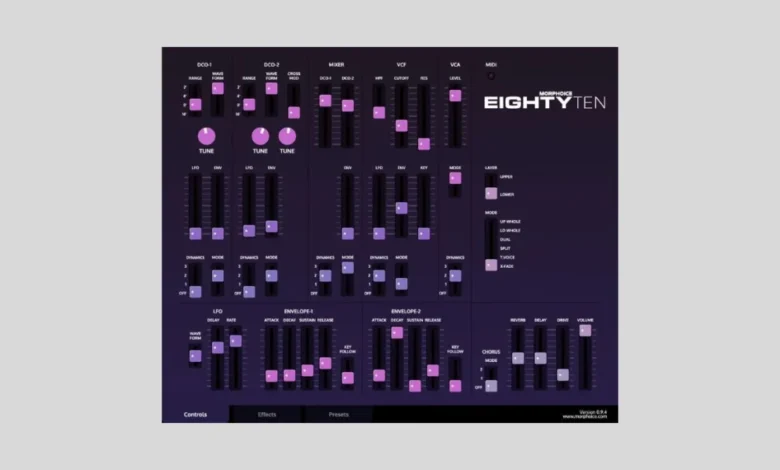
Developer Morphoice has announced the release of EightyTen, a new virtual instrument that faithfully emulates the sonic characteristics of two iconic Roland synthesizers: the JX-8P and the SuperJX-10 (also known as the MKS-70 in its rackmount configuration). Currently available as a free beta, EightyTen represents Morphoice’s continued commitment to bringing sought-after vintage synth sounds to modern digital audio workstations. This release follows a series of successful emulations from the developer, including the Yamaha CS-80 ("Unstable"), the Roland Juno-6 ("EightySix"), and the Roland Jupiter-8 ("EightyEight"), all of which have garnered attention from electronic music producers and synth enthusiasts.
The EightyTen beta operates on a similar model to its predecessors. While the software is free to download and use during its development phase, users are encouraged to make contributions of $10 or more to receive a lifetime license. This approach allows for broad accessibility during testing while providing a pathway for continued development and support. Morphoice has indicated that future paid versions may render the beta inaccessible, underscoring the value of supporting the project during its early stages.
The synthesizer architecture emulated by EightyTen is rooted in Roland’s advanced analog synthesis technology of the mid-1980s. The JX-8P, released in 1985, was a powerful six-voice polyphonic analog synthesizer known for its rich, warm pads, cutting leads, and complex evolving textures. It featured two DCOs (Digitally Controlled Oscillators) per voice, a resonant low-pass filter, a non-resonant high-pass filter, and two ADSR envelope generators, offering a substantial palette for sound design. Its integration into the SuperJX-10 and MKS-70 models amplified its capabilities.
The SuperJX-10, launched in 1986, and its rackmount counterpart, the MKS-70, essentially housed two JX-8P sound engines within a single unit. This design dramatically increased polyphony to twelve voices and allowed for sophisticated layering and splitting of sounds. Users could stack two six-voice patches, each with its own unique timbral characteristics, to create immense, expansive sonic landscapes that were a hallmark of the era’s professional keyboard rigs. The SuperJX-10 also featured Roland’s renowned built-in stereo chorus effect, a signature sound that added depth and shimmer to its analog tones, a feature meticulously recreated in EightyTen.
The JX-8P and SuperJX-10: A Legacy of Analog Power
The JX-8P, in particular, occupied a unique niche in Roland’s synthesizer lineage. While Roland was celebrated for its iconic Jupiter and Juno series, the JX-8P offered a slightly different flavor, characterized by its dual DCOs and the distinctive Cross Modulation feature. This capability allowed the pitch of one DCO to be modulated by the output of the other, a technique that opened the door to FM-like timbres and a broader range of metallic and complex harmonic textures. This feature is particularly noteworthy for its ability to approximate the FM synthesis sounds popularized by Yamaha’s DX7, enabling producers to achieve similar timbres without needing a separate instrument. The article mentions the possibility of recreating the sounds of Chaka Khan’s "I Feel For You," a track often associated with FM synthesis, highlighting EightyTen’s potential for sonic versatility.
The architectural sophistication of the SuperJX-10 and MKS-70 was a direct response to the growing demands for more polyphony and sound layering capabilities in professional music production. By doubling the JX-8P engine, Roland provided musicians with a powerful tool for creating lush pads, intricate arpeggios, and layered lead sounds that defined much of the synth-pop, new wave, and soundtrack music of the late 1980s. The ability to combine two distinct six-voice patches allowed for a level of sonic depth and complexity that was difficult to achieve with single-engine synthesizers.
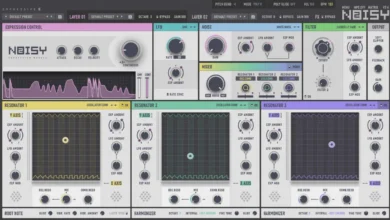
Morphoice’s EightyTen aims to capture this sonic richness and functional flexibility. The emulation reportedly includes the core features of both the JX-8P and the SuperJX-10/MKS-70. This includes the precise recreation of the JX-8P’s dual DCOs, the versatile filter section (a 24 dB/octave low-pass filter and a non-resonant high-pass filter), the dual ADSR envelope generators per voice, and Roland’s iconic stereo chorus with its distinct fast and slow modes. Furthermore, the emulation is designed to respond to velocity and aftertouch, mirroring the expressive control offered by the original hardware, which was crucial for nuanced performances. The inclusion of a "PG-800-style interface" suggests that Morphoice has focused on providing a user-friendly graphical interface that mimics the dedicated hardware programmer for the JX-8P and SuperJX-10, simplifying parameter access and sound design.
Beyond Emulation: Added Modern Functionality
A characteristic of Morphoice’s releases has been the inclusion of modern features that extend beyond the capabilities of the original vintage hardware. EightyTen is no exception. The beta version incorporates several contemporary effects that enhance its sonic potential. These include the "DarkStar Reverb," which is inspired by the advanced algorithms found in the Strymon BigSky reverb unit, offering a wide array of modern reverb textures. Additionally, a "lo-fi tape delay" provides classic analog delay sounds with the characteristic warmth and degradation of tape. Completing the suite of added effects is the "HeatBurn drive and distortion," a module designed to impart analog grit, saturation, and aggressive distortion to the synthesized sounds. These additions allow EightyTen to bridge the gap between vintage analog warmth and modern sonic experimentation, offering producers a versatile toolkit for a wide range of musical genres.
The availability of EightyTen in AU, VST, and VST3 formats for macOS, Windows, and Linux ensures broad compatibility with most modern digital audio workstations. This cross-platform support makes the beta accessible to a vast number of producers, regardless of their operating system or preferred software.
Morphoice’s Track Record in Vintage Synth Emulation
Morphoice has steadily built a reputation for its dedication to emulating classic synthesizers. Their previous releases have been met with positive reception from the electronic music community, often praised for their sonic accuracy and accessibility.
- Unstable (Yamaha CS-80 Emulation): Released prior to EightyTen, this emulation aimed to capture the monumental sound of the Yamaha CS-80, a polysynth renowned for its expressive ribbon controller and rich, evolving timbres. The "Unstable" moniker suggests a very early, perhaps experimental, stage of development for this particular emulation.
- EightySix (Roland Juno-6 Emulation): This beta focused on the beloved Roland Juno-6, a more accessible yet equally iconic analog polysynth. The Juno series is famous for its signature chorus effect and its ability to produce warm pads and bright basses.
- EightyEight (Roland Jupiter-8 Emulation): Emulating the legendary Jupiter-8, one of the most revered analog polyphonic synthesizers ever made, EightyEight aimed to bring the sound of this highly sought-after instrument to a wider audience. The Jupiter-8 is known for its lush pads, powerful basses, and iconic lead sounds.
The consistent release of these high-profile emulations within a relatively short timeframe highlights Morphoice’s prolific development pace and their clear focus on preserving and reinterpreting vintage synthesizer sounds. The strategy of offering free beta versions, with an option for lifetime licenses through contributions, has proven to be an effective model for community engagement and sustainable development.
The Significance of Vintage Synth Emulations in Modern Production
The enduring appeal of vintage synthesizers lies in their unique sonic characteristics, which are often attributed to their analog circuitry. These instruments were designed and built during a period of rapid innovation in electronic music technology, and their sounds have shaped countless iconic recordings across various genres, from electronic dance music and pop to film scores and ambient music.
- Sonic Character: Analog synthesizers, with their discrete components and inherent imperfections, often produce a warmth, depth, and "organic" quality that can be difficult to replicate with digital emulations. Features like analog drift, filter saturation, and the behavior of analog oscillators contribute to a sound that many producers find inimitable.
- Workflow and Interface: Many vintage synths also offer a hands-on, tactile experience with dedicated knobs and sliders, which can foster a more intuitive and creative workflow compared to menu-diving on complex digital interfaces. Emulations that successfully capture this interface experience, like the mentioned "PG-800-style interface" in EightyTen, are highly valued.
- Historical and Cultural Value: Beyond their sonic qualities, vintage synthesizers hold significant historical and cultural value. They represent pivotal moments in the evolution of music technology and have been used by legendary artists, making them objects of desire for collectors and musicians alike.
The development of accurate software emulations allows a new generation of producers to access these sounds without the prohibitive cost and maintenance requirements of acquiring and maintaining vintage hardware. While purists may argue that software cannot perfectly replicate the nuances of analog circuits, modern emulations have reached an impressive level of fidelity, offering a compelling and practical alternative.
Potential Implications and Community Reaction
The release of EightyTen in beta is likely to be met with enthusiasm by the electronic music production community. Given Morphoice’s track record, expectations for the sonic accuracy and usability of this emulation are high. The inclusion of the JX-8P and SuperJX-10/MKS-70 fills a niche for those seeking the specific sonic palette of these Roland instruments, which are less commonly emulated than some of their Jupiter or Juno counterparts.
The "free beta with donation for lifetime license" model, while not unique, has proven successful for Morphoice. It allows for widespread testing and feedback, which is invaluable for refining the product. It also fosters a sense of community involvement, where users feel a direct contribution to the development process. The $10 donation threshold is remarkably accessible, making it feasible for a large number of users to secure a permanent license.
The added modern effects—DarkStar Reverb, lo-fi tape delay, and HeatBurn drive—are a significant value proposition. They position EightyTen not just as a faithful vintage emulation but as a versatile modern instrument capable of producing a wide range of contemporary sounds. This integration of vintage character with modern sonic manipulation tools is a trend that continues to resonate with producers looking for unique and inspiring sound sources.
The fact that the beta might cease to function if future versions become paid is a common practice in software development, especially for independent developers. It incentivizes early adoption and support while allowing the developer flexibility in their business model. Users who wish to continue using the software long-term are encouraged to contribute.
Looking Ahead
Morphoice’s commitment to releasing these emulations suggests a long-term vision for their software catalog. By systematically covering key instruments from major manufacturers like Roland and Yamaha, they are building a comprehensive library of vintage synth sounds. The success of EightyTen will likely depend on its technical performance, sonic accuracy, and the ongoing support and updates provided by the developer.
For producers interested in the distinctive sounds of the Roland JX-8P and SuperJX-10/MKS-70, EightyTen presents an immediate and accessible opportunity to explore these classic architectures. The beta period offers a risk-free way to evaluate the instrument, and the donation model provides a clear path to ownership. As with all beta software, users should exercise caution and ensure they have backups of their work, but the potential rewards of early access to such a promising emulation are considerable.
The release of EightyTen by Morphoice continues to democratize access to the sounds that have defined electronic music for decades, offering a potent blend of analog heritage and digital convenience.
Download: EightyTen (FREE Beta on Gumroad – get the lifetime license by donating $10 or more)