2026 Newport Jazz Festival Lineup Unveiled as Artistic Director Nate Smith Sets New Vision for Historic 72nd Edition at Fort Adams State Park

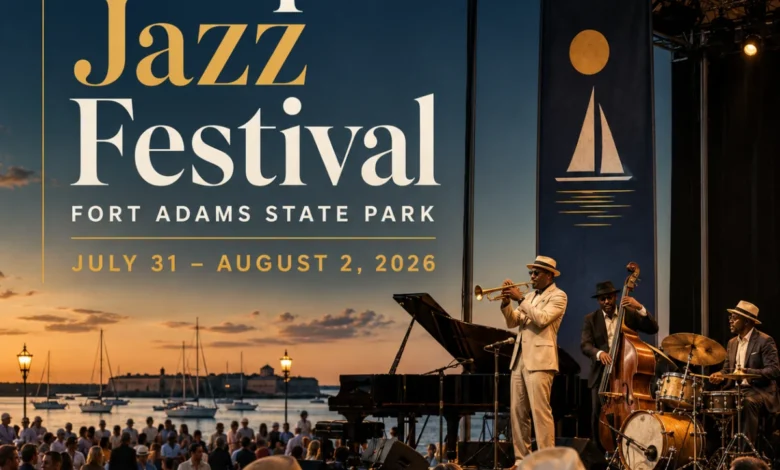
The 2026 Newport Jazz Festival has officially announced its full programming for its upcoming edition, scheduled to take place from July 31 through August 2 at the historic Fort Adams State Park in Newport, Rhode Island. This year’s festival marks a momentous transition in the event’s 72-year history, as it welcomes Grammy-winning drummer, composer, and bandleader Nate Smith as its new artistic director. Smith succeeds the acclaimed bassist Christian McBride, becoming only the third individual to lead the festival’s creative direction, following in the footsteps of McBride and the legendary festival founder George Wein. The 2026 program reflects a bold, multi-generational vision that balances the preservation of jazz’s foundational history with an aggressive embrace of the genre’s evolving present, featuring a lineup of more than 50 artists performing across four stages over the three-day weekend.
The announcement comes at a time of unprecedented demand for the festival, with organizers confirming that all primary ticket tiers are currently sold out. Prospective attendees are being directed to the official waitlist and the festival’s authorized fan-to-fan ticket exchange via the DICE platform. This sell-out status underscores the enduring cultural capital of Newport Jazz, which remains a cornerstone of the international music calendar, drawing thousands of fans to the Narragansett Bay waterfront each summer.
A New Era of Artistic Leadership
The appointment of Nate Smith as artistic director represents a strategic shift for the Newport Jazz Festival. Smith, widely recognized for his work with the funk-fusion group The Fearless Flyers and his own "Kinfolk" project, brings a rhythmic and contemporary sensibility to the curation process. His inaugural lineup suggests a desire to dissolve the traditional boundaries between jazz, soul, R&B, hip-hop, and global improvisational music.
Industry analysts and festival historians note that Smith’s programming reflects the "Newport ethos" established by George Wein—a commitment to diversity and the "big tent" philosophy of jazz. By placing emerging voices like Little Simz and Thundercat alongside icons like Herbie Hancock and Charles Lloyd, Smith is positioning Newport as a living laboratory for musical cross-pollination. The transition from Christian McBride to Smith is seen as a passing of the torch to a leader who is deeply embedded in the modern New York and international scenes, ensuring the festival remains relevant to younger demographics while honoring the veteran aficionados who have attended for decades.
Friday, July 31: Genre-Defying Openers and Global Virtuosity
The festival’s opening day on Friday sets a high-energy tone with a lineup that emphasizes the rhythmic intersections of jazz and modern grooves. Headlining the first day is the minimalist funk powerhouse Vulfpeck, a group known for its virtuosic musicianship and cult-like following. They are joined by Robert Glasper, a central figure in the contemporary jazz-hip-hop fusion movement, who will be performing with special guests Bilal and Ari Lennox. This collaboration highlights Glasper’s ongoing influence as a bridge-builder between the Blue Note tradition and modern R&B.
Friday’s schedule also features a significant international presence, including sitar virtuoso Anoushka Shankar and the innovative trumpeter Chief Adjuah (formerly Christian Scott), whose "Stretch Music" philosophy has redefined the parameters of the trumpet in the 21st century. The day is further bolstered by performances from:
- Little Simz: The British rapper’s inclusion signals Newport’s recognition of hip-hop’s linguistic and rhythmic debt to jazz.
- Charles Lloyd Sky Quartet: Featuring Jason Moran, Larry Grenadier, and Kweku Sumbry, this ensemble represents the pinnacle of spiritual and lyrical jazz.
- Bernard Purdie & Friends: The legendary "Hit Maker" drummer brings a sense of deep-pocket history to the waterfront.
- Rising Stars: Performances by bassist Mohini Dey, saxophonist Braxton Cook, and the Montréal-based duo Angine de Poitrine emphasize the festival’s role as a platform for discovery.
Saturday, August 1: Legacy Tributes and Contemporary Powerhouses
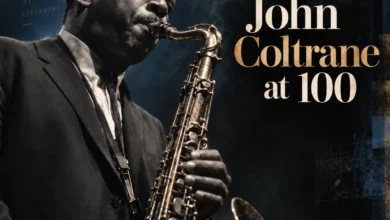
The centerpiece of Saturday’s programming is a specially commissioned project titled “Sonny Miles on a Trane.” This performance, featuring saxophonist Kamasi Washington and Chief Adjuah, is designed as a thematic exploration of the legacies of three of jazz’s most influential figures: Sonny Rollins, Miles Davis, and John Coltrane. By pairing Washington’s maximalist, spiritual approach with Adjuah’s avant-garde sensibilities, the festival aims to create a sonic dialogue between the mid-century titans and the leaders of the current "New Jazz" renaissance.
Saturday also showcases the sheer breadth of modern improvisational music with a deep roster of talent:
- Gary Clark Jr.: The blues-rock titan’s appearance underscores the historical link between the blues and jazz traditions.
- Jon Batiste Trios: The multi-Grammy and Oscar winner returns to his jazz roots in a trio format, offering a more intimate look at his piano mastery.
- Cory Wong with Joshua Redman: A collaboration between the high-octane funk guitarist and the sophisticated saxophonist promises a blend of technical precision and accessible melody.
- Snarky Puppy: The Grammy-winning collective continues to be a major draw for fans of large-ensemble fusion.
- Experimental Ensembles: The day includes a highly anticipated set from Atomic Habitz, featuring Marcus King, Chris Dave, and MonoNeon, as well as the Billy Hart Quartet and Terri Lyne Carrington + Social Science, the latter of which focuses on jazz as a medium for social commentary.
The inclusion of Linda May Han Oh, Ambrose Akinmusire, and Tyshawn Sorey in a single ensemble further highlights Saturday’s focus on high-level, complex contemporary composition, catering to the "serious" jazz listener while the larger stages host more crossover-oriented acts.
Sunday, August 2: Legendary Closures and Future Visions
The final day of the 2026 festival is headlined by one of the most significant figures in the history of the music: Herbie Hancock. As a veteran of the Miles Davis Second Great Quintet and a pioneer of electronic jazz-funk, Hancock’s presence at Newport is a reminder of the festival’s enduring prestige. At 86 years old in 2026, Hancock remains a vital force, continuously updating his sound and mentoring younger musicians.
Sunday’s bill is also notable for the "farewell tour" appearance of The Bad Plus. For over two decades, The Bad Plus has been instrumental in expanding the piano trio format by incorporating influences from rock and avant-garde music. Their performance at Newport marks a poignant chapter in the festival’s history as the group prepares to conclude its current iteration.
Other Sunday highlights include:
- Thundercat: The bass virtuoso and producer brings his unique blend of "space-age" soul and jazz fusion to the main stage.
- Flea and the Honora Band: The Red Chili Peppers bassist continues his exploration of jazz and improvisational music, a passion he has fostered through the Silverlake Conservatory of Music.
- Global Jazz Perspectives: South African pianist Nduduzo Makhathini and trumpeter Marquis Hill provide a look at the spiritual and rhythmic innovations happening within the global jazz diaspora.
- Vocal Excellence: Performances by Arlo Parks, Celeste, and Michael Mayo highlight the continuing evolution of jazz-influenced vocal storytelling.
Historical Context: Fort Adams and the Newport Legacy
The choice of Fort Adams State Park as the venue remains central to the festival’s identity. Since moving to the fort in 1981, the festival has utilized the site’s natural acoustics and panoramic views of the Atlantic Ocean to create an immersive experience. The fort, a former United States Army post completed in 1857, provides a stark, stony contrast to the fluid nature of the music performed within its walls.
The Newport Jazz Festival, founded in 1954 by Elaine and Louis Lorillard and organized by George Wein, was the first outdoor jazz festival in the United States. It has been the site of legendary moments, including Miles Davis’s 1955 comeback, Duke Ellington’s 1956 "diminuendo and crescendo in blue" featuring Paul Gonsalves’s 27-chorus solo, and the introduction of countless artists to the world stage. By reaching its 72nd edition in 2026, the festival reinforces its status as the "grandfather" of the modern festival circuit, surviving shifts in musical trends, economic downturns, and the COVID-19 pandemic.
Logistical Information and Economic Impact
With gates opening at 10 a.m. and music commencing at 11 a.m. daily, the festival is a major economic driver for the city of Newport and the state of Rhode Island. Local hospitality experts estimate that the festival weekend generates millions of dollars in revenue for area hotels, restaurants, and transport services.
The 2026 edition’s rapid sell-out suggests that the "experience economy" remains robust, particularly for legacy events that offer a curated, high-quality environment. The use of the DICE platform for ticket management and the official waitlist reflects a modern approach to combating ticket scalping and ensuring that passes remain in the hands of genuine fans. Organizers have reiterated that no tickets will be sold at the gate, and fans are urged to avoid third-party resellers to prevent fraud.
Analysis: The State of Jazz in 2026
The 2026 lineup serves as a barometer for the current state of the jazz industry. Under Nate Smith’s direction, Newport is leaning into a "post-genre" reality where the technical proficiency of jazz is applied to a wide array of musical styles. The presence of artists like Little Simz and Vulfpeck alongside John Scofield and Dave Holland indicates that "jazz" is increasingly being defined not by a specific sound (such as swing or bebop), but by an approach to improvisation and artistic freedom.
Furthermore, the inclusion of several "all-star" collaborations and tribute sets (such as the Sonny Miles on a Trane project) suggests that the festival is moving toward creating "exclusive" content that cannot be seen elsewhere. This strategy helps Newport maintain its competitive edge against a growing number of summer music festivals.
As the 72nd Newport Jazz Festival approaches, the conversation between the music’s storied past and its unpredictable future remains as vibrant as ever. From the spiritual lyricism of Charles Lloyd to the futuristic fusion of Thundercat, the 2026 program offers a panoramic view of a genre that refused to be static, ensuring that the legacy of George Wein continues to flourish under the new stewardship of Nate Smith.