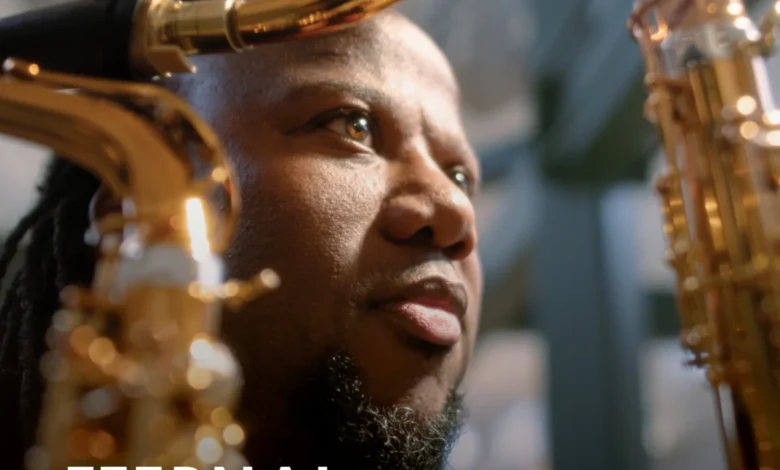
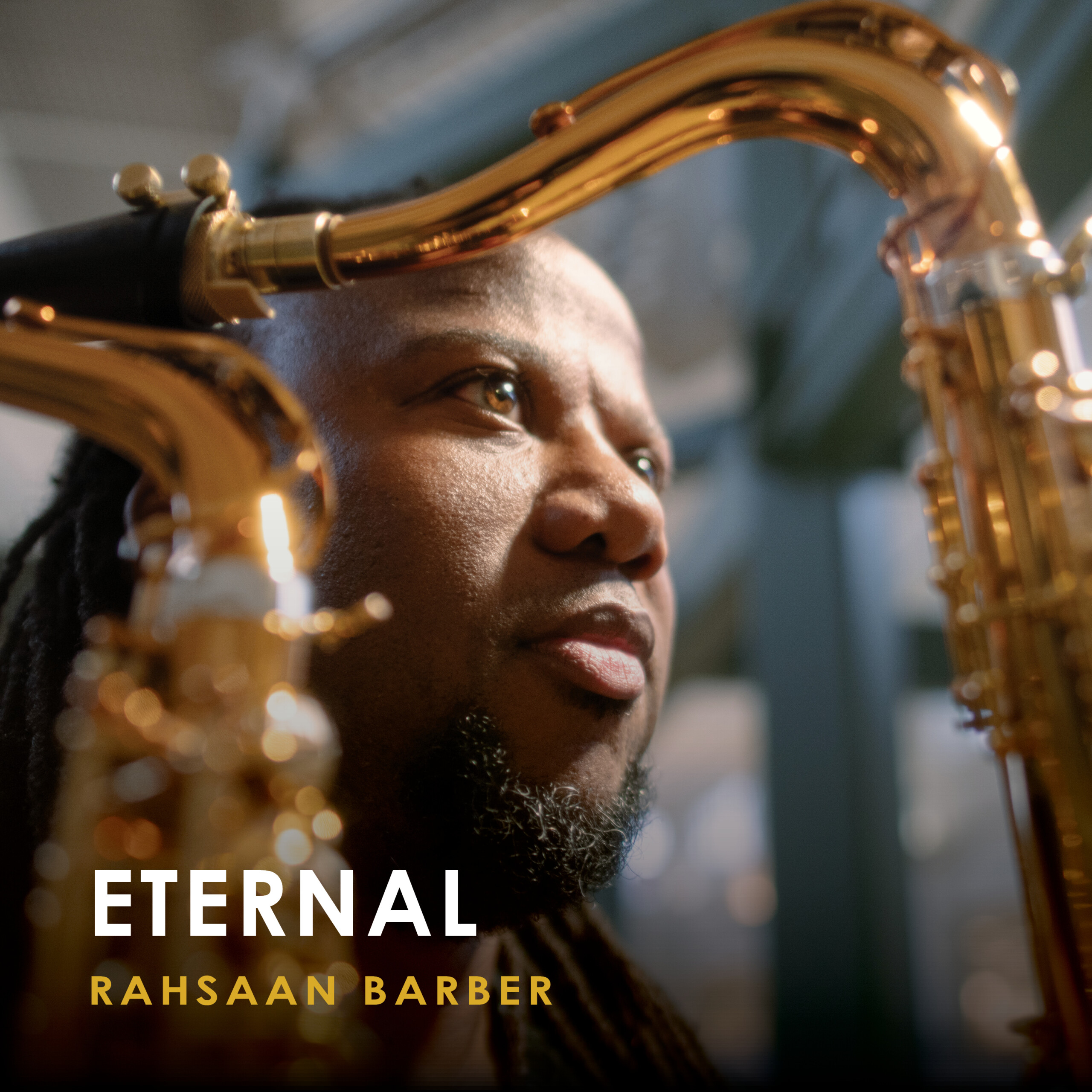
The title track of saxophonist Rahsaan Barber’s latest studio album, Eternal, serves as a poignant testament to the intersection of personal tragedy and artistic expression. While the composition itself is characterized by a swift, relentless rhythmic current, the underlying resonance is one of profound spiritual longing and unvarnished emotional weight. The recording process for this project occurred during a period of acute personal loss for the North Carolina-based musician, transforming what was intended to be a celebration of new life into a vessel for processing grief.
A Chronology of the Recording Sessions
The genesis of the track, originally subtitled "Awaiting Zora," was rooted in anticipation. Barber and his wife had been preparing for the arrival of their child, and the music was composed with a sense of hopeful expectation. However, the trajectory of the album’s development shifted abruptly when, just days before the ensemble was scheduled to enter the studio, Barber received the news that his wife had suffered a miscarriage.
Despite the devastating nature of the loss, Barber chose to proceed with the recording sessions. The sessions, which took place in an environment of high professional expectations, saw Barber accompanied by a dedicated ensemble: bassist Kevin Beardsley, pianist Matt Endahl, drummer Joshua Hunt, and the latest addition to the group, guitarist Ted Ludwig.
The recording session became an exercise in vulnerability. Barber has since described the experience as a period of profound emotional breakdown within the sound booth, yet he credits the musicians around him for providing the stability necessary to finish the work. The resulting performance captures a singular moment in time where the music serves as both a documentation of sorrow and a mechanism for survival.
Musical Composition and Technical Execution
Musically, the track "Eternal" functions as a complex dialogue between technical precision and raw human expression. The composition begins with a foundational riff from bassist Kevin Beardsley, which establishes the brisk, driving momentum maintained by drummer Joshua Hunt. This structural framework allows for the harmonic explorations of pianist Matt Endahl and the fluid, high-velocity guitar lines of Ted Ludwig.
The centerpiece of the track is Barber’s saxophone solo. Listeners have noted that his phrasing evokes the visceral, searching intensity of jazz icons such as John Coltrane or Pharoah Sanders. Barber’s use of overblowing—a technique that pushes the instrument past its standard tonal range—creates a piercing, vocal-like cry. This intensity is momentarily tempered by a Latin-tinged solo from Endahl, which introduces a lighter, more rhythmic texture. However, as the piece concludes, the initial tension returns. The final passage of the track is marked by a return to the haunting, wailing quality that mirrors a state of grief, leaving the listener with a sense of unresolved longing that mirrors the circumstances of the album’s creation.
The Role of the Ensemble in Therapeutic Artistry
The collaboration between Barber and his bandmates represents a significant example of the "force field" effect in creative environments. In professional recording contexts, the pressure to deliver a polished product often conflicts with the presence of personal distress. Barber’s experience highlights the importance of interpersonal relationships in the music industry, particularly when artists are navigating traumatic life events.
"I was just so fortunate to be surrounded by not just great musicians, but great people who could deal with someone who broke down in the sound booth as they were playing," Barber noted in recent discussions regarding the album. The band’s ability to remain steady while their bandleader navigated a period of intense mourning provided a container for the music to be captured in its most authentic form. This dynamic allowed the recording studio to function as a therapeutic space rather than a cold, technical environment.
Contextualizing Jazz as a Vessel for Grief
The use of jazz as a vehicle for processing personal trauma is well-documented within the genre’s history. From the spiritual intensity of Coltrane’s A Love Supreme to the blues-infused lamentations of Billie Holiday, the history of jazz is intrinsically linked to the expression of suffering. By channeling the loss of his child into his performance, Barber joins a lineage of musicians who have utilized improvisation and composition to translate grief into something tangible and, ultimately, life-affirming.

The broader implications of this project for Barber’s career are significant. By choosing to share the context of "Eternal," he has shifted the listener’s perspective from viewing the track as a purely technical composition to viewing it as a documentary of human endurance. This approach to music-making underscores a growing trend in the industry where transparency regarding mental health and personal circumstances is increasingly viewed as a standard of authentic artistry.
Industry Implications and Future Perspectives
The success of Eternal serves as a case study for labels and producers on the value of empathy in the studio. When musicians are given the space to exist as human beings rather than mere recording units, the resulting work often possesses a depth that would otherwise be unattainable.
As Barber continues to tour and promote the album, the narrative surrounding the title track has become a focal point of his performances. The song has moved beyond the constraints of its recording session, evolving into a live staple that continues to facilitate a connection between the artist and his audience. While the pain of his loss remains, the act of performance provides a recurring opportunity for catharsis.
Looking forward, the reception of this album suggests that audiences are increasingly receptive to projects that embrace vulnerability. As the music industry continues to evolve in the digital age, the "human factor"—the ability of an artist to communicate genuine experience through their medium—remains the most effective differentiator in a crowded marketplace.
Conclusion
Rahsaan Barber’s Eternal is more than a jazz record; it is a document of human resilience. The track "Eternal" stands as the anchor of the album, representing a moment where the boundaries between the personal and the professional dissolved. Through the technical prowess of his bandmates and his own commitment to radical honesty, Barber has managed to turn an unendurable tragedy into a lasting, life-affirming contribution to the jazz canon. The song serves as a reminder that even in the face of profound loss, the act of creation can provide a path toward healing, offering both the artist and the listener a sense of connection to the infinite.