DC JazzFest 2026 Transforms Washington Into a Global Epicenter for Jazz Innovation and Cultural Heritage


Washington, D.C. is poised to transform into a sprawling, multi-sensory campus for the 22nd annual DC JazzFest, an ambitious five-day event scheduled from September 2 through September 6, 2026. Eschewing the conventional model of a centralized, single-gate festival, the organizers have opted for a decentralized approach that spans more than 20 distinct venues across a dozen D.C. neighborhoods. By integrating historic jazz landmarks, cultural institutions, and the vibrant waterfront at The Wharf, the festival aims to present jazz not merely as a curated series of performances, but as an essential, living component of the nation’s capital.
The festival’s reach is comprehensive, designed to bridge the gap between world-renowned international artists and the local ecosystem of musicians and educators that sustains D.C.’s jazz identity throughout the year. This year’s programming carries additional weight, coinciding with the nationwide America250 and DC250 observances, positioning the festival as a central pillar in the broader examination of American history through the lens of one of its most enduring art forms.
A Chronological Guide to the 2026 Program
The festival commences on Wednesday, September 2, at The Hamilton Live, signaling a firm commitment to showcasing local excellence. The opening night will feature the JazzDC All-Stars Orchestra, led by saxophonist and educator Paul Carr. The ensemble will perform two sets alongside NEA Jazz Master Jason Marsalis and Grammy-nominated vocalist Christie Dashiell, grounding the festival in the technical prowess and soulful heritage of the District.
On Thursday, September 3, the festival pivots to a series of daytime and evening engagements across the city. The “DowntownDC” program at Anthem Row offers free, accessible music featuring the genre-bending Richmond collective Butcher Brown, bassist Corcoran Holt, and veteran saxophonist Marshall Keys. Simultaneously, the festival explores the city’s intimate performance spaces: trumpeter Joe Brotherton will perform at St. Vincent Wine, while vocalist Dan Murray is slated for a performance at the Kreeger Museum.
The momentum continues into Friday, September 4, with a focus on institutional history and instrumental mastery. The second annual B-3 Organ Summit at Westminster Church stands out as a highlight, featuring Charles Covington and Mike LeDonne, supported by drummer Lennie Robinson and guitarist Dave Manley. In Capitol Hill, the historic Mr. Henry’s will host an ensemble led by vocalist Heidi Martin. These initial three days function as a foundational narrative, demonstrating that the festival’s identity is inextricably linked to the neighborhoods that host it.
The Wharf: A Panoramic Waterfront Finale
The festival’s grand finale unfolds on September 5 and 6 at The Wharf, where music will dominate the landscape from noon until 10 p.m. daily. The programming at this central hub reflects a rejection of rigid stylistic boundaries, offering a panoramic view of the current state of jazz.
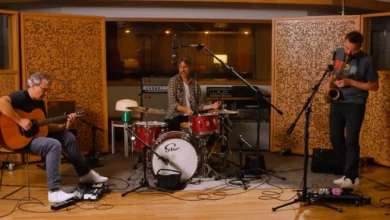
Headlining the weekend is NEA Jazz Master Dee Dee Bridgewater, who will debut her project “We Exist,” a performance backed by an all-women ensemble featuring pianist Alexis Lombre, bassist Liany Mateo, and drummer Shirazette Tinnin. This performance represents a significant commitment to gender parity and the amplification of underrepresented voices in the jazz hierarchy. The lineup also includes the Bill Frisell Trio, which will weave together threads of blues, folk, and improvised jazz, and a performance by the Joshua Redman Quartet.
Other notable appearances include the Yellowjackets, who will be joined by vocalist Kurt Elling for a tribute to Weather Report; the polyrhythmic explorations of Cory Henry & The Funk Apostles; and pianist Danilo Pérez’s “PanaMonk” trio, which explores the intersections of Thelonious Monk’s compositions with Panamanian rhythmic structures. The diversity of the lineup is further bolstered by the inclusion of the Orrin Evans Trio with vocalist Lisa Fischer, the percussion-heavy compositions of Nate Smith, and the folkloric, Caribbean-rooted works of Etienne Charles & Creole Soul.
Jazz as a Living History: The Centennial Observance
The 2026 festival is anchored by a significant historical milestone: the centennial of three seminal figures—Miles Davis, John Coltrane, and Randy Weston. Rather than treating these artists as static icons, the festival has curated a series of “reactivation” performances.
Festival artist-in-residence Emmet Cohen will headline “Miles and Trane at 100,” a program intended to contextualize the influence of these giants on the contemporary scene. Saxophonist Isaiah Collier will present “Collier Plays Coltrane,” while the African Rhythms Alumni Quintet will honor the late Randy Weston. These programs are designed to spark dialogue among generations, ensuring that the innovation associated with Davis, Coltrane, and Weston remains a functional, evolving tool for today’s improvisers.
Artistic Director Willard Jenkins has characterized this year’s programming as a reflection on the “progressive, continually evolving” nature of jazz. By pairing these centennial tributes with the wider America250 context, the festival invites patrons to view jazz as a primary language of American resilience and democratic exchange.
Supporting the Future: DCJazzPrix and Educational Outreach
A critical component of the festival’s long-term sustainability is its commitment to emerging talent. The 11th annual DCJazzPrix finals, held on Saturday at Union Stage, will see four finalists—the Amina Scott Quintet, the Bokani Dyer Trio, the James Fernando Trio, and Luther S. Allison & Poiesis—compete for a $15,000 prize and professional mentorship.
The evaluation process for DCJazzPrix is notable for its focus on the working ensemble, prioritizing group chemistry and collaborative innovation over individual virtuosity. This approach reflects a shift in the industry toward valuing band cohesion. Furthermore, the festival has integrated a wide array of educational components, including “Meet the Artist” sessions at Arena Stage. These sessions are designed to facilitate direct engagement between the public and legendary performers, offering insights into their creative processes, stylistic versatility, and the legacies they carry forward.
Economic and Cultural Implications
The decision to decentralize the festival has measurable economic and social implications for the District. By directing foot traffic to neighborhoods across D.C., the festival functions as a major stimulus for local businesses and cultural venues. Data from previous iterations suggests that the festival significantly increases tourism revenue during the Labor Day holiday, a period historically associated with a lull in urban business activity.
Beyond the balance sheet, the festival serves as a vital platform for cultural diplomacy. The presence of international artists from nations including South Korea, Lithuania, Sweden, and Venezuela highlights the global reach of the jazz medium. This internationalism serves to reinforce Washington, D.C.’s status as a global city, utilizing the universal language of music to foster connections between diverse communities.
The final two days at The Wharf underscore the festival’s commitment to accessibility. While access to performance piers and indoor venues requires a ticket, the waterfront promenade allows for free listening, ensuring that the music remains available to the public regardless of economic status. This tiered approach to access is a hallmark of the festival’s community-centric philosophy.
As the 2026 edition approaches, the DC JazzFest stands as a testament to the endurance of the jazz tradition. By balancing the reverence for historical figures with an aggressive pursuit of new, genre-defying talent, the festival provides a comprehensive snapshot of the genre’s vitality. Attendees can access the full schedule, ticket information, and comprehensive FAQs at dcjazzfest.org, where they can also explore the logistical details of the citywide transit plan designed to connect the various performance corridors. Through its focus on community, education, and artistic excellence, the festival continues to define the capital’s sound, proving that jazz remains a forward-looking, essential component of the American experience.