Jane Ira Bloom Reconnects with David Friedman for New Immersive Project Light From a Person

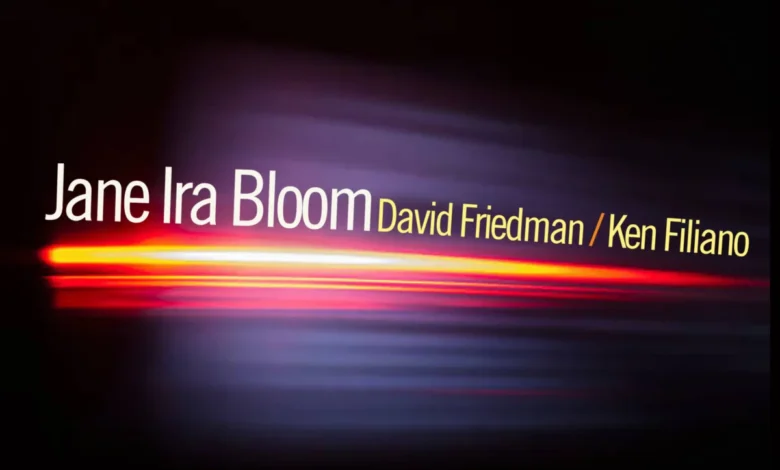
The release of Light From a Person marks a significant milestone in the career of acclaimed soprano saxophonist and composer Jane Ira Bloom, signaling a long-awaited reunion with vibraphonist David Friedman. More than four decades after their initial creative partnership, the two jazz luminaries have returned to the studio, joined by bassist Ken Filiano. Recorded at the Clive Davis Institute in Brooklyn, the album serves as both a testament to their enduring musical rapport and a showcase for contemporary high-fidelity audio engineering. The collaboration, defined by a minimalist approach to rehearsal and a reliance on spontaneous creative synergy, results in a ten-track collection that explores the boundaries of the sax-vibes-bass trio format.
A Chronology of Collaboration
The history between Bloom and Friedman dates back more than 45 years, a period during which both artists established themselves as pivotal figures in the evolution of modern jazz. Their early work in the late 1970s set a precedent for the lyrical, conversational style that defines their latest output. Following those formative years, their paths diverged; Friedman relocated to Berlin, Germany, where he became a prominent figure in the European jazz circuit and a distinguished educator. Bloom, meanwhile, remained a constant force in the New York City scene, garnering accolades for her technical precision and her innovative use of movement and physics in her compositions.
Despite the geographic distance that spanned decades, the decision to record Light From a Person was driven by a shared intuition that their distinct musical voices would resonate just as effectively today as they did in the 1970s. The recording sessions were characterized by brevity—a choice made intentionally to prioritize freshness and emotional immediacy over meticulous structural refinement. By limiting rehearsal time, the trio operated on a "record what feels good" philosophy, allowing for an organic flow that underscores the album’s thematic focus on human connection.
Technical Precision and Immersive Sound
While the performances are rooted in the tradition of acoustic jazz, the production of Light From a Person represents a forward-thinking approach to audio fidelity. Recognizing that the nuances of a sax-vibes-bass trio require exceptional sonic clarity, Bloom enlisted the expertise of renowned recording engineers Jim Anderson and Ulrike Schwarz.
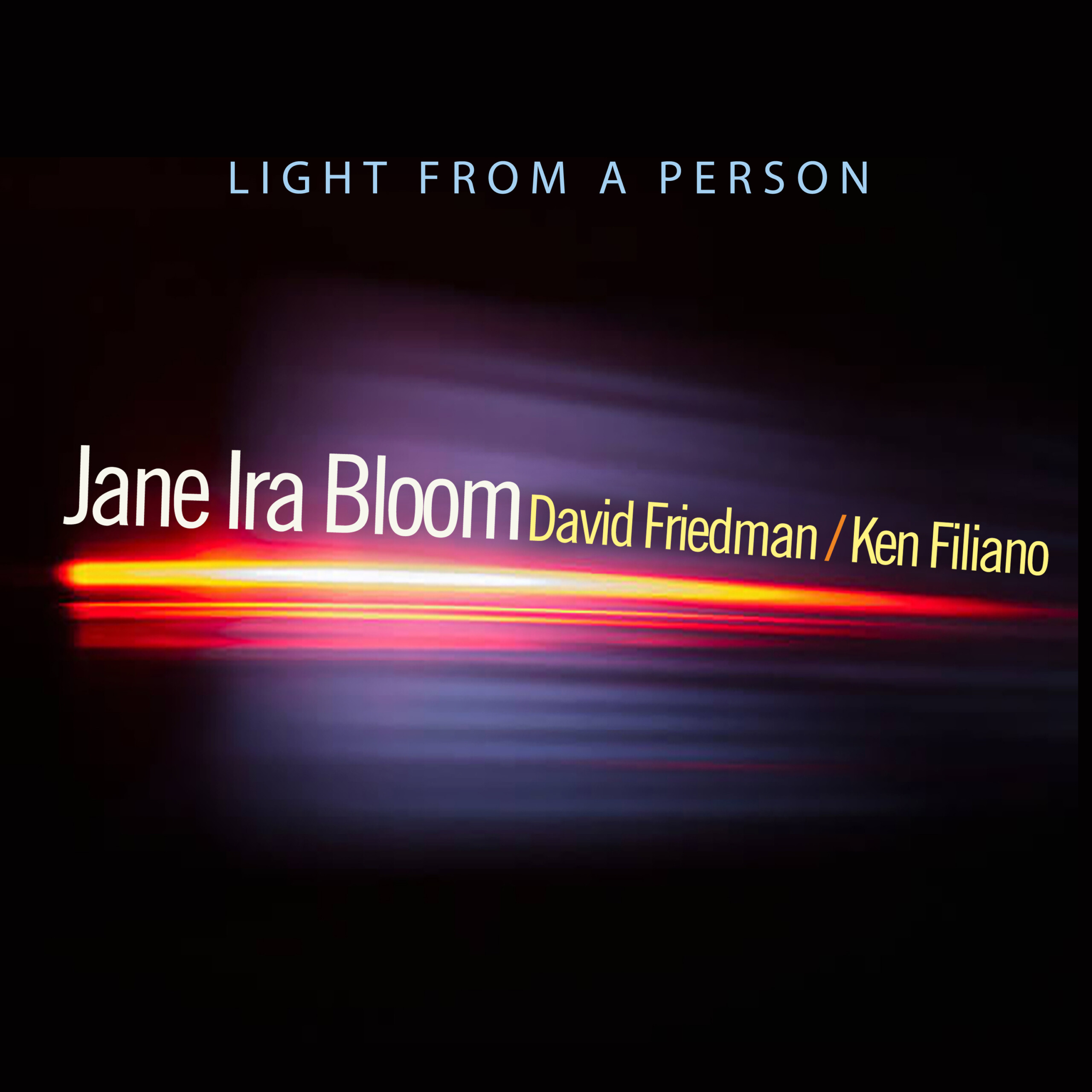
The album was specifically conceived with surround sound and immersive audio formats in mind. In an era where digital consumption often defaults to compressed, lossy audio files, this project stands as a counter-narrative, prioritizing the listener’s experience of spatial depth and textural detail. The recording captures the natural resonance of the vibraphone, the delicate interplay of the soprano saxophone’s overtones, and the anchoring warmth of the acoustic bass. Available in both high-definition stereo and immersive digital formats, the album serves as a case study in how modern production techniques can preserve the intimacy of a jazz trio while elevating the listener’s proximity to the performance.
Analysis of the Trio Configuration
The choice of a saxophone, vibraphone, and bass configuration is not incidental. This specific instrumentation removes the rhythmic predictability of a drum kit, forcing the musicians to engage in a more fluid, contrapuntal dialogue. For Jane Ira Bloom, this format provides a canvas for her signature soprano saxophone work—often described for its vocal-like qualities and wide dynamic range.
In the track "White Tower," the trio’s synergy is most apparent. Described by Bloom as a "simple, folk-like song," the composition serves as a centerpiece for the album’s emotional narrative. The structure of the piece allows for a balanced exchange: Bloom initiates the melody with a restrained, melancholic delivery, while Friedman’s vibraphone provides a chiming, atmospheric backdrop. Filiano’s bass work acts as the bridge between the two melodic voices, moving from elegant accompaniment to a soulful, rhythmic anchor during the improvisational segments. This interplay illustrates the core strength of the album: a lack of ego that allows the trio to focus entirely on the song’s narrative arc.
The Evolution of the Jazz Trio
The broader implications of this release highlight a shift in how jazz musicians are approaching recording projects in the 21st century. The reliance on legacy partnerships—revisiting creative relationships after decades of independent growth—has become a recurring theme in contemporary jazz. This "re-exploration" model allows artists to combine the wisdom and maturity gained over a lifetime with the raw, improvisational excitement that characterized their early careers.
Furthermore, the participation of Ken Filiano adds a vital dimension to the project. As an in-demand bassist known for his versatility across both traditional and avant-garde jazz, Filiano’s inclusion suggests that Bloom sought a player capable of navigating the subtle spaces between her saxophone lines and Friedman’s percussion. His ability to maintain a consistent pulse without the use of drums is critical to the album’s success.
Industry Perspectives and Official Statements
In various discussions surrounding the release, including an interview with Mr. G on Green Arrow Radio, Bloom emphasized that the project was not designed to be a complex technical exercise. Instead, it was an effort to capture the "good feeling" of mutual understanding. The lack of extensive rehearsal was not a lack of preparation, but a strategic decision to prevent over-analysis. By trusting their long-standing history, the musicians were able to capture performances that feel unburdened by the pressures of studio perfectionism.
The decision to record at the Clive Davis Institute was also intentional. As an academic and creative hub, the institute provides a high-level environment that encourages both pedagogical excellence and high-end technical experimentation. This environment clearly suited the project’s dual focus: honoring the history of the jazz tradition while utilizing the most advanced recording technology available.
Broader Impact and Future Implications
Light From a Person does more than just serve as a catalog of new compositions; it provides a blueprint for how legacy artists can remain relevant by embracing modern technological standards. By focusing on immersive audio, Bloom and her collaborators are positioning their work for a future where high-fidelity, multidimensional sound is expected by discerning listeners.
The critical reception of the album, coupled with its availability in multiple digital formats, highlights a growing demand for "high-resolution" jazz experiences. As streaming platforms continue to adopt spatial audio technologies, projects like this one serve to set a standard for quality. For the listener, the album offers an invitation to sit in the center of a musical conversation that is both deeply personal and globally accessible.
Ultimately, the reunion of Bloom and Friedman is a testament to the longevity of artistic relationships. In a fast-paced industry that often prioritizes newness over depth, the willingness of these musicians to revisit their shared history serves as a reminder that the best music is often built on the foundation of trust. Light From a Person is not merely a collection of tracks, but a coherent, deeply felt narrative that bridges the gap between the past and the future of the jazz trio. As the trio continues to influence the contemporary landscape, their work remains a benchmark for what can be achieved when technical mastery meets genuine, long-term creative friendship.
Related posts: