The Story Behind the Living Years by Mike and the Mechanics and the Shared Grief That Fueled a Global Hit

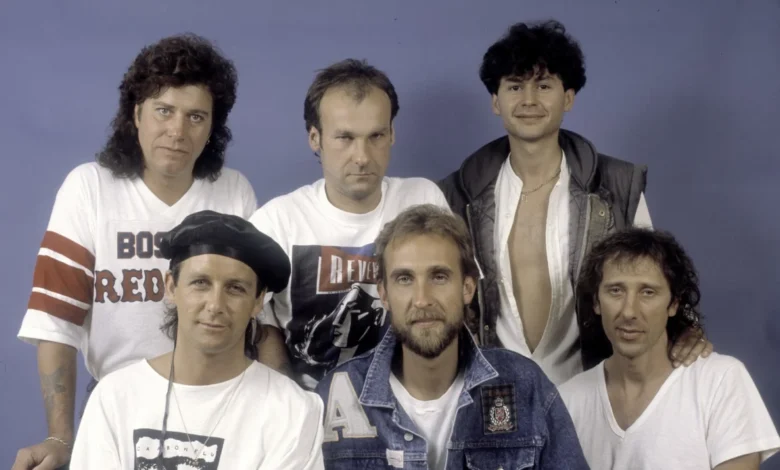
The release of "The Living Years" in late 1988 marked a rare moment in popular music where commercial success and profound emotional resonance converged with absolute precision. While the 1980s were often characterized by the glitz of synth-pop and the bombast of arena rock, Mike + The Mechanics delivered a somber, mid-tempo ballad that addressed the universal complexities of the father-son relationship, the finality of death, and the enduring weight of unspoken words. The song did not merely climb the charts; it became a cultural touchstone for a generation grappling with the "generational divide," ultimately reaching number one on the Billboard Hot 100 in the United States and earning critical acclaim worldwide. The genesis of the track was not the result of a calculated marketing strategy but rather a serendipitous and somber alignment of three creative lives, each marked by the recent or profound loss of a father.
The Genesis of a Side Project
To understand the impact of "The Living Years," one must first look at the state of the British rock landscape in the mid-1980s. Mike Rutherford, a founding member and the primary bassist/guitarist of the legendary progressive rock-turned-pop powerhouse Genesis, found himself in a unique position. By 1985, Genesis had reached a level of global saturation that allowed its members to pursue highly successful solo endeavors. While drummer and vocalist Phil Collins became one of the biggest pop stars on the planet, Rutherford sought a different outlet. He did not view himself as a front-man or a lead singer, preferring the role of the architect and songwriter.
Rutherford formed Mike + The Mechanics as a "supergroup" of sorts, but one without the ego typically associated with the term. He recruited two of the most respected voices in British music: Paul Carrack, formerly of Ace and Squeeze, and Paul Young, the former lead singer of Sad Café. This dual-vocalist approach allowed the band to pivot between soulful ballads and high-energy rock. The band’s self-titled debut in 1985 was a massive success, producing hits like "Silent Running (On Dangerous Ground)" and "All I Need Is a Miracle." However, it was their second studio album, Living Years, released in 1988, that would define their legacy through its title track.
A Collaboration Born of Shared Sorrow
The primary lyrical engine behind "The Living Years" was B.A. Robertson, a Scottish musician and songwriter who had enjoyed his own success as a performer in the late 1970s. By the mid-80s, Robertson had transitioned into a prolific songwriter for others. He had already established a strong rapport with Rutherford, having co-written "Silent Running." However, the inspiration for their next collaboration was born from a place of deep personal trauma.
In the period leading up to the writing sessions for the second album, Robertson’s father passed away. The loss was compounded by the fact that their relationship had been strained by the very "generational divide" the song eventually described. Robertson found himself paralyzed by the things he had left unsaid—the disagreements that remained unresolved and the expressions of affection that were never voiced. He began drafting lyrics that were intensely autobiographical, detailing the friction between a father of the "iron age" and a son of a newer, more expressive generation.
When Robertson presented the draft to Mike Rutherford, the timing was uncanny. Rutherford’s own father, William Crawford Rutherford, a former Royal Navy Captain, had died in 1986 while Mike was on tour with Genesis. The loss had hit Rutherford hard; his father had been a supportive figure who had even published his own memoirs late in life, a fact that resonated with the song’s themes of legacy and the written word. The shared experience of grief between the two men turned a potential pop song into a mission of emotional honesty.
The Vocal Performance of Paul Carrack
While Rutherford and Robertson provided the structural and lyrical foundation, the song required a specific vocal delivery to translate its heavy themes into a relatable anthem. The task fell to Paul Carrack. Carrack was already known as "The Man with the Golden Voice," having sung the 1974 classic "How Long" with Ace and the 1981 hit "Tempted" with Squeeze.
Carrack’s involvement added a third layer of authentic grief to the project. Although his father had passed away years earlier in a workplace accident when Carrack was only eleven years old, the singer had spent much of his adult life processing that early loss. When he stepped into the booth to record "The Living Years," he wasn’t just interpreting Robertson’s lyrics; he was channeling his own lifelong sense of absence.
The recording session was famously emotional. Producers Christopher Neil and Mike Rutherford opted for a clean, spacious arrangement that allowed Carrack’s soulful, weary delivery to take center stage. The addition of the King’s House School Choir during the final choruses provided a communal, almost liturgical quality to the song, suggesting that the struggle to communicate with the previous generation was a collective human experience rather than an isolated incident.
Chronology of a Global Phenomenon
The timeline of "The Living Years" reflects a steady ascent from a deeply personal recording to an international staple:
- October 1986: Mike Rutherford’s father, Crawford Rutherford, passes away while Mike is promoting the Genesis album Invisible Touch.
- 1987-1988: B.A. Robertson’s father passes away, prompting the initial lyrical drafts. Robertson and Rutherford begin collaborating on the music at Rutherford’s home studio.
- Late 1988: The album Living Years is released. The title track is selected as the second single, following "Nobody’s Perfect."
- January 1989: The song enters the charts in the UK and the US, quickly gaining momentum due to heavy radio play and a poignant music video featuring Rutherford and his young son.
- March 1989: "The Living Years" hits number one on the Billboard Hot 100, staying at the top for one week. It also reaches number one in Australia, Canada, and Ireland.
- May 1989: The song peaks at number two on the UK Singles Chart, held off the top spot only by Jason Donovan’s "Too Many Broken Hearts."
- 1990: The song receives three Grammy Award nominations, including Record of the Year and Song of the Year. It wins the Ivor Novello Award for Best Song Musically and Lyrically.
Lyrical Analysis and Cultural Impact
The enduring power of "The Living Years" lies in its narrative specificity. It begins by acknowledging the inevitability of conflict: "Every generation / Blames the one before / And all of their frustrations / Come beating on your door." This opening set the stage for a story about the failure of communication. The lyrics contrast the "stilled" spirit of the father with the "bitter" regret of the son, culminating in the haunting refrain: "Say it loud, say it clear / You can listen as well as you hear / It’s too late when we die / To admit we don’t see eye to eye."
At the time of its release, the song struck a chord with the "Baby Boomer" generation, many of whom were reaching middle age and facing the decline or death of their "Greatest Generation" parents. The song acted as a catalyst for public discourse on grief and reconciliation. Radio stations across the globe reported an influx of callers sharing stories of their own estranged parents, and the song was frequently used in hospice care and funeral services.
From a technical standpoint, the song utilized the polished production standards of the late 80s—glistening synthesizers and a steady, programmed drum beat—but it grounded these elements with organic guitar work and a soaring, gospel-influenced bridge. This blend of the modern and the traditional mirrored the song’s theme of bridging the gap between the old and the new.
Official Responses and Enduring Legacy
In the years following the song’s success, the creators have often reflected on its impact. Mike Rutherford noted in his 2014 memoir, The Living Years, that the song was one of the few times he felt a lyric was "perfect" upon first reading. He acknowledged that the song helped him process his own father’s passing in a way that his work with Genesis had not.
B.A. Robertson has also spoken about the song’s therapeutic nature. While he admitted it was difficult to hear the song for a time due to its raw emotional proximity to his father’s death, he expressed pride in how it encouraged others to seek closure with their loved ones before it was too late. Paul Carrack continues to perform the song in his solo shows, noting that it remains the most requested track in his extensive repertoire, often bringing audience members to tears decades after its debut.
The broader implications of "The Living Years" are seen in its continued presence on Adult Contemporary and Classic Rock radio. It remains a definitive example of the "power ballad" with a purpose, moving beyond the romantic tropes of the era to tackle the much more difficult terrain of family dynamics and mortality. In a world where digital communication often replaces face-to-face honesty, the song’s central message—to "say it loud, say it clear"—remains as relevant in the 21st century as it was in 1988.
The song’s legacy is also cemented in its accolades. Beyond the Ivor Novello win, it has been covered by numerous artists across genres, from country stars to gospel choirs, proving that its message transcends the pop-rock medium. It stands as a testament to the fact that when artists tap into their most vulnerable, private experiences, they often produce their most universal and enduring work. "The Living Years" is not just a song about death; it is a profound exhortation to live, speak, and forgive while time still allows.
Related posts: