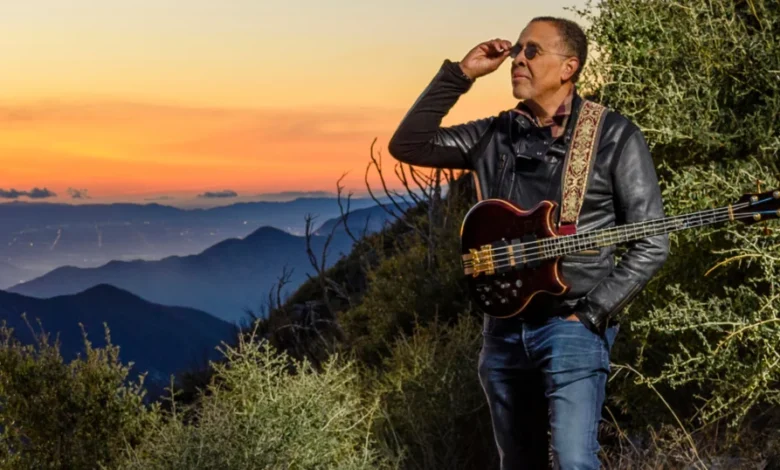
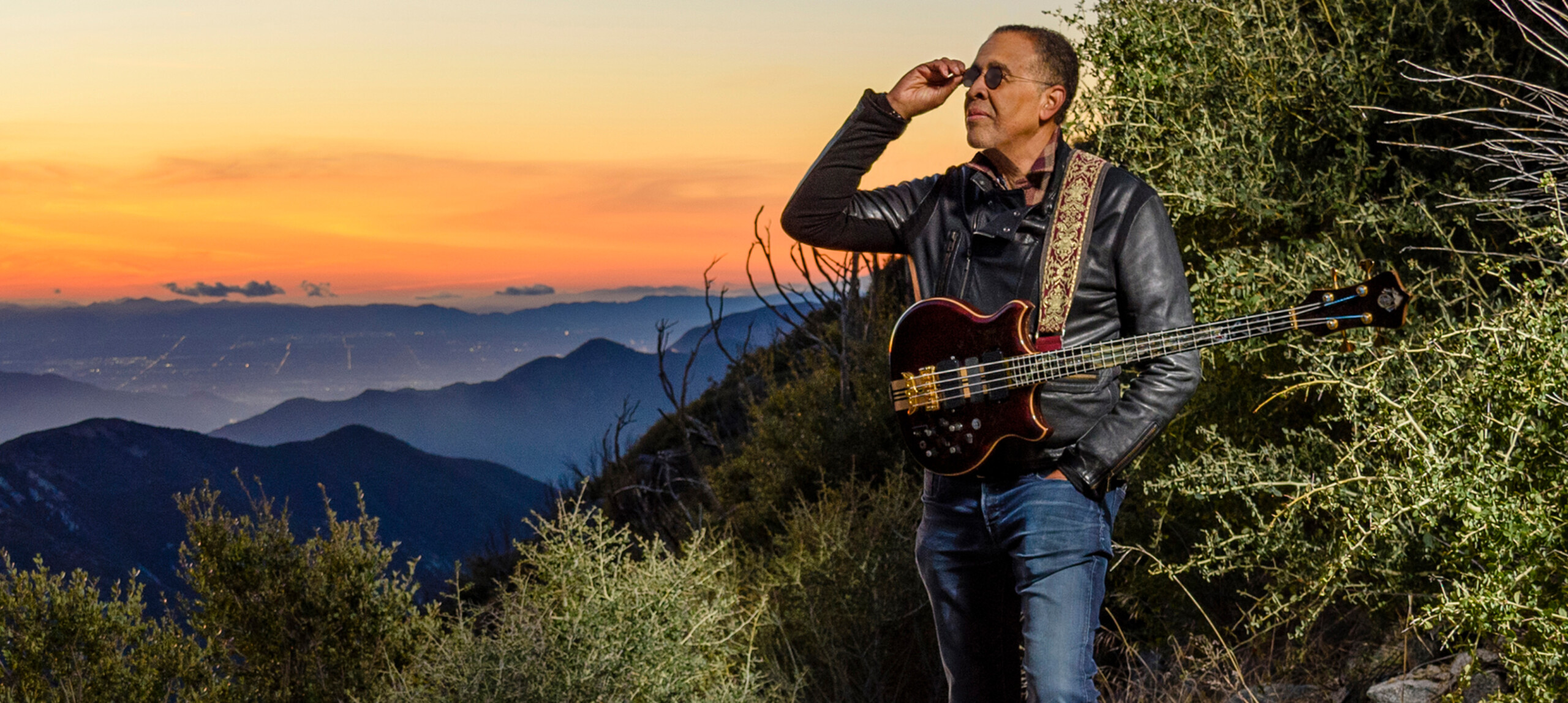
Stanley Clarke has spent more than half a century expanding the collective understanding of what the bass guitar and the double bass can achieve within the realms of jazz, rock, and contemporary composition. From his early days performing alongside Miles Davis to his pivotal role in the fusion powerhouse Return to Forever, Clarke has remained a steadfast figure in the evolution of modern music. His career, characterized by a relentless drive to move forward, is guided by a philosophy where technical virtuosity is never an end in itself but rather a tool to serve a deeper, more resonant musical purpose. As he enters a new chapter of his career, Clarke continues to mentor a new generation of musical explorers, ensuring that the spirit of innovation he helped ignite in the 1970s remains a vital force in the 21st century.
The Formative Years and the Philadelphia Foundation
Born in Philadelphia in 1951, Stanley Clarke’s musical journey began with a rigorous classical foundation. Unlike many of his contemporaries who picked up the bass as a secondary instrument, Clarke was a dedicated student of the double bass from a young age. He attended the Philadelphia Musical Academy, where he honed the technique that would eventually allow him to treat the bass as a melodic, lead instrument rather than a purely rhythmic one. This classical background provided him with a level of dexterity and theoretical knowledge that would set him apart when he eventually moved to New York City in the late 1960s.
Upon his arrival in the epicenter of the jazz world, Clarke quickly found work with some of the most prestigious names in the industry. He performed with Horace Silver, Art Blakey, Dexter Gordon, and Stan Getz, proving his mettle as a traditional jazz bassist. However, the musical landscape was shifting. The late 1960s and early 1970s were a time of radical experimentation, as the boundaries between jazz, rock, and funk began to blur. Clarke was at the forefront of this transition, possessing the unique ability to navigate the complexities of bebop while embracing the raw energy of the emerging electric era.
The Fusion Revolution and Return to Forever
The most significant turning point in Clarke’s early career came through his association with pianist Chick Corea. Together, they formed Return to Forever, a group that would become one of the "big three" of the jazz-fusion movement, alongside Weather Report and the Mahavishnu Orchestra. The band’s evolution mirrored the rapid changes in the music industry. Early iterations of the group focused on a lighter, Brazilian-influenced sound, but by the mid-1970s, Return to Forever had transformed into a high-powered electric quartet featuring guitarist Al Di Meola and drummer Lenny White.
During this period, Clarke’s work on albums such as Hymn of the Seventh Galaxy, Where Have I Known You Before, and the seminal Romantic Warrior redefined the role of the electric bass. He introduced a percussive, "slap" style of playing that was harmonically sophisticated yet rhythmically driving. His use of the piccolo bass—an instrument tuned an octave higher than a standard bass—further allowed him to occupy the sonic space typically reserved for guitarists and saxophonists. This era solidified Clarke’s reputation as a "bass god," a title he shared with the late Jaco Pastorius, as they both worked to liberate the instrument from the shadows of the rhythm section.
Solo Success and the "School Days" Phenomenon
While his work with Return to Forever brought him international acclaim, Stanley Clarke’s solo career established him as a commercial force in his own right. In 1976, he released School Days, an album that remains a touchstone for bassists worldwide. The title track, with its iconic opening riff and explosive soloing, became an anthem for the instrument. School Days demonstrated that a bass-centric album could achieve mainstream success, peaking high on the Billboard jazz and R&B charts.
Clarke’s solo output throughout the late 70s and 80s showed a remarkable range. He explored funk, pop, and even orchestral arrangements, collaborating with a diverse array of artists including George Duke, Jeff Beck, and Paul McCartney. The Clarke/Duke Project, a partnership with keyboardist George Duke, produced the hit "Sweet Baby," proving that Clarke’s musicality extended far beyond technical displays of speed. He possessed a keen ear for melody and a deep understanding of groove, qualities that made his music accessible to audiences far beyond the traditional jazz circuit.
Transition to Film Composition and Hollywood
By the late 1980s, Clarke began to pivot toward a new challenge: film scoring. This transition was born out of a desire to apply his musical knowledge to a different medium and to find new ways for his "virtuosity to serve a greater purpose." His first major score was for the television series Pee-wee’s Playhouse, but he soon moved into feature films.
Clarke’s work in Hollywood has been prolific and diverse. He provided the score for John Singleton’s 1991 masterpiece Boyz n the Hood, a film that required a sensitive blend of jazz, hip-hop, and orchestral elements to capture the tension and tragedy of the narrative. He went on to score over 70 projects, including What’s Love Got to Do with It, The Transporter, and Romeo Must Die. His success in the film industry highlighted his ability to compose for large ensembles and demonstrated a structural understanding of music that went beyond the constraints of a four-piece band. This phase of his career reinforced his belief that intention is the most critical component of any artistic endeavor.
The Power of Intention: Philosophy and Mentorship
The concept of "The Power of Intention" is central to Stanley Clarke’s current outlook on music and life. For Clarke, intention refers to the conscious decision-making process behind every note played. It is the rejection of mindless technical display in favor of meaningful communication. In recent interviews, Clarke has emphasized that as musicians age, the physical ability to play fast may fluctuate, but the depth of intention only grows stronger.
This philosophy is most evident in his current work with his touring band, 4Ever. The ensemble features a rotating cast of young, prodigious musicians, many of whom Clarke has hand-picked from the world’s top music conservatories. By surrounding himself with youth, Clarke is not merely seeking to recapture the energy of his own early years; he is actively engaged in the process of mentorship. He views his role as a "musical elder," passing down the lessons he learned from legends like Art Blakey and Stan Getz to a generation that is navigating a vastly different digital landscape.

Supporting Data and Recognition
The impact of Stanley Clarke’s five-decade career is reflected in both his commercial success and his critical accolades. He is a four-time Grammy Award winner, with wins spanning categories from Best Jazz Instrumental Performance to Best Contemporary Jazz Album. In 2011, he received a Grammy for Best Jazz Instrumental Album for The Stanley Clarke Band, proving his continued relevance in the recording studio.
In 2022, Clarke was honored as an NEA Jazz Master, the highest honor the United States bestows upon jazz musicians. This recognition placed him in the company of the very icons he grew up idolizing. Furthermore, his influence on the instrument is quantifiable through the generations of bassists who cite him as a primary influence, from Victor Wooten and Marcus Miller to younger stars like Thundercat. Clarke’s technical innovations, particularly his refined slap technique and his popularization of the piccolo bass, have become standard vocabulary for the modern bassist.
Broader Impact and Future Implications
As the music industry continues to grapple with the rise of artificial intelligence and the shifting economics of streaming, Stanley Clarke’s emphasis on "virtuosity with purpose" offers a compelling roadmap for the future of live performance. His career suggests that while technology and trends change, the human element—the "intention" behind the sound—remains the most valuable asset a musician possesses.
Clarke’s ongoing tours and his commitment to developing new talent ensure that the lineage of jazz fusion remains unbroken. By integrating hip-hop rhythms and modern production into his live sets, he continues to prove that jazz is a living, breathing art form rather than a museum piece. His life’s work stands as a testament to the idea that a musician can be both a master of their craft and a continuous student of the world around them. As he moves forward, guided by the same courage and curiosity that defined his youth, Stanley Clarke remains a vital architect of the global musical landscape, proving that the power of intention is indeed the most potent force in art.