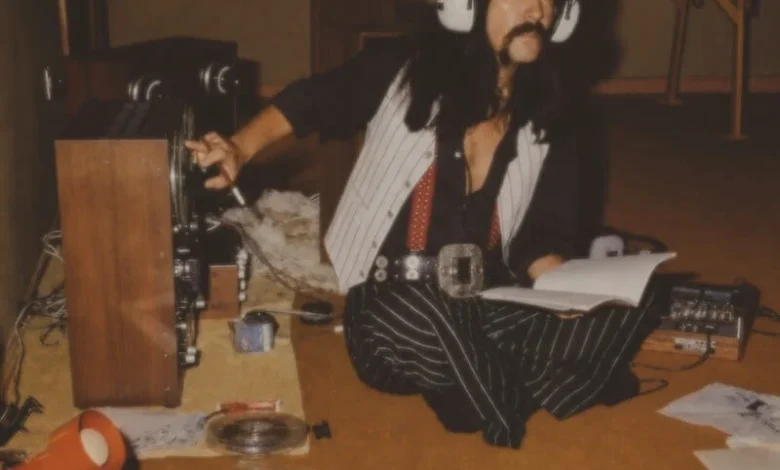
Anatolian Psych Out: Volume Two continues its exploration into one of rock music’s most captivating and underexplored parallel histories, presenting seventeen curated selections from Turkey’s extraordinary musical flowering in the late 1960s and 1970s. This compilation delves into a period where ancient musical traditions of Anatolia, spanning millennia, were fused with the burgeoning energy of Western rock music. The result is a sonic tapestry woven with the electrifying strum of fuzz guitars, the resonant, often otherworldly, tones of the electric bağlama, and the deeply hypnotic grooves that characterized this unique era. The music featured remains as enigmatic, profoundly transportive, and remarkably unbound by the constraints of time as it was upon its initial creation.
This latest release, a spiritual successor rather than a direct sequel, builds upon the foundation laid by its predecessor, offering listeners an even more profound immersion into the psychedelic, garage, and folk-rock scenes that flourished across Turkey during a pivotal decade and a half. The artists and tracks chosen for "Volume Two" are a testament to the creativity and innovation that defined this period, showcasing a vibrant counterculture that was both deeply rooted in its heritage and boldly embracing global musical trends.
The Genesis of Anatolian Rock: A Cultural Crucible
The late 1960s and 1970s marked a period of significant social and political upheaval in Turkey, mirroring global trends of youth rebellion and cultural experimentation. Istanbul, in particular, became a nexus for this musical renaissance. Western rock music, including psychedelic rock, folk rock, and garage rock, began to gain traction among a younger generation of Turkish musicians. However, these artists did not simply mimic their Western counterparts. Instead, they engaged in a sophisticated dialogue with their own cultural heritage.
The bağlama, a long-necked lute central to Turkish folk music, was electrified and integrated into rock arrangements, producing a sound that was both familiar and alien. Traditional Anatolian melodies and scales were reinterpreted through the lens of distorted guitars and driving drum beats. This fusion created a genre that was distinctly Turkish, yet possessed a universal appeal. The lyrical themes often reflected the sociopolitical landscape of the time, touching upon themes of love, social justice, and the search for identity, all delivered with an urgency and passion that resonated with the youth.
"Anatolian Psych Out: Volume Two" – A Curated Journey
The tracklist for "Anatolian Psych Out: Volume Two" represents a meticulous selection aimed at showcasing the breadth and depth of this musical movement. While specific artist and track details are not provided in the initial content, the description emphasizes the "seventeen selections" that capture the essence of this era. These selections are likely to include both well-known pioneers of the genre and perhaps some lesser-discovered gems, offering a comprehensive listening experience.
The compilation aims to highlight the characteristic elements that define Anatolian rock: the distinctive vocal styles, the innovative use of traditional instruments alongside Western ones, and the characteristic rhythmic patterns that often draw from both Eastern and Western influences. The inclusion of "fuzz guitars" points to the genre’s embrace of psychedelic and garage rock aesthetics, characterized by distorted, heavily processed guitar sounds that were popular globally during the era. The "electric bağlama" is a key differentiator, providing a unique tonal palette that sets Anatolian rock apart. "Hypnotic grooves" suggest a focus on rhythm and repetition, often found in both traditional Sufi music and psychedelic rock, creating an immersive and trance-like listening experience.
The Legacy and Enduring Appeal
The music of the Anatolian psych era, though largely overlooked by mainstream Western music critics for decades, has experienced a significant resurgence in popularity in recent years. This revival is largely due to dedicated collectors, reissue labels, and online communities that have championed these sounds. "Anatolian Psych Out: Volume Two" is part of this broader effort to bring this vital musical history to a wider audience.
The enduring appeal of this music lies in its authenticity and its ability to transcend cultural boundaries. It represents a powerful example of musical syncretism, where diverse influences coalesce to create something entirely new and compelling. The raw energy, the experimental spirit, and the deeply emotional performances found in this genre continue to captivate listeners who are seeking music that is both historically significant and timeless in its impact.
Supporting Data and Contextual Analysis
To fully appreciate "Anatolian Psych Out: Volume Two," it is helpful to consider the broader socio-cultural context in which this music emerged.
- The Turkish Music Scene of the 1960s and 1970s: Following the relatively liberal period of the late 1950s and early 1960s, Turkey saw a surge in popular music production. Istanbul, Ankara, and Izmir became centers for this activity. Record labels like Diskotür, Yavuz Aslan, and Şan were instrumental in releasing a vast catalog of singles and LPs, often featuring artists who blended Western pop and rock with Turkish folk elements. The average number of new music releases per year during this period, while difficult to quantify precisely without extensive discographical data, was substantial for its time, reflecting a growing industry and audience.
- Influence of Western Music: The global spread of rock and roll, particularly through radio, television, and visiting Western artists, had a profound impact. Bands like The Beatles, The Rolling Stones, The Doors, and Jimi Hendrix were influential. Turkish musicians absorbed these sounds and adapted them, often translating lyrics or creating original material in Turkish that mirrored the thematic concerns of Western rock, such as rebellion, freedom, and social commentary.
- The Role of Traditional Instruments: The electric bağlama, in particular, revolutionized the soundscape. Instruments like the oud, kanun, and darbuka were also sometimes incorporated, adding layers of traditional texture. The adaptation of these instruments for amplified performance was a key innovation.
- Political and Social Climate: The late 1960s and 1970s in Turkey were characterized by increasing political polarization, student activism, and social change. This environment provided fertile ground for music that expressed dissent, questioned authority, and explored themes of identity and belonging. Anatolian rock often served as a soundtrack to this era of transformation and unrest.
- The "Lost" Generations of Music: Much of the music from this period was released on vinyl and was not widely distributed internationally. As a result, many of these recordings became scarce, and the artists themselves often faded into relative obscurity outside of Turkey. The digital age and the efforts of reissue labels have been crucial in unearthing and preserving this rich musical heritage.
Potential Impact and Broader Implications
The release of "Anatolian Psych Out: Volume Two" serves multiple purposes. Firstly, it acts as an archival and educational resource, bringing to light a significant, yet often overlooked, chapter in global music history. By making these tracks accessible, it allows a new generation of listeners and musicians to discover and be inspired by this unique fusion of sounds.
Secondly, it contributes to a more nuanced understanding of rock music’s evolution. It demonstrates how musical genres are not static entities but are constantly being adapted, reinterpreted, and hybridized across different cultures. The success of Anatolian rock in blending seemingly disparate musical traditions highlights the universal language of music and its capacity to foster cross-cultural dialogue.
Furthermore, such compilations can lead to renewed interest in the original artists, potentially leading to retrospective tours, interviews, and a deeper appreciation of their contributions. The "Anatolian Psych Out" series, by focusing on this specific niche, is playing a vital role in the ongoing project of re-evaluating and celebrating global music histories that have been marginalized or underrepresented. The implications extend beyond mere musical appreciation; they speak to the power of music to preserve cultural identity, foster innovation, and connect people across time and borders. The curated selections within "Volume Two" are not just songs; they are sonic artifacts that tell a story of a vibrant cultural moment, a testament to the enduring power of creative expression in the face of historical and geographical boundaries.
Related posts: