Musician and Writer Sam Sodomsky Discusses New Album Take Leave and Musical Influences on Aquarium Drunkard Transmissions

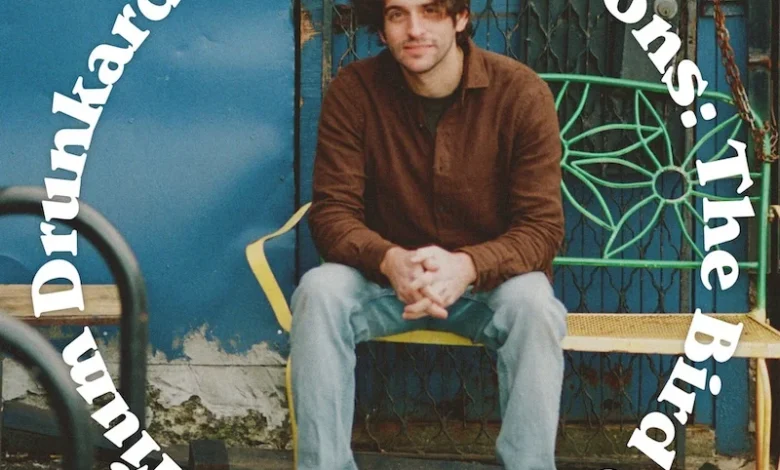
The landscape of contemporary indie folk and alternative country continues to evolve through the prolific output of independent artists who balance multifaceted careers in journalism, literature, and music composition. Among these figures is writer and musician Sam Sodomsky, who creates and releases a substantial volume of work under the moniker The Bird Calls. On a recent installment of the widely respected music podcast Aquarium Drunkard Transmissions, host Jason P. Woodbury welcomed Sodomsky for an in-depth conversation centered around his latest studio full-length, Take Leave. Released on August 28 through Ruination Record Co., the album marks a significant entry in the artist’s catalog, showcasing a distinct synthesis of literate folk-rock structures and downcast alternative country charm. Throughout the interview, Sodomsky unpacked the creative processes behind the record, explored his longstanding appreciation for iconic songwriters like Bruce Springsteen, and examined the profound influence of atmospheric pop pioneers such as The Blue Nile.
The release of Take Leave on August 28 via Ruination Record Co. represents the latest milestone in Sodomsky’s musical trajectory. Known within critical circles for his astute cultural commentary and deep-seated engagement with music history, Sodomsky approaches his own songwriting with a refined literary sensibility. The tracks comprising Take Leave are characterized by an understated acoustic warmth, intricate lyrical narratives, and a subtle self-awareness that distinguishes them within the broader Americana and indie-folk genres. Critics and listeners have frequently noted that Sodomsky’s work under The Bird Calls possesses a lived-in authenticity, driven by arrangements that prioritize spaciousness and emotional resonance over commercial gloss. The collaboration with Ruination Record Co.—an independent label celebrated for supporting idiosyncratic, critically acclaimed songwriters—provides an ideal platform for an album that thrives on subtle instrumentation, melancholy melodies, and sharp, observant lyricism.
During the conversation with Jason P. Woodbury on Aquarium Drunkard Transmissions, Sodomsky provided listeners with a comprehensive look into the architecture of Take Leave. The discussion moved fluidly from the technical aspects of home recording and self-production to the broader philosophical questions that inform his creative output. As an artist who has spent years analyzing, reviewing, and writing about contemporary music for various publications, Sodomsky occupies a unique vantage point within the modern independent music ecosystem. This dual identity as both a creator and a chronicler of culture imbues his interviews and songwriting with a rare self-awareness. Rather than relying on traditional promotional talking points, Sodomsky engaged in a thoughtful dialogue about the mechanics of building a sustainable, independent artistic practice in an era defined by rapid consumption and digital saturation.
A central theme of the interview involved Sodomsky’s deep-rooted fandom of Bruce Springsteen. The discussion explored how Springsteen’s mastery of narrative-driven lyricism, working-class iconography, and cinematic arrangements has cast a long shadow over generations of American songwriters. For Sodomsky, the connection to Springsteen transcends simple pastiche; it reflects a shared commitment to capturing the nuances of everyday life, emotional vulnerability, and the quiet struggles of ordinary individuals. This influence manifests in Take Leave through songs that feel populated by fully realized characters and grounded in specific geographic and emotional landscapes. By examining Springsteen’s catalog—ranging from the stripped-down acoustic melancholia of Nebraska to the widescreen anthems of the 1980s—Sodomsky and Woodbury contextualized The Bird Calls within a continuum of American roots music that values lyrical substance above all else.
In addition to discussing the mythos of Springsteen, the conversation expanded into the sonic realm of The Blue Nile, the legendary Scottish pop and alternative outfit formed in Glasgow in 1981. Renowned for their meticulous production values, cinematic atmosphere, and sparse, melancholic piano-driven arrangements, The Blue Nile represents a crucial sonic touchstone for Sodomsky. Albums such as A Walk Across the Rooftops and Hats occupy a revered status among musicians and critics for their sophisticated use of space, emotional gravity, and urbane lyricism. Sodomsky’s fascination with the band highlights a broader trend among modern indie-folk and alternative-country artists who draw inspiration from outside their immediate genre boundaries. By integrating the atmospheric, nocturnal qualities of sophisti-pop and synth-inflected chamber pop into his acoustic framework, Sodomsky achieves a sonic hybrid that separates Take Leave from standard contemporary folk releases.
Background Context of the Event and Artistic Evolution
To fully appreciate the significance of Take Leave and Sodomsky’s appearance on Aquarium Drunkard Transmissions, it is essential to examine the broader historical and cultural context of the independent music landscape in which he operates. The modern DIY and independent music ecosystem has undergone profound transformations over the past two decades. The shift from physical retail and traditional label gatekeepers to digital streaming platforms and direct-to-consumer models has democratized music production. Consequently, artists can record, distribute, and market prolific bodies of work entirely on their own terms.
Sodomsky has fully embraced this decentralized model through his work as The Bird Calls. Releasing a substantial volume of music allows artists to bypass the traditional, protracted album cycles that once governed the music industry. Instead, creators can treat their discographies as ongoing dialogues with their audiences, capturing fleeting creative phases, experiments, and stylistic shifts in real time. This prolific output requires a distinct discipline and artistic stamina, qualities that are clearly reflected in the construction of Take Leave. The album does not feel rushed or haphazard; rather, it represents a polished distillation of ideas that have been steadily refined across numerous releases and private recording sessions.
Ruination Record Co., the home of Take Leave, plays a vital role in this ecosystem. Independent record labels of this scale serve as crucial incubators for specialized genres that might otherwise struggle to find a foothold in major commercial markets. By partnering with Ruination, Sodomsky aligns himself with a community of like-minded artists who prioritize artistic integrity, vinyl culture, and long-term career sustainability over immediate chart success. This partnership ensures that physical editions of the record receive thoughtful packaging and distribution, catering to a dedicated base of collectors and music enthusiasts who value tangible connections to the art they consume.
Chronology of the Release and Promotional Campaign
The rollout for Take Leave followed a carefully measured trajectory designed to build anticipation among independent music communities without succumbing to hyper-commercial saturation.
- Early 2024: Initial recording and mixing phases for Take Leave are finalized, with Sodomsky compiling tracks that emphasize a cohesive, downcast aesthetic.
- Mid-2024: Ruination Record Co. officially announces the signing of The Bird Calls and sets a late-summer release date, accompanied by the distribution of advance promotional singles to select music publications and critics.
- August 28: Take Leave is officially released worldwide across digital streaming platforms, compact disc, and vinyl formats, receiving positive notices from underground music blogs and independent reviewers.
- Late August / Early September: Sodomsky embarks on a promotional media tour, culminating in his featured appearance on Aquarium Drunkard Transmissions with Jason P. Woodbury, where he discusses the conceptual underpinnings of the record, his Springsteen fandom, and his affinity for The Blue Nile.
This chronological progression highlights the deliberate pacing characteristic of modern independent releases. By utilizing specialized music platforms and culturally resonant podcasts like Aquarium Drunkard Transmissions, artists can bypass conventional mass-media channels to reach deeply engaged, highly targeted audiences.
Supporting Data and Industry Context
The commercial and cultural viability of independent folk and alternative-country music is supported by shifting consumer trends within the global recorded music market. According to recent data from organizations such as the American Association of Independent Music (A2IM) and various music analytics firms, independent record labels account for a significant and growing share of catalog consumption and vinyl sales.
- Vinyl Resurgence: Physical media, particularly vinyl records, has experienced a continuous multi-year growth trend. Independent artists and boutique labels rely heavily on vinyl sales as a primary revenue stream and a critical tool for fan engagement. Releases like Take Leave are specifically formatted and marketed to appeal to this collector demographic.
- Niche Streaming Growth: While major streaming platforms are dominated by mainstream pop and hip-hop, algorithmic discovery tools have successfully connected listeners of niche genres—such as contemporary alt-country, 1980s sophisti-pop, and literate indie folk—with artists like The Bird Calls.
- Podcast Media Penetration: Long-form music interview podcasts, exemplified by Aquarium Drunkard Transmissions, have emerged as premier promotional vehicles for independent musicians. Unlike traditional radio or brief television appearances, podcasts allow artists to spend an hour or more articulating their creative philosophies, discussing historical influences, and establishing a genuine rapport with listeners.
Broader Impact and Industry Implications
The release of Take Leave and the accompanying discourse on Aquarium Drunkard Transmissions carry several notable implications for the current state of independent music journalism and songwriting.
First, the intersection of music journalism and active musicianship—exemplified by Sodomsky’s career—demonstrates a blurring of traditional industry boundaries. Historically, critics and creators operated in distinct professional spheres. Today, fluent cultural consumers who understand the historical context of recorded music are increasingly stepping behind the microphone to produce their own work. This creates a deeply self-aware subset of popular music that is conversant in its own history, nodding explicitly to past innovators while carving out a contemporary identity.
Second, the reception of Take Leave underscores the enduring appeal of analog-leaning, lyric-driven composition in a digitally dominated culture. As listeners experience fatigue from hyper-produced, algorithmically optimized pop hits, there is a steady and robust demand for music that prioritizes acoustic instruments, poetic restraint, and genuine emotional weight. The Bird Calls successfully taps into this demand, offering an antidote to modern over-stimulation through songs that invite slow, attentive listening.
Finally, the sustainability of projects like The Bird Calls relies heavily on dedicated institutional platforms like Aquarium Drunkard and independent patronage models. As noted during the broadcast, community-supported music journalism and artist direct-to-consumer networks are essential for keeping independent culture vibrant and accessible. By fostering environments where deep, unhurried conversations about art, history, and technique can take place, these platforms ensure that artists with unique, non-commercial visions continue to find an audience.
Ultimately, Sam Sodomsky’s appearance on Aquarium Drunkard Transmissions served as much more than a routine album promotion. It functioned as an intellectual and artistic exchange that illuminated the mechanics of modern independent songwriting. Through Take Leave, Sodomsky has delivered a compelling collection of songs that honors his diverse influences—from the working-class poetry of Bruce Springsteen to the nocturnal atmosphere of The Blue Nile—while cementing his place as one of the most thoughtful and prolific voices operating within the contemporary independent music community.