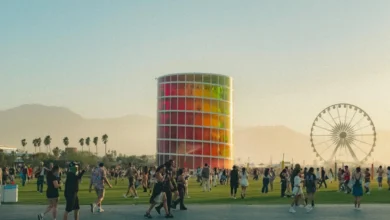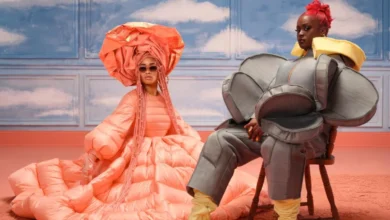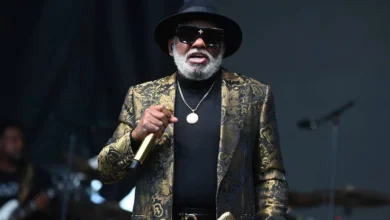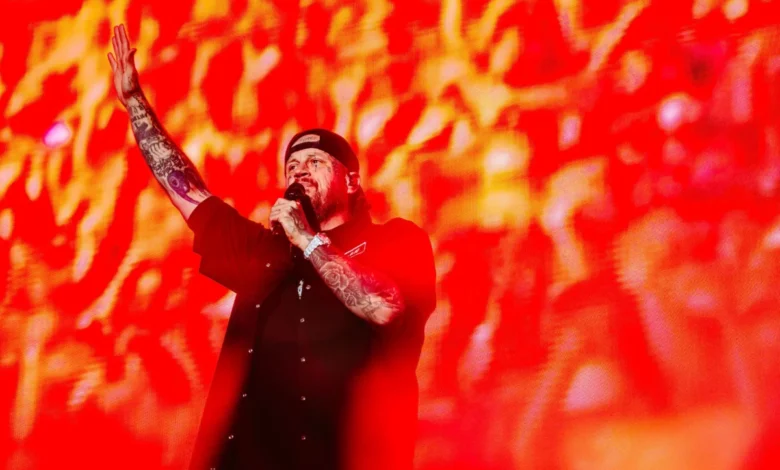
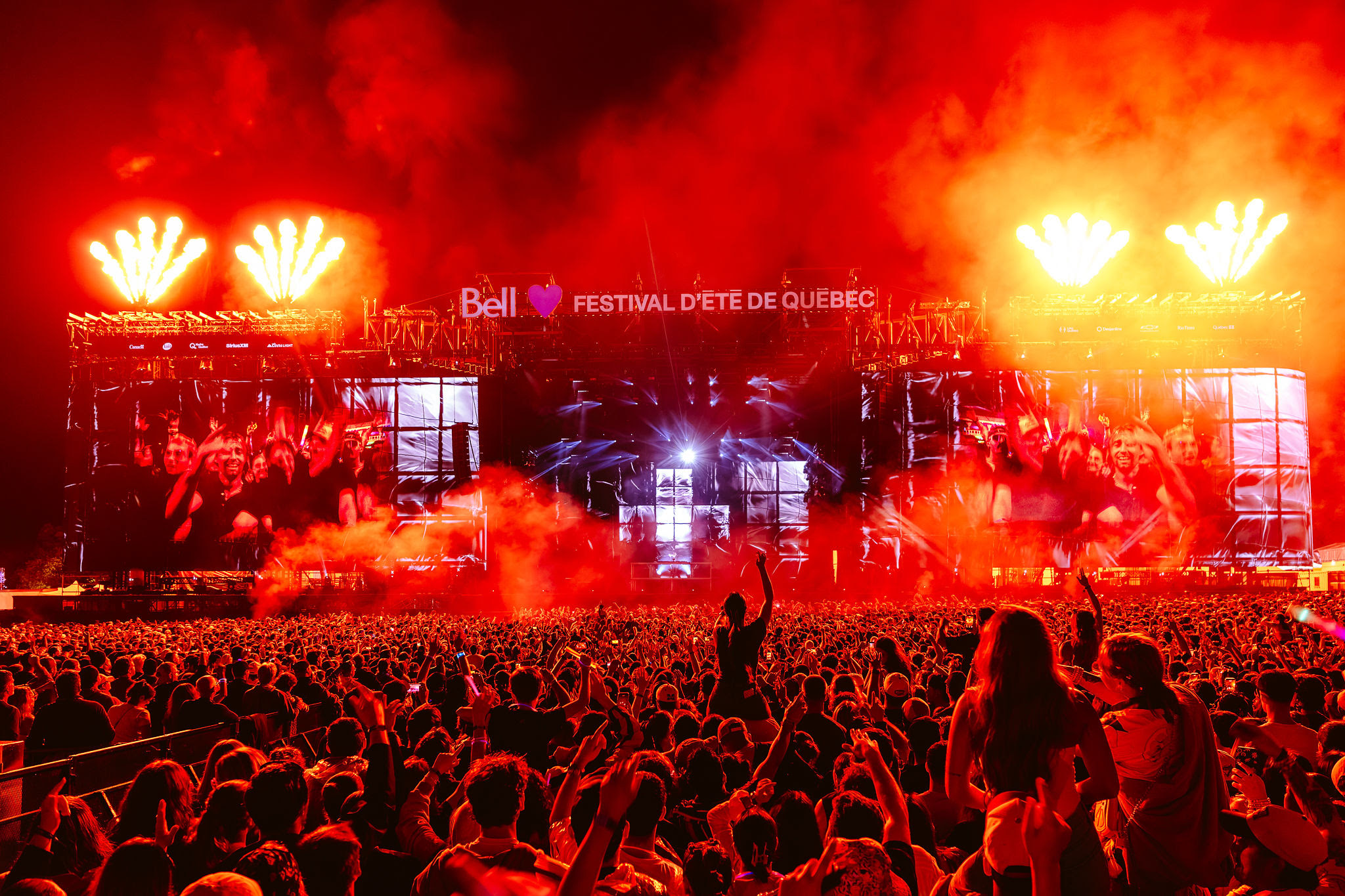
Managed by the non-profit organization BLEUFEU, the festival serves as the "crown jewel" of Quebec’s cultural calendar. The final week of the 11-day marathon featured a diverse array of genres, ranging from the glitter-infused pop of Kesha to the raw, soulful country-rock of Jelly Roll, ensuring that the closing stretch of the 58th year would be remembered as a masterclass in event programming and urban logistics.
The Mid-Week Surge: Pop Nostalgia and Modern Anthems
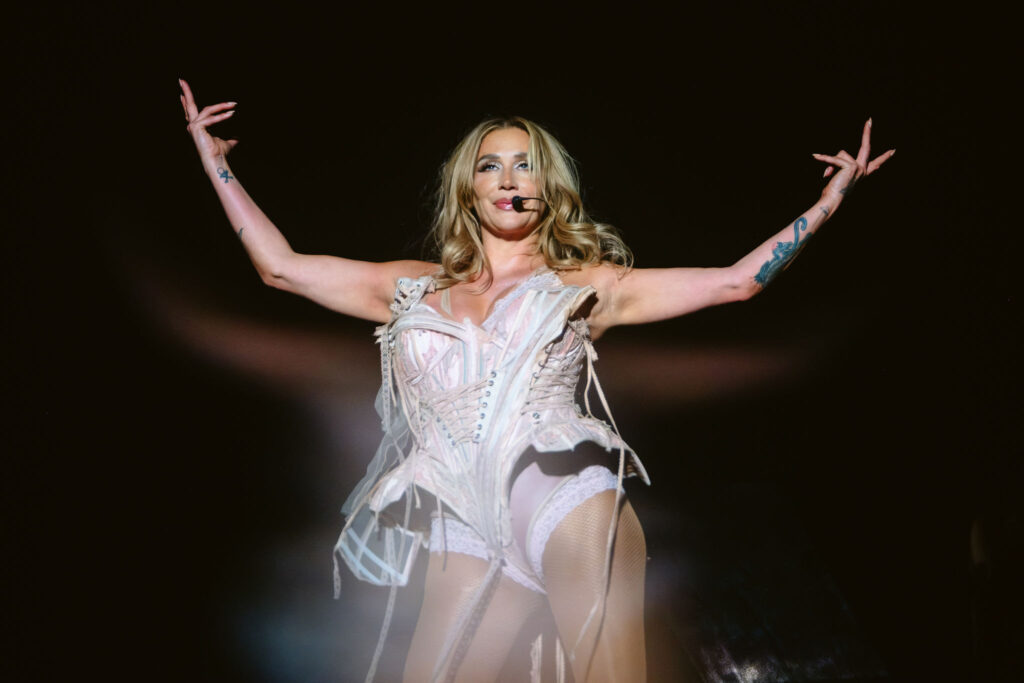
The final week of the festival began with a surge of energy on Wednesday, July 13. The evening was defined by a heavy leaning into the pop and alternative rock sounds that dominated the airwaves during the first two decades of the 21st century. International superstar Kesha took to the main stage, delivering a performance that was as much a celebration of resilience as it was a high-octane pop show.
Kesha’s setlist acted as a chronological journey through her career, featuring multi-platinum hits such as ‘TiK ToK’, ‘Die Young’, ‘Timber’, and ‘Your Love Is My Drug’. Known for her vibrant stage presence and eclectic visual style, the pop star maintained an upbeat atmosphere that resonated with a multi-generational audience. Following her, the All-American Rejects provided a complementary shift toward alternative rock. The band, which held a significant influence over the pop-punk and alt-rock landscape of the 2000s, proved their enduring relevance. Their performance highlighted the festival’s ability to tap into nostalgic currents while keeping the energy modern and engaging.
Thursday, July 14: A Crossroads of Country and Pop Royalty
The momentum continued into Thursday night, which showcased the festival’s commitment to genre diversity. The evening began with a transition into the heart of modern American country music, led by Nate Smith. Smith’s rise in the country music scene has been meteoric, and his ability to command a massive outdoor crowd in a predominantly French-speaking province underscored the universal appeal of his songwriting.
Following Smith, the spotlight shifted to Canadian talent with the appearance of Jessie Reyez. The Toronto-born singer-songwriter brought a raw, soulful edge to the stage, blending R&B, pop, and hip-hop influences. Her inclusion in the lineup served as a reminder of FEQ’s dedication to highlighting Canadian artists who have achieved international acclaim.
The night reached its crescendo with the arrival of pop legend Gwen Stefani. As a three-time Grammy Award winner and a fashion icon, Stefani delivered an electrifying set that spanned her solo career and her time as the frontwoman of No Doubt. Her performance was noted for its high production value and relentless choreography, proving that her status as a global superstar remains unchallenged.
Friday, July 15: Progressive Rock and Indie Exploration
As the weekend approached, the Festival d’été de Québec shifted gears toward more complex and atmospheric sounds. Friday night was headlined by the UK-based rock powerhouse MUSE. Renowned for their operatic scale and fusion of progressive rock with electronic and classical elements, MUSE utilized the vast expanse of the Plains of Abraham—the festival’s largest stage—to its full potential. Their set was a technical marvel, featuring the intricate guitar work and soaring vocals of Matt Bellamy.
The Friday lineup was further enriched by the inclusion of Australian indie-pop duo Royel Otis and the Canadian indie stalwarts Mother Mother. Royel Otis brought a breezy, guitar-driven sound that provided a perfect lead-in to the more intense rock performances of the night. Meanwhile, Mother Mother, a band that has seen a massive resurgence in popularity due to viral success on social media, showcased why they remain one of Canada’s most consistent and creative musical exports.
The Final Curtain: Jelly Roll’s Soulful Conclusion
The festival saved one of its most poignant and anticipated performances for its final stretch. Country-rock sensation Jelly Roll took the stage to deliver a set that leaned heavily on emotional storytelling and raw honesty. Jelly Roll, a multi-time Grammy nominee whose career has bridged the gap between hip-hop and country, has become a symbol of redemption and authenticity in the music industry.
His performance at FEQ was marked by a deep connection with the audience. Between songs, he thanked the fans profusely for their support, acknowledging the long journey he had taken to reach such a prestigious stage. His soulful tunes provided a reflective and powerful conclusion to the 11-day event. By the time the festival officially concluded on Sunday, July 19, the consensus among attendees and organizers was one of overwhelming success.
The BLEUFEU Model: Economic Impact and Logistics
The success of the Festival d’été de Québec is inextricably linked to its management by BLEUFEU. As a non-profit organization, BLEUFEU’s primary mission is to provide festive and inspiring experiences that contribute to the cultural and economic vitality of Quebec City. The organization operates with a core team of over 60 permanent employees, a number that swells to more than 500 contract workers during the peak festival season.
Economic Contributions
The economic impact of the festival on Quebec City is substantial. According to historical data from previous editions, the FEQ generates tens of millions of dollars in economic spinoffs for the local economy. Hotels in the downtown core and surrounding boroughs typically reach 95% to 100% occupancy during the festival’s run. Restaurants, bars, and local retail shops also see a significant uptick in revenue, driven by the influx of hundreds of thousands of festival-goers.
The Plains of Abraham: A Unique Venue
The primary venue for the festival, the Plains of Abraham, is a site of immense historical significance. Once the location of a pivotal battle between the French and British empires, it now serves as one of the most impressive outdoor concert venues in the world. The natural amphitheater can accommodate upwards of 80,000 people, providing a backdrop that combines the beauty of a historic park with the infrastructure of a modern stadium.
Accessibility and Cultural Significance
One of the most remarkable aspects of the Festival d’été de Québec is its pricing model. Unlike many major North American festivals where a three-day pass can cost several hundred dollars, FEQ offers an 11-day pass (a transferable wristband) at a fraction of the price. This "affordable for all" philosophy has been a cornerstone of the festival since its inception in 1968. It allows families and students to enjoy world-class entertainment without the financial barrier often associated with major tours.
Furthermore, the festival plays a crucial role in the social fabric of Quebec. It is a point of pride for the "Québécois" identity, showcasing the province’s ability to host global icons while remaining rooted in its own culture and language. The mix of French and English performances reflects the linguistic duality of the region and fosters a sense of community that extends beyond the music.
Analysis of the 58th Edition’s Impact
The 58th edition of FEQ demonstrates a strategic evolution in festival programming. By securing artists like Jelly Roll and Kesha alongside rock titans like MUSE, organizers targeted a demographic spectrum that spans several decades. This "something for everyone" approach is vital for the longevity of a festival that relies on high-volume attendance rather than high-ticket prices.
Additionally, the festival’s ability to rebound and grow in the post-pandemic era has been a subject of study for event planners worldwide. The seamless integration of security, public transit (provided by the RTC – Réseau de transport de la Capitale), and waste management shows a level of municipal cooperation that is rare for events of this scale.
As the final notes of the 2024 (58th year) edition faded on the night of July 19, the focus of BLEUFEU has already begun to shift toward the future. With the 60th anniversary of the festival approaching in the coming years, the groundwork laid during this past week ensures that the Festival d’été de Québec will remain a dominant force in the international music scene. For the city of Quebec, the festival is more than just a series of concerts; it is an annual renewal of its status as a world-class cultural destination.