Amy Winehouse’s Enduring Legacy Honored on 15th Anniversary of Her Passing, Family Reflects on Success and Struggle.

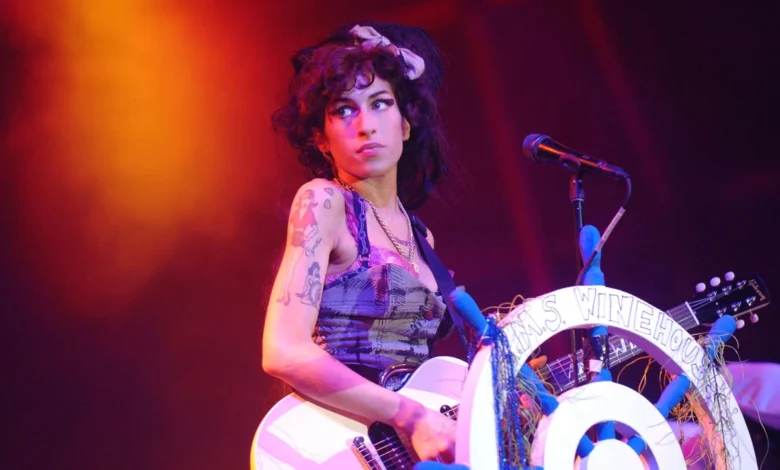
Fifteen years after the untimely death of musical icon Amy Winehouse, her estate and family issued poignant tributes on Thursday, commemorating her indelible impact on music and culture. The anniversary prompted renewed reflections on her extraordinary talent, the pressures of fame, and her struggles with addiction, with her mother candidly sharing insights into the singer’s reluctance towards the spotlight.
A Lasting Musical Imprint
"Her voice, her songwriting, her honesty and her unique spirit remain as powerful today as ever," read a heartfelt message from Winehouse’s official Instagram account, managed by her estate. The tribute further acknowledged the global fanbase: "Thank you for keeping her memory alive through the music she loved so much." This sentiment underscores the enduring connection her music maintains with audiences worldwide, transcending the passage of time. Her distinctive contralto vocals, deeply personal lyrics, and unique blend of jazz, soul, R&B, and doo-wop influences continue to resonate, inspiring new generations of artists and captivating listeners.
Amy Winehouse tragically passed away on July 23, 2011, at the age of 27, with the official inquest citing alcohol poisoning as the cause, classified as a "death by misadventure." Her death shocked the world, cementing her place in the tragic "27 Club" alongside other legendary musicians who died at the same young age, including Jimi Hendrix, Janis Joplin, Jim Morrison, and Kurt Cobain. The anniversary serves as a somber reminder of a prodigious talent lost too soon and the ongoing challenges of mental health and addiction within the entertainment industry.
Janis Winehouse’s Candid Reflections on Fame and Addiction
In a recent interview with The i magazine, Amy’s mother, Janis Winehouse, offered a deeply personal perspective on her daughter’s journey and the profound grief she continues to navigate. Her reflections illuminated the complex relationship Amy had with her own success and the devastating grip of addiction.
"She was a victim of her own success," Janis stated, painting a picture of a young woman overwhelmed by the very adoration she garnered. "She didn’t want it, but it just followed her. And she’d be like, ‘Who, me?’" This observation highlights the paradox of Winehouse’s career: while she possessed an undeniable gift for performance and songwriting, the intense public scrutiny and the demands of global stardom appeared to clash with her inherent personality and desire for a more private existence. The sudden explosion of fame following the release of Back to Black transformed her from a respected jazz-influenced artist into a tabloid fixture, a role she visibly struggled to reconcile.
Janis further delved into the underlying vulnerabilities that, in her view, fueled Amy’s struggles. "She didn’t have confidence. Hence the alcohol. I think it’s the same with many, many addicts with alcohol. The alcohol takes away the pain. And that is a horrible thing with addiction. Once you’re addicted, you’re addicted. The only boss is the addiction." This poignant insight speaks to the profound psychological toll that lack of self-confidence can take, often leading to self-medication as a coping mechanism. Her mother’s description of addiction as "the only boss" powerfully conveys the insidious nature of the disease, which strips individuals of control and agency. For Janis, dealing with the grief of losing her daughter is an ongoing process, one she confronts with a stoic resolve: "I’m just getting on with it because that’s what I do. I get on with life. I live it." Both Janis and Amy’s father, Mitch Winehouse, paid their respects by visiting Amy’s grave on Thursday, a solemn tradition observed each year.
The Rise of a Global Phenomenon: A Brief Timeline
Amy Jade Winehouse was born on September 14, 1983, in Enfield, London, into a family with strong jazz roots. Her grandmother was a singer, and her father, Mitch, frequently sang to her, nurturing her early love for music.
- Early Career (Late 1990s – Early 2000s): Winehouse began writing music and performing in her teenage years. She signed her first record deal at 19.
- 2003: Frank Released: Her debut album, Frank, was a critical success, showcasing her jazz sensibilities and mature songwriting. It was nominated for the Mercury Prize and earned her an Ivor Novello Award. Tracks like "Stronger Than Me" introduced her distinctive voice and lyrical honesty to a broader audience.
- 2006: Back to Black Ignites Stardom: Her sophomore album, Back to Black, catapulted her to international superstardom. The album, produced by Mark Ronson and Salaam Remi, was a commercial and critical juggernaut. It topped charts worldwide, becoming one of the best-selling albums of the 21st century in the UK and a global phenomenon. Singles like "Rehab," "Valerie," "Tears Dry on Their Own," and "Back to Black" became anthems, characterized by their retro-soul sound and raw, confessional lyrics detailing heartbreak and addiction.
- 2008: Grammy Triumph: At the 50th Annual Grammy Awards, Winehouse made history, winning five Grammys, including Best New Artist, Record of the Year, Song of the Year, and Best Female Pop Vocal Album. She became the first British female artist to win five Grammys in one night, solidifying her status as a global musical force. Due to visa issues, she performed "Rehab" and "You Know I’m No Good" via satellite from London.
- 2007-2011: Public Struggles and Decline: Amidst her skyrocketing fame, Winehouse’s personal struggles with drug and alcohol addiction became increasingly public and heavily scrutinized by the media. Cancelled tours, erratic performances, and highly publicized legal troubles overshadowed her musical achievements, creating a relentless cycle of media attention and personal distress.
- July 23, 2011: Tragic Passing: Winehouse was found dead in her London home. The subsequent inquest confirmed the cause as accidental alcohol poisoning.
- 2011-Present: Posthumous Releases and Legacy: A posthumous album, Lioness: Hidden Treasures, was released in December 2011, featuring unreleased tracks and demos. Documentaries, books, and a forthcoming biopic titled Back to Black continue to explore her life, music, and struggles, ensuring her story remains in the public consciousness.
The Enduring Impact of Her Music and Legacy
Amy Winehouse’s musical legacy is immense and continues to grow. Back to Black has sold over 12 million copies worldwide, cementing its place as one of the best-selling albums in UK history. Her unique fusion of genres and her ability to inject profound emotion into her vocals and lyrics redefined contemporary soul music and influenced a generation of artists across various genres. Adele, Sam Smith, Lady Gaga, and Florence Welch are just a few of the contemporary artists who have cited Winehouse as a significant influence, crediting her for paving the way for female artists to express raw vulnerability and musical authenticity.
Beyond the sales figures and awards, Winehouse’s artistry left an indelible mark through its unflinching honesty. Her lyrics often delved into themes of love, loss, heartbreak, and self-destruction with a candor that was both unsettling and deeply relatable. This raw vulnerability, combined with her powerful vocal delivery, created a connection with audiences that transcended typical pop music. She challenged conventional notions of beauty and celebrity, presenting an authentic, albeit troubled, persona that resonated with many who felt marginalized or misunderstood.
The Amy Winehouse Foundation: A Legacy of Hope
In the wake of her death, her family established The Amy Winehouse Foundation, a charitable organization dedicated to preventing the effects of drug and alcohol misuse in young people and supporting them through addiction recovery. The foundation, launched on what would have been her 28th birthday in September 2011, serves as a living testament to Amy’s spirit and a proactive response to the tragedy of her passing.
The foundation’s initiatives are diverse and impactful. It provides vital information and education about drug and alcohol awareness, offers support services to young people in recovery, and runs programs to foster self-esteem and resilience. One of its flagship projects, "Amy’s Place," offers a safe and supportive living environment for young women aged 18-30 who are recovering from addiction, providing them with a secure foundation to rebuild their lives.
To mark the 15th anniversary, the Amy Winehouse Foundation, in collaboration with the Winehouse family, recently staged a free tribute concert in London. This event served not only as a celebration of Amy’s music but also as a fundraiser and awareness campaign for the foundation’s crucial work. Such events underscore the family’s commitment to transforming their grief into a force for positive change, using Amy’s story to help others avoid similar pitfalls.
Broader Implications and Ongoing Dialogue
Amy Winehouse’s story continues to fuel important conversations about the pressures of fame, the media’s role in the lives of public figures, and the critical need for better support systems for individuals struggling with mental health and addiction. Her tragic entry into the "27 Club" highlighted a recurring pattern of artists succumbing to the intense demands and temptations of their careers, prompting greater scrutiny of the industry’s responsibilities towards its talent.
Her vulnerability exposed the often-cruel nature of tabloid journalism, which frequently sensationalized her struggles rather than offering empathy or understanding. This aspect of her story has contributed to a broader dialogue about media ethics and the human cost of relentless public scrutiny.
Ultimately, Amy Winehouse’s legacy is multifaceted. She remains an unparalleled musical talent whose unique voice and songwriting continue to inspire. Her personal battles serve as a poignant reminder of the human cost of addiction and the complex interplay between fame, mental health, and personal well-being. Through the enduring power of her music and the tireless work of The Amy Winehouse Foundation, her memory lives on, not just as a tragic figure, but as an artist whose honesty continues to resonate and whose story inspires compassion and hope for those facing similar struggles.