Reacher Star Alan Ritchson Slams Donald Trump Over Epstein Files, Drawing White House Defense

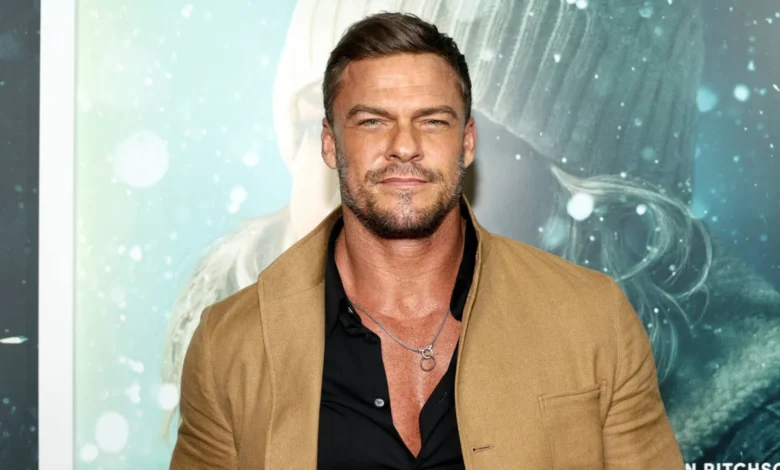
Actor Alan Ritchson, known for his lead role in the Amazon Prime Video series Reacher, ignited a fresh wave of political controversy recently with outspoken criticisms directed at former President Donald Trump regarding the handling and transparency of the Jeffrey Epstein files. In a fiery appearance on the Happy Sad Confused podcast, Ritchson characterized Trump with highly inflammatory language, calling him a "bitch" and a "fucking rapist," while also expressing profound frustration over what he perceives as a deliberate delay in the full release of documents related to the disgraced financier and convicted sex offender, Jeffrey Epstein. The White House, responding swiftly to Ritchson’s remarks, issued a staunch defense of Trump, asserting his complete exoneration from any involvement with Epstein and highlighting his administration’s actions aimed at promoting transparency and supporting victims.
Ritchson’s Outspoken Critique and Public Outcry
During his candid interview on the Happy Sad Confused podcast, Alan Ritchson did not mince words, channeling palpable anger and frustration into his commentary on the ongoing saga surrounding the Jeffrey Epstein files. His remarks quickly spread across social media and news outlets, drawing both support and condemnation. Ritchson’s primary contention revolved around the perceived sluggishness and incompleteness of the document releases, which he believes are crucial for accountability. "The Epstein files, the fucking Epstein files! Goddamn it! Where are they? It’s a fucking law, bitch. Show it. You fucking pedophiles!" Ritchson exclaimed, his voice conveying a mix of outrage and impatience. He further asserted, "This is my fucking politics, dude. I would fucking railroad these fuckers. I would get those Epstein files out in two seconds. Fucking move out of the way. I don’t care what room they’re in, bitch, move. Give me the fucking manila envelope. I will get you the Epstein files. Don’t you want to see what’s in there, so that we can hold people accountable? These fucking rapists! We’re just cool with it?"
The actor’s impassioned plea for transparency and justice, though delivered with raw and expletive-laden language, resonated with a segment of the public that shares concerns about potential cover-ups or deliberate obfuscation surrounding the Epstein scandal. His specific accusation of Trump as a "fucking rapist" likely alludes to various sexual assault allegations that have been made against the former president, including those detailed in civil lawsuits, which Trump has consistently and vehemently denied. By linking these accusations with the broader frustration over the Epstein files, Ritchson effectively merged two highly contentious public debates into a singular, explosive statement, further polarizing an already charged political landscape. His comments highlight a growing impatience among some members of the public regarding the pace of justice and accountability in high-profile cases involving powerful individuals.
White House Defense and Counter-Claims
In the immediate aftermath of Ritchson’s viral podcast appearance, the White House issued a robust defense of Donald Trump, delivered through spokeswoman Abigail Jackson. In a statement provided to Entertainment Weekly, Jackson directly addressed Ritchson’s allegations and sought to reframe Trump’s role and actions concerning the Epstein affair. "Just as President Trump has said, he’s been totally exonerated on anything relating to Epstein," Jackson asserted, echoing Trump’s long-standing denials of any wrongdoing or significant involvement with Epstein’s illicit activities. This claim of total exoneration refers to Trump’s consistent position that his interactions with Epstein were minimal and purely social, and that he was unaware of Epstein’s criminal enterprises.
Jackson further elaborated on the Trump administration’s purported efforts to promote transparency and assist victims. She cited several actions, stating, "And by releasing thousands of pages of documents, cooperating with the House Oversight Committee’s subpoena request, signing the Epstein Files Transparency Act, and calling for more investigations into Epstein’s Democrat friends, President Trump has done more for Epstein’s victims than anyone before him."
The mention of "releasing thousands of pages of documents" refers to the broader legal process of unsealing court records related to Epstein and his co-conspirators, which has occurred over several years through various judicial orders. The claim of "cooperating with the House Oversight Committee’s subpoena request" points to instances where the administration might have provided information or personnel to congressional inquiries. The "Epstein Files Transparency Act" is a more complex point. While no specific bill by that exact name was signed into law by Trump, his administration did support efforts to empower victims and increase transparency. For instance, President Trump signed the "Ending Forced Arbitration of Sexual Assault and Sexual Harassment Act of 2021" in March 2022, which allowed victims to pursue litigation outside of arbitration, a significant victory for survivors. The White House’s statement likely frames these broader actions under a generalized "Transparency Act" umbrella to underscore Trump’s commitment to the issue. Finally, the strategic pivot to "calling for more investigations into Epstein’s Democrat friends" serves as a political counter-punch, attempting to shift scrutiny onto political opponents and reinforce the narrative that Trump himself was not deeply implicated. This comprehensive defense aims to discredit Ritchson’s accusations and paint Trump as a champion for victims and transparency.
The Shadow of Jeffrey Epstein: A Brief History
To fully comprehend the depth of Ritchson’s frustration and the White House’s defensive posture, it is essential to revisit the complex and disturbing history surrounding Jeffrey Epstein. Jeffrey Epstein was an American financier and convicted sex offender who cultivated an extensive network of influential acquaintances across various sectors, including politics, entertainment, and business. His life was marked by extreme wealth, social connections, and ultimately, egregious criminal behavior.
Epstein’s legal troubles first came to widespread public attention in 2008 when he pleaded guilty to state charges of soliciting prostitution from a minor and procuring a minor for prostitution in Florida. A controversial non-prosecution agreement with federal prosecutors, orchestrated by then-U.S. Attorney Alexander Acosta, allowed Epstein to serve a lenient 13-month sentence in a private wing of a county jail, with significant work release privileges. This plea deal, widely criticized as a "sweetheart deal," largely shielded his powerful associates from scrutiny and denied justice to many victims.
The scandal resurfaced dramatically in July 2019 when Epstein was arrested again on federal charges of sex trafficking minors in Florida and New York. His arrest triggered renewed outrage and intense media coverage, bringing the full extent of his alleged network of abuse back into the public consciousness. However, just over a month after his arrest, Epstein was found dead in his cell at the Metropolitan Correctional Center in New York City, ruled a suicide by hanging. His death, occurring while he was awaiting trial and without the opportunity for victims to confront him in court, fueled widespread conspiracy theories and deepened public distrust in the justice system, particularly regarding the accountability of powerful individuals.
The "Epstein files" themselves primarily refer to a trove of court documents, depositions, witness testimonies, and other evidence that have been slowly unsealed over the years as part of civil lawsuits, most notably a defamation case brought by Virginia Giuffre against Epstein’s alleged madam and accomplice, Ghislaine Maxwell. These documents contain names of individuals who allegedly interacted with Epstein, visited his properties, or were otherwise connected to his orbit. The public’s intense interest stems from the hope that these files might finally reveal the full extent of Epstein’s network, identify co-conspirators, and bring long-overdue justice to his victims. The perceived slow pace and redactions within these releases have been a continuous source of public frustration, feeding into the very sentiments expressed by Alan Ritchson.
The Unsealing of the Epstein Files: A Chronology
The journey to unseal the Jeffrey Epstein files has been protracted and fraught with legal battles, reflecting a persistent tension between privacy concerns, judicial due process, and the public’s demand for transparency. The documents originate primarily from a 2015 civil defamation lawsuit filed by Virginia Giuffre, one of Epstein’s most vocal accusers, against Ghislaine Maxwell.
- 2015: Virginia Giuffre files a civil defamation lawsuit against Ghislaine Maxwell, leading to extensive discovery, including depositions and document exchanges. These documents are initially placed under seal.
- 2019: Following Epstein’s federal arrest and subsequent death, public and media pressure mounts for the release of documents related to his activities and network.
- August 2019: A federal judge orders the unsealing of approximately 2,000 pages of documents from the Giuffre v. Maxwell lawsuit, including witness testimonies and specific allegations. This initial release provided the first significant public glimpse into the extent of Epstein’s operations and the individuals associated with him.
- 2020-2023: Further legal proceedings, including Maxwell’s criminal trial and subsequent appeals, lead to intermittent releases of additional documents, often heavily redacted. Each release fuels renewed media scrutiny and public speculation about the identities of unredacted names.
- December 2023 – January 2024: A series of significant judicial orders mandate the unsealing of hundreds more documents and the disclosure of nearly 200 "John Doe" names from the Giuffre v. Maxwell case. These releases garnered immense global attention as they contained names of alleged associates, victims, and individuals who visited Epstein’s properties. While many names were already public through media reports or previous court filings, the official unsealing provided new details and further corroborated existing information.
- Ongoing: Legal efforts continue, with victims’ advocates and media organizations pushing for the complete unsealing of all relevant documents, arguing that full transparency is critical for justice and to prevent similar atrocities. The process remains complex, often involving careful review to protect the privacy of victims and individuals not implicated in wrongdoing, while also weighing the public’s right to know.
Despite these incremental releases, many, including Ritchson, argue that the full scope of the files has yet to be disclosed, leading to continued frustration and suspicions of withheld information. The slow pace of disclosure, coupled with the highly sensitive nature of the content, ensures that the Epstein files remain a flashpoint in public discourse.
Donald Trump and the Epstein Connection: Denials and Scrutiny
Donald Trump’s association with Jeffrey Epstein has been a recurring subject of media scrutiny and public debate, especially since Epstein’s renewed legal troubles in 2019. The two men were known to move in similar social circles in New York and Palm Beach during the 1990s and early 2000s. Public records and photographic evidence show them together at various social events.
Crucially, flight logs from Epstein’s private jet, known as the "Lolita Express," show that Trump flew on the plane on at least one occasion in 1997. However, Trump has consistently maintained that he severed ties with Epstein years before his 2008 conviction and was never involved in or aware of Epstein’s criminal activities. In interviews, Trump has described Epstein as a "social acquaintance" and has often stated, "I knew him like everybody in Palm Beach knew him." He has also claimed that he banned Epstein from his Mar-a-Lago club after becoming suspicious of his behavior, a claim that has been difficult to independently verify definitively.
Throughout the resurgence of the Epstein scandal, Trump has repeatedly denied any wrongdoing or deep association. When pressed on the matter, he has often pivoted to criticizing Epstein’s other high-profile associates, particularly those with political affiliations different from his own. This strategy was evident in the White House’s statement, which explicitly called for "more investigations into Epstein’s Democrat friends," aiming to deflect scrutiny and politicize the issue.
The "fucking rapist" accusation leveled by Ritchson against Trump, while connected to the broader context of the Epstein files in his tirade, also resonates with other allegations against the former president. Notably, E. Jean Carroll successfully sued Trump for sexual assault and defamation, with juries finding him liable for sexual abuse and defamation in separate civil cases. Trump has vehemently denied these allegations and is appealing the judgments. Ritchson’s statement, therefore, encapsulates a broader dissatisfaction among some critics regarding various allegations against Trump, framing them within the emotionally charged context of the Epstein scandal and the perceived lack of accountability for powerful figures. The persistent denials from Trump and his administration, combined with documented historical connections, ensure that his past relationship with Epstein remains a point of intense contention and public interest.
Broader Implications: Celebrity Activism, Legal Scrutiny, and Public Trust
Alan Ritchson’s highly publicized remarks underscore several broader implications concerning celebrity activism, the ongoing legal scrutiny of the Epstein scandal, and the pervasive erosion of public trust in institutions.
Firstly, Ritchson’s outburst is a stark example of celebrity activism in the digital age. Actors, musicians, and public figures increasingly use their platforms to voice strong political opinions, often with immediate and widespread impact. While such activism can galvanize public discourse and draw attention to critical issues, it also carries the risk of alienating segments of their fanbase and inviting intense backlash, as seen in the polarized reactions to Ritchson’s comments. The use of highly charged language, while perhaps effective in conveying passion, can also detract from the substance of the message for those who prioritize decorum. This incident highlights the double-edged sword of celebrity influence: a powerful tool for advocacy, yet one that can be fraught with controversy.
Secondly, the continued legal scrutiny surrounding the Epstein files, even years after his death, speaks to the enduring demand for justice and accountability. The incremental release of documents, while providing some transparency, has not fully quelled suspicions that powerful individuals may still be shielded from prosecution. The fact that Ritchson’s frustration resonated so widely indicates a deep-seated public concern that the full truth about Epstein’s network and potential accomplices has yet to emerge. This ongoing scrutiny places immense pressure on legal systems and government bodies to demonstrate impartiality and thoroughness, particularly when dealing with allegations involving the elite.
Finally, the entire saga, from Epstein’s lenient 2008 plea deal to his death in federal custody and the slow trickle of document releases, has severely eroded public trust. Many believe that the wealthy and connected operate under a different set of rules, often escaping consequences that would befall ordinary citizens. Ritchson’s "fucking pedophiles" comment, while extreme, articulates a frustration shared by those who perceive a systemic failure to hold powerful individuals accountable for heinous crimes. The public’s skepticism is further fueled by the stark contrast between the significant legal and political fallout seen in other countries, particularly the United Kingdom, and the relative lack of criminal charges or arrests in the United States directly stemming from the unsealed Epstein files. This erosion of trust poses a significant challenge for democratic institutions and the rule of law.
International Disparities: U.S. vs. U.K. Outcomes
One of the most perplexing aspects of the Epstein scandal, and a point that implicitly underlies Ritchson’s frustration, is the stark difference in outcomes between the United States and the United Kingdom since the widespread release of the files. As noted in the original article, there has been "significant legal and political fallout in the U.K." whereas "there have been no related arrests in the U.S. to date."
In the U.K., the fallout was most prominently seen in the case of Prince Andrew, Duke of York. Following revelations and civil accusations of sexual abuse by Virginia Giuffre, tied to Epstein’s network, Prince Andrew faced immense public pressure and legal challenges. He was stripped of his military titles and royal patronages by Queen Elizabeth II in January 2022 and later reached an out-of-court settlement with Giuffre in her civil lawsuit, reportedly paying a substantial sum. This outcome, while a civil settlement and not a criminal conviction, marked a significant public and institutional repudiation of a high-ranking royal figure due to his association with Epstein.
Conversely, in the United States, despite the release of "thousands of pages of documents" and the unsealing of numerous names, the path to criminal arrests and prosecutions of individuals beyond Ghislaine Maxwell (who was convicted of sex trafficking and conspiracy to commit sex trafficking) has been notably absent. Several factors contribute to this disparity:
- Jurisdictional Differences: Legal systems and prosecutorial standards vary between countries. What constitutes sufficient evidence for a civil claim versus a criminal charge can differ significantly.
- Nature of Evidence: The unsealed documents primarily stem from civil litigation, which has a lower burden of proof than criminal prosecution. While they reveal associations and allegations, converting these into actionable criminal charges requires direct, admissible evidence proving specific criminal acts beyond a reasonable doubt.
- Statutes of Limitations: For many potential crimes related to Epstein’s activities, statutes of limitations may have expired, making prosecution difficult if not impossible for older allegations.
- Focus of Investigations: U.S. law enforcement, particularly the Department of Justice, has stated that its investigations into Epstein’s co-conspirators are ongoing. However, the complexity of international trafficking networks, the passage of time, and the difficulty of obtaining definitive evidence from deceased individuals or uncooperative witnesses present formidable challenges.
The lack of arrests in the U.S. contrasts sharply with the public and institutional reckoning observed in the U.K., fueling a narrative among critics, like Ritchson, that powerful individuals in the U.S. continue to evade justice. This disparity further exacerbates public frustration and calls for greater transparency and accountability from American legal and political institutions.
Conclusion: Ongoing Debate and Unanswered Questions
Alan Ritchson’s forceful condemnation of Donald Trump and the handling of the Jeffrey Epstein files has injected a potent dose of celebrity-driven activism into an already volatile political and legal landscape. His remarks, while polarizing due to their aggressive language, tap into a deep vein of public frustration regarding perceived delays in justice, the accountability of powerful elites, and the lingering questions surrounding Epstein’s extensive network.
The White House’s swift and firm defense of Trump underscores the sensitivity of the Epstein issue for political figures. By emphasizing Trump’s claimed exoneration and highlighting his administration’s actions on transparency and victim support, the White House aimed to neutralize Ritchson’s criticisms and reinforce a narrative of proactive engagement.
As the legal proceedings surrounding Epstein’s associates continue to unfold, albeit slowly, and as more documents potentially become public, the debate over who knew what, when, and who should be held accountable will persist. The contrast between the international fallout and the domestic lack of criminal arrests remains a significant point of contention. Ritchson’s comments, regardless of their tone, serve as a reminder that for many, the Epstein saga is far from over, and the demand for complete transparency and justice for victims continues to echo loudly in the public sphere. The incident highlights the enduring power of celebrity voices to shape public discourse and the persistent shadow cast by the Jeffrey Epstein scandal over individuals and institutions alike.