The Bro-Country Backlash: Florida Georgia Line Reunion and 2027 Festival Circuit Spark Industry Debate

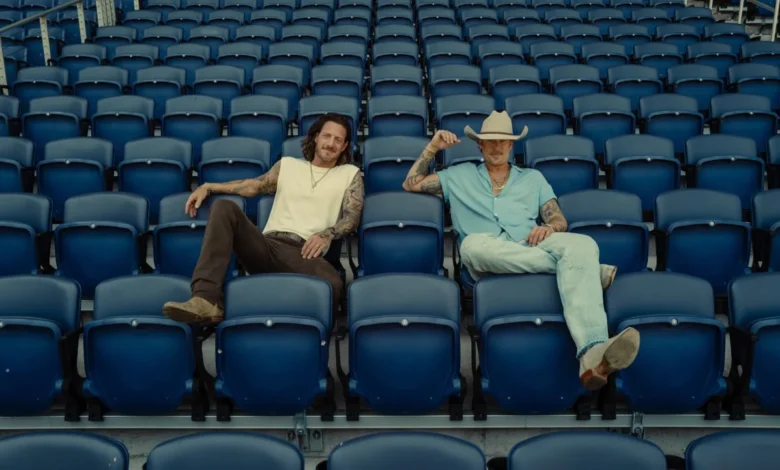
The announcement of the official reunion of the multi-platinum, genre-defining duo Florida Georgia Line has injected both anticipation and intense debate into the modern country music landscape. Originally slated for a slate of 12 major festival appearances throughout the 2027 calendar year, the reunion marks a significant milestone for a group that fundamentally reshaped the commercial boundaries of country music in the 2010s. While festival promoters anticipate strong ticket sales driven by widespread brand recognition, industry critics and traditionalist factions have questioned whether public appetite remains robust for the particular brand of "bro-country" popularized by Tyler Hubbard and Brian Kelley.
Main Facts of the Reunion
Florida Georgia Line officially disbanded in 2022 following a decade-long run defined by massive crossover hits, stadium-scale tours, and polarizing stylistic choices that blended hip-hop beats, pop production, and traditional country signifiers. The sudden announcement of their return details a targeted festival run for 2027 rather than a standalone arena or stadium headlining tour.
The initial rollout began with marquee festival bookings, most notably California’s premier country music gathering, Stagecoach, alongside upcoming appearances at major regional events such as the Carolina Country Music Fest in June 2027. Despite their historical status as chart-topping heavyweights, promotional placement at these events has highlighted shifts in the contemporary touring hierarchy. At Stagecoach, for instance, the reunited duo was slotted into high-profile late-night and ancillary performance roles rather than traditional standalone headlining positions, sharing bills with contemporary traditionalists and crossover acts alike.
Chronology and Historical Context
To understand the weight of the 2027 reunion, it is necessary to examine the trajectory of Florida Georgia Line from their 2012 breakout to their indefinite hiatus:
- 2012: Florida Georgia Line releases their debut single, "Cruise," which becomes an unprecedented commercial juggernaut, eventually achieving Diamond certification by the Recording Industry Association of America (RIAA). The remix featuring pop artist Nelly further blurs genre lines and sets a template for the commercial subgenre later dubbed "bro-country."
- 2013–2018: The duo dominates mainstream country radio and Billboard charts with successive multi-platinum albums (Here’s to the Good Times, Anything Goes, Dig Your Roots) and chart-topping collaborations with artists like Backstreet Boys and Bebe Rexha ("Meant to Be").
- 2020–2022: Amid reported creative differences, divergent political viewpoints during the COVID-19 pandemic, and individual entrepreneurial pursuits, the members signal a shift toward solo projects. In late 2022, they officially confirm an indefinite hiatus following their final scheduled performances.
- 2023–2025: Both Tyler Hubbard and Brian Kelley pursue solo careers. Kelley focuses on coastal-themed country music, while Hubbard launches a solo radio career, securing moderate chart success and supporting larger arena tours.
- Late 2026: Promoters announce the reunion plans for the 2027 festival season, signaling an end to the brief four-year hiatus.
Supporting Data and Market Dynamics
The decision to anchor the reunion exclusively within multi-day festival settings rather than a dedicated national tour highlights a strategic pivot by booking agencies navigating fluctuating post-pandemic concert economics. In recent years, major tours across various genres have experienced uneven demand, with dynamic pricing models and rising ticket costs occasionally leading to softer-than-expected attendance outside of a select few premier touring acts—such as Morgan Wallen, Luke Combs, and Chris Stapleton.
Festival routing allows promoters to aggregate diverse fanbases, mitigating the financial risk associated with booking standalone arena shows for acts whose core commercial peak occurred nearly a decade prior. While Florida Georgia Line accumulated 19 number-one singles on Billboard’s Country Airplay chart and sold millions of digital tracks during their active years, the current 2027 concert landscape favors artists who have maintained continuous, critically stable momentum or those deeply aligned with the ongoing neo-traditionalist revival led by artists like Zach Top and Tyler Childers.
Individual Trajectories and Solo Endeavors
The commercial performance of the members’ respective solo careers during the hiatus heavily influenced the strategy behind the 2027 festival bookings. Tyler Hubbard transitioned into a traditional radio-friendly solo format, securing moderate airplay but generally playing smaller venues, frequently appearing as a direct support act for fellow pop-country contemporaries such as Dan + Shay. Brian Kelley maintained a niche following with independent releases emphasizing beach-lifestyle aesthetics.
Industry analysts note that while individual solo efforts demonstrated dedicated fanbases, neither member replicated the monolithic commercial dominance they achieved collectively as Florida Georgia Line. Reuniting under the established brand name serves as a commercial imperative to recapture the massive festival-scale audiences that defined their peak years.
Industry Reactions and Cultural Implications
The reaction to the reunion underscores a deeper ideological split within country music culture. On one side, commercial pop-country consumers and festival organizers view the return of Florida Georgia Line as a welcome celebration of high-energy, nostalgic 2010s anthems that defined a generation of tailgate culture and crossover radio dominance. Promoters anticipate strong multi-generational attendance, relying on the enduring ubiquity of tracks like "Cruise," "Get Your Shine On," and "H.O.L.Y."
Conversely, roots-music purists and industry critics argue that the return of the duo represents a regressive step for a genre that has spent the mid-2020s cultivating a return to organic instrumentation, storytelling, and traditional songwriting values. The pivot toward festival circuits rather than standalone tours is viewed by some commentators as a reflection of changing consumer tastes, suggesting that while nostalgic novelty holds strong appeal in a party-atmosphere setting, contemporary audiences may no longer support the stylistic excess that characterized the height of the bro-country era.
Broader Impact on the 2027 Festival Season
As festival organizers finalize their lineups for 2027, the inclusion of Florida Georgia Line serves as a test case for the commercial viability of 2010s pop-country nostalgia. With at least 12 major festival dates confirmed, the success or failure of these performances will likely dictate whether the reunion extends into a broader, standalone tour or remains an isolated event designed to capitalize on short-term festival economics. Regardless of critical reception, the return of one of the 21st century’s most commercially successful country acts guarantees significant media attention and high-visibility debate as the 2027 touring season approaches.
Related posts: