VirtualDJ Officially Integrates AlphaTheta OneLibrary to Eliminate Cross-Platform Friction

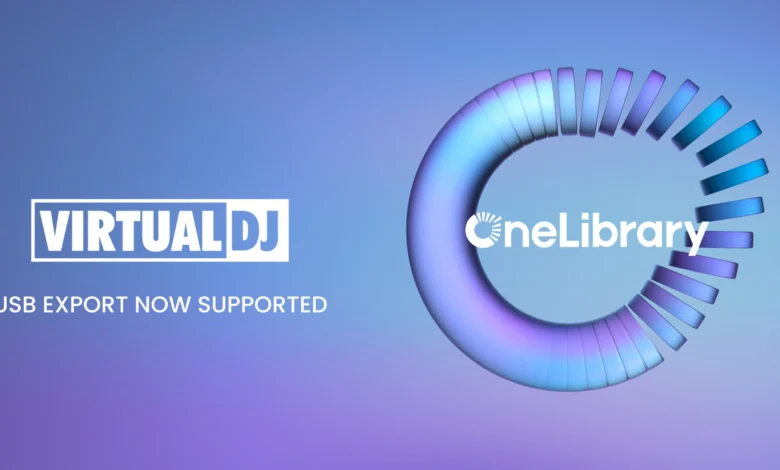
The landscape of professional DJing has long been defined by proprietary walled gardens, forcing performers to meticulously manage separate music libraries, metadata, playlists, and cue points for different hardware ecosystems. However, a major development is reshaping this workflow. AlphaTheta and Atomix Productions have officially announced that VirtualDJ now offers native support for OneLibrary, a revolutionary unified music library format. This integration allows DJs to carry a single, seamless collection—complete with playlists, Hot Cues, and precise beatgrids—across software platforms and hardware from competing manufacturers without the tedious process of conversion or re-tagging.
For working DJs, club residents, and touring artists who frequently encounter varied booth setups, this update addresses one of the most persistent operational hurdles in modern performance. By bridging the gap between laptop-based software and standalone club hardware, the partnership between AlphaTheta and Atomix Productions signals a decisive industry shift toward open standards, interoperability, and greater creative freedom.
Seamless Integration and Hardware Compatibility
Under the new update, VirtualDJ users can directly export their curated music libraries onto a standard USB drive formatted for OneLibrary. Once exported, these drives can be plugged straight into an expanding roster of industry-standard AlphaTheta hardware. The initial rollout supports a robust lineup of flagship and club-ready gear, including the CDJ-3000X, CDJ-1500X, XDJ-AZ, XDJ-AN, OPUS-QUAD, and OMNIS-DUO.
Previously, DJs switching from a VirtualDJ software setup at home to a club-standard hardware ecosystem were required to run their tracks through intermediary software, re-analyze beatgrids, and reset performance data. The implementation of OneLibrary eradicates these redundancies. Playlists constructed in VirtualDJ retain their exact structure, cue points remain precisely locked to transients, and performance history travels effortlessly from the studio to the main stage.
For performers who operate within hybrid workflows—frequently splitting their time between rekordbox and VirtualDJ—AlphaTheta recommends running rekordbox version 7 or later in tandem with OneLibrary. This pairing optimizes backend library management, ensuring enhanced stability, faster data transfer speeds, and flawless metadata synchronization during intense live environments.
The Genesis and Evolution of OneLibrary
The introduction of OneLibrary did not happen overnight; it represents the culmination of a collaborative multi-brand effort launched in October 2025. Conceived by AlphaTheta in cooperation with other prominent hardware and software manufacturers, the initiative was established to tackle the longstanding fragmentation of the DJ technology market.
Historically, major manufacturers built proprietary formats to keep users anchored within their specific software and hardware ecosystems. While this business model provided commercial security for individual brands, it placed an immense logistical burden on DJs, who often had to maintain multiple versions of the same music library on different storage media. Recognizing that technological friction was hindering creative workflow, industry leaders began exploring open standards that would allow equipment from different makers to read the same underlying database architecture.
OneLibrary was designed precisely for this purpose. By standardizing the way playlists, track information, and performance data are read and written, the format serves as a universal translator. The addition of VirtualDJ—one of the industry’s most enduring and widely used software platforms—marks a monumental milestone for the standard, proving that the initiative is gaining traction well beyond AlphaTheta’s immediate hardware ecosystem.

Industry Perspectives and Official Statements
The collaboration between AlphaTheta and Atomix Productions is significant not only for its technical implications but also for what it signifies regarding corporate cooperation in the DJ technology sector. Atomix Productions CEO Stephane Clavel emphasized that the integration aligns seamlessly with VirtualDJ’s historic philosophy of universal accessibility.
"DJs shouldn’t have to adapt to technology—technology should adapt to DJs," Clavel stated following the announcement. "That’s why VirtualDJ has always prioritized openness and compatibility, enabling DJs to use any hardware, any format, and any workflow without friction. We welcome initiatives like OneLibrary that move the industry toward greater interoperability and simplicity."
Industry analysts note that Atomix Productions’ willingness to embrace a standard closely associated with competitor hardware ecosystems demonstrates a maturing market. Rather than competing purely on closed software-hardware lock-in, companies are increasingly realizing that user retention is better secured through superior performance, reliability, and flexibility.
AlphaTheta echoed these sentiments, confirming that the company is actively working on expanding OneLibrary support to a broader range of products. The long-term vision articulated by the hardware giant is a completely unified DJ market where performers can build their sets, curate their collections, and execute their performances entirely unconcerned with the brand logo printed on the faceplate of the gear in front of them.
Broader Market Impact and Future Implications
The adoption of OneLibrary by VirtualDJ is expected to trigger a ripple effect across the global DJ community. For mobile DJs, wedding performers, and festival headliners alike, the reduction of prep time translates directly to increased efficiency and creative flexibility. When preparation is streamlined, artists can dedicate more energy to track curation and performance dynamics rather than technical troubleshooting.
Furthermore, this development sets a powerful precedent for other software developers and hardware manufacturers. As artists increasingly demand open ecosystems, companies that resist interoperability risk alienating a modern generation of DJs who expect their digital tools to communicate seamlessly, much like modern office or creative suites in other media industries.
For artists eager to adopt the new workflow, the necessary software updates are already rolling out. The latest version of VirtualDJ featuring native OneLibrary support is currently available for download via the official VirtualDJ portal. Meanwhile, comprehensive documentation, technical specifications, and setup guides for the new format can be accessed directly through AlphaTheta’s dedicated OneLibrary web page.
As the lines between software platforms and standalone hardware continue to blur, the integration of OneLibrary into VirtualDJ stands as a definitive step forward. It signals an era where technical barriers are systematically dismantled, leaving the focus where it has always belonged: on the music and the art of performance.