Jim Blaha Returns With Hang From A Cloud A Raw Solo Dispatch From The Minneapolis Underground

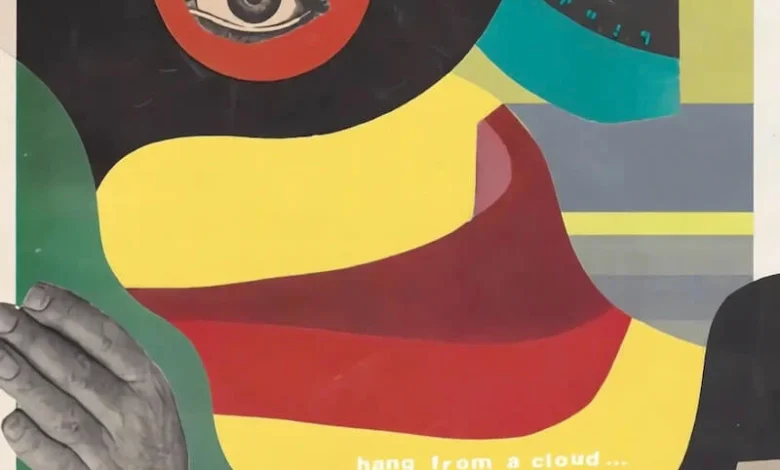
The contemporary landscape of independent rock music often prioritizes high-definition production values, pristine digital mixing, and carefully curated aesthetic personas. Yet, a persistent undercurrent of artists continues to champion the tactile, imperfect qualities of analog recording and bedroom-bound craftsmanship. Jim Blaha, a veteran figure of the Minneapolis underground music scene, exemplifies this uncompromised ethos with his latest solo release, Hang From A Cloud. Recorded entirely within the confines of a domestic environment, the album strips away the insulating layers of modern studio gloss to present a collection of garage-psych and punk compositions defined by their raw fidelity and emotional urgency.
For followers of the Midwest independent circuit, Blaha is hardly an unfamiliar name. Over a career spanning multiple decades, he has operated as a foundational contributor to the region’s gritty rock lineage, navigating the shifting tides of the music industry while maintaining a steadfast commitment to D.I.Y. principles. Hang From A Cloud functions not merely as another entry in his extensive discography, but as a distillation of years spent absorbing the lessons of underground punk, melodic garage rock, and psychedelic texture. The resulting record captures a distinct moment of artistic isolation and introspection, channeled through crackling microphones, overdriven amplifiers, and a palpable sense of romantic desperation.
The Anatomy of a Bedroom-Recorded Soundscape
The production methodology behind Hang From A Cloud plays a vital role in shaping its overarching aesthetic. Eschewing the commercial recording studios that often dictate the sonic standards of contemporary releases, Blaha opted for a decentralized, intimate workspace. Bedroom recording, historically associated with the lo-fi movements of the 1990s and the modern democratization of digital audio workstations, forces a unique creative constraint upon the songwriter. Every sonic choice—from the placement of a vocal microphone to the natural acoustic reflections of a residential room—becomes an intrinsic part of the final composition.
On tracks such as the breathy and hypnotic Some New Day, this stripped-down approach yields a stark intimacy. The listener is positioned close to the source material, able to discern the mechanical nuances of instrument handling and the subtle shifts in vocal delivery. Conversely, on more aggressive numbers like D.O.A., which utilizes furious, sotto voce anthems, the lo-fi framework transforms into a stylistic weapon. The slight distortion of overdriven inputs and the compression inherent in domestic recording gear enhance the visceral impact of the punk arrangements, creating a wall of sound that feels both immediate and perilous.
This unfiltered aesthetic serves as a deliberate counterweight to the hyper-polished output dominating commercial streaming platforms. By allowing technical imperfections to remain intact, Blaha preserves the fleeting emotional energy of the initial performance. The record crackles—both literally and figuratively—with a restless tension that cannot be easily replicated within the sterile environment of a professional facility.
Chronology of the Minneapolis Underground and Blaha’s Evolution
To fully contextualize Hang From A Cloud, one must examine the rich musical history of Minneapolis, a city that has punched significantly above its weight class in shaping American alternative music. From the foundational punk eruptions of the late 1970s and 1980s—spearheaded by acts like The Replacements, Hüsker Dü, and Soul Asylum—to the subsequent waves of indie rock, noise pop, and experimental garage sounds, the Twin Cities have maintained a fiercely independent cultural identity.
Jim Blaha’s trajectory within this ecosystem reflects the endurance required to sustain a career far from the mainstream spotlight. Emerging decades ago amidst the city’s dense web of basements, dive bars, and independent record stores, Blaha honed his craft through various collaborative projects and band iterations. Each era of his career contributed distinct elements to his musical vocabulary: the structural economy of punk rock, the textural experimentation of psych-rock, and the narrative directness of classic garage songwriting.
As the music industry transitioned from physical media dominance to the streaming economy, the realities of operating within the underground shifted dramatically. Touring costs rose, physical distribution networks contracted, and the financial viability of maintaining a traditional band structure became increasingly difficult for independent artists. In response, many veterans of the circuit embraced a solitary working model. Hang From A Cloud represents the culmination of this historical evolution—a record made by an artist who knows how to utilize every tool at his disposal, operating independently of external schedules, label pressures, or large production budgets.
Supporting Data and Production Metrics in the Lo-Fi Sector
The release of Hang From A Cloud arrives during a measurable resurgence in physical media consumption and a parallel appreciation for lo-fi, independent releases within specific niche markets. According to recent reports from industry data tracking firms such as Luminate, vinyl record sales have experienced continuous annual growth over the past fifteen years, often outpacing compact discs and driving boutique labels to seek out authentic, unpolished recordings that appeal to dedicated collectors.
Within the independent cassette and vinyl underground, releases characterized by bedroom-recorded aesthetics have carved out a resilient market share. Industry surveys indicate that independent music consumers increasingly value authenticity and tactile connection—factors heavily amplified by the rise of algorithm-driven recommendation engines on major streaming services. When listeners encounter a record like Hang From A Cloud, the immediate, unvarnished nature of the audio provides a refreshing antidote to heavily compressed, master-optimized pop and rock productions.
While exact commercial sales figures for localized independent releases often remain proprietary, data from independent distributors suggest steady, loyal consumption patterns among collectors of regional garage-psych and punk. Artists working in this tier typically rely on direct-to-fan platforms, independent record stores, and specialized blogs like Aquarium Drunkard to build and sustain their audiences, bypassing traditional corporate radio and mainstream promotional pipelines entirely.
Industry Perspectives and the Ethos of Independent Longevity
While major labels continue to invest heavily in algorithmic trend-chasing and high-budget studio productions, the independent sector relies on a different set of metrics for success: longevity, artistic integrity, and community resonance. Observers of the independent music landscape frequently note that artists who endure over decades do so by maintaining a direct, unmediated relationship with their audience.
Although formal press statements and corporate press releases are rarely issued for localized bedroom recordings, the critical reception within the independent music community speaks volumes. Peers and critics alike often highlight the rarity of an artist maintaining a raw, uncompromising vision across a multi-decade career. In interviews and retrospective analyses of the Minneapolis scene, veterans frequently emphasize that the city’s harsh winters and working-class roots have historically fostered a resilient breed of musicians—artists who view creation not as a commercial product, but as an essential, daily practice.
Hang From A Cloud fits comfortably into this tradition. It avoids the polished commerciality that often accompanies late-career retrospective albums, choosing instead to sound as hungry and desperate as a debut release from a twenty-something garage band. This refusal to soften or refine his edges demonstrates an unwavering commitment to the artistic standards Blaha has upheld throughout his tenure in the underground.
Broader Impact and Implications for the DIY Community
The release of Hang From A Cloud carries implications that extend beyond an individual discography, serving as a case study in the viability of sustained, independent artistic production in the modern era. As economic pressures mount on independent musicians—driven by inflation, rising touring expenses, and diminishing streaming payouts—the solitary recording model is becoming an increasingly practical necessity.
By demonstrating that a compelling, high-impact record can be constructed alone in a domestic space without the backing of a major studio budget, Blaha offers a blueprint for younger generations of garage and punk musicians. The album underscores the reality that compelling songwriting and emotional honesty consistently outweigh technical perfection and high-cost production values.
Furthermore, records like Hang From A Cloud reinforce the cultural importance of regional music hubs outside of traditional industry capitals like New York and Los Angeles. Minneapolis continues to prove that vital, culturally rich art can be generated far away from corporate boardrooms, driven purely by the internal momentum of local scenes and the dedication of lifelong practitioners.
As Hang From A Cloud makes its way through the channels of the independent music ecosystem—finding a home on turntables, cassette decks, and digital archives alike—it stands as a testament to the enduring power of the unvarnished human voice backed by an overdriven guitar. Jim Blaha has delivered a work that honors his decades in the trenches while continuing to push forward into raw, uncharted territory.