Soft Power Festival and the Future of Berlin Club Culture: A Political Crossroads Ahead of the City Election

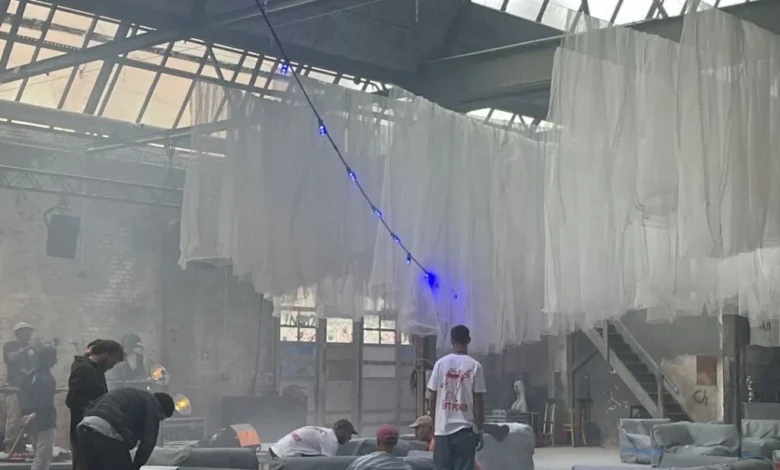
As Berlin approaches a pivotal city election, the future of its world-renowned nightlife has moved from the dancefloor to the center of the political stage. The Soft Power Festival, held at the historic Haus der Visionäre, provided the backdrop for a series of urgent discussions between nightlife stakeholders, cultural activists, and the city’s leading mayoral candidates. The event, which serves as a nexus for art, sound, and political discourse, highlighted a growing tension: while Berlin’s clubs are internationally recognized as essential cultural institutions, they remain structurally trapped in outdated legal frameworks that threaten their long-term survival.
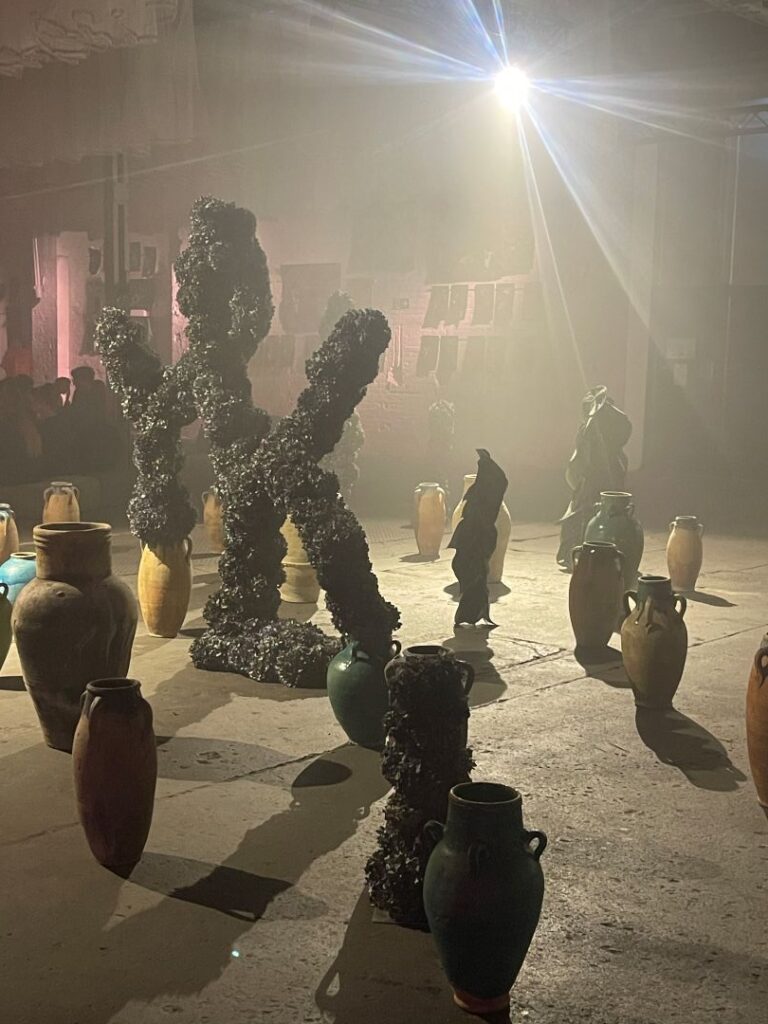
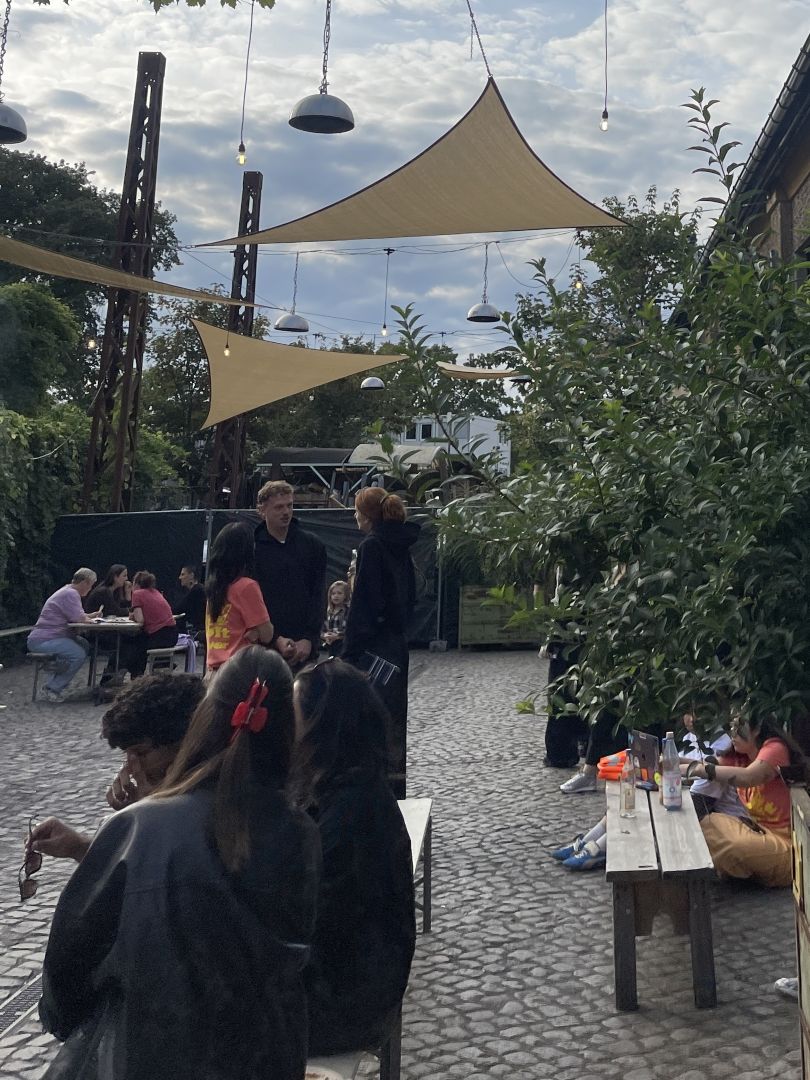
The festival itself, set within the industrial charm of 1920s-era architecture, acted as a microcosm of the current state of the industry. Amidst the meditative, synthesized soundscapes of artists like Marta Forsberg and the pulsating beats provided by DJ RAHA, the atmosphere was one of deliberate, creative intensity. Yet, behind the sensory experience, the dialogue was far from relaxed. The central question permeating the event was whether the city’s administrative apparatus can evolve fast enough to protect the venues that define Berlin’s global identity.
The Legal and Economic Chokehold on Nightlife
A focal point of the discussions was the classification of nightclubs under German building law. Despite years of advocacy from the Clubcommission and various cultural bodies, clubs are still officially categorized as "Vergnügungsstätten" (entertainment venues). This legal grouping places them in the same regulatory category as amusement arcades and brothels.
Kai Sachse of the Clubcommission noted that this classification creates a systemic disadvantage during urban development projects. When new residential buildings are constructed near established venues, the burden of noise mitigation and environmental compliance typically falls entirely on the club operators. This, coupled with the rising tide of commercial property rents and the complexities of the city’s tax reforms, has placed immense pressure on smaller, non-commercial venues.
Data from the past decade suggests that while Berlin’s cultural appeal remains high, the number of independent, underground venues has faced a steady decline due to gentrification and rising overheads. The panel argued that if Berlin truly views its clubs as culture—akin to theaters or opera houses—then these venues must be granted equal planning security and access to public cultural funding.
Chronology of the Political Debate
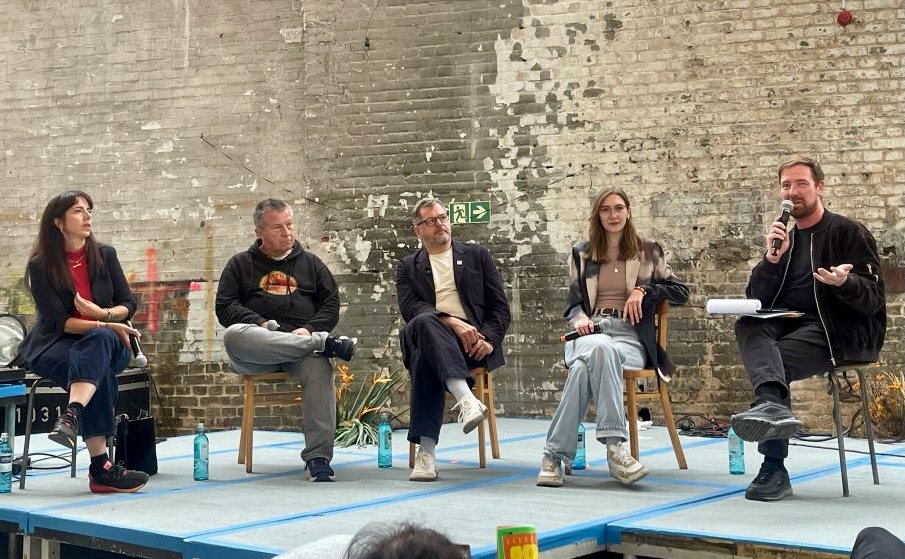
The afternoon’s agenda shifted from industry analysis to a high-stakes political panel featuring representatives from the city’s major parties: Werner Graf (Green Party), Elif Eralp (The Left/Die Linke), Tamara Lüdke (SPD), and Christian Goiny (CDU). The debate followed a logical progression:
- The Infrastructure Gap: Candidates addressed the immediate need for administrative reform, specifically targeting the "bureaucracy monster" that prevents clubs from securing stable tenures and permits.
- Economic Viability: The discussion turned to the role of the City Tax and the feasibility of state-subsidized funds for soundproofing and renovation.
- Social Responsibility and Antidiskriminierung: A sharp divide emerged regarding the role of clubs as "safe spaces" and the state’s obligation to fund awareness and anti-discrimination programs.
- Accountability: The session concluded with a tense exchange regarding recent scandals involving the misuse of cultural funding, forcing a reckoning with political oversight.
Party Platforms and Proposed Solutions
The policy proposals offered during the panel revealed distinct ideological approaches to the preservation of nightlife.
The Left (Die Linke): Elif Eralp advocated for a radical increase in cultural funding, specifically suggesting that a portion of the City Tax be redirected to a dedicated fund for soundproofing. Her platform emphasizes the creation of a centralized administrative contact point for clubs to bypass the current fragmented bureaucracy. Eralp was notably vocal regarding the necessity of long-term financial support for awareness structures, criticizing the CDU for what she termed a "culture war" against anti-discrimination efforts.
The Christian Democrats (CDU): Christian Goiny acknowledged the suffocating effect of Berlin’s bureaucracy, describing the current permitting processes as a failure of the public service. His focus is on "deregulation"—making it easier for open-air events to secure permits and reducing the burden of proof for existing venues. However, he remained cautious regarding new financial promises, citing the city’s strained budget, and was notably hesitant to commit to mandatory state-funded awareness training, suggesting it should remain a voluntary service.
The Green Party (Bündnis 90/Die Grünen): Werner Graf pushed for the institutionalization of club culture, arguing that venues should receive the same institutional support as municipal theaters. He pointed to the "Düsseldorf Model," which utilizes a central agency for large-scale event management, as a blueprint for Berlin. Graf also linked public funding to social responsibility, proposing that state grants be tied to fair labor conditions and minimum wage standards.
The Social Democrats (SPD): Represented by Tamara Lüdke, the SPD adopted a pragmatic, incrementalist approach. Lüdke emphasized that progress is already being made through reforms in the restaurant and catering laws and the digitalization of administrative procedures. She stressed the importance of securing vacant state-owned properties for interim cultural use, citing the successful preservation of the Alte Münze as a model for future cooperation between the city and cultural actors.
Broader Impact and Implications
The implications of this debate extend far beyond the weekend of the festival. Berlin’s club culture contributes significantly to the city’s tourism revenue and its "soft power" globally. The failure to address the issues of rising commercial rents and rigid building laws risks a homogenizing effect, where only high-revenue, commercialized venues can survive, eventually hollowing out the experimental spirit that made the city a cultural magnet in the first place.
Moreover, the discourse on "safe spaces" and anti-discrimination highlights a shift in the political landscape. Nightlife is no longer viewed merely as an economic sector, but as a space for democratic participation. The tension between the parties reflects a broader societal debate in Germany: how much should the state intervene in the creative economy, and where does it draw the line between regulating for public safety and stifling cultural innovation?
Conclusion: The Question of Investment
The Soft Power Festival served as a reminder that the Berlin club scene remains incredibly resilient and proactive, evidenced by the overwhelming response to recent open calls for cultural space at the Tempelhof airport. However, the energy of the scene is increasingly at odds with the glacial pace of legislative reform.
As the city moves toward the election, the core issue remains the "who pays?" dilemma. While all parties on the panel agreed that club culture is worth protecting, the divergence in their "how" demonstrates that the future of the night is not a consensus. The upcoming election will effectively decide whether Berlin will invest in the infrastructure required to sustain its creative heartbeat or allow the pressures of the real estate market to further erode its status as the world’s techno capital. The stakeholders have made their demands clear; now, the political mandate is to reconcile those needs with the fiscal and legal realities of a city in transition.