Jeni Grouws Finds Her True Voice: From Midwest Roots to Critical Acclaim and the Release of Music House

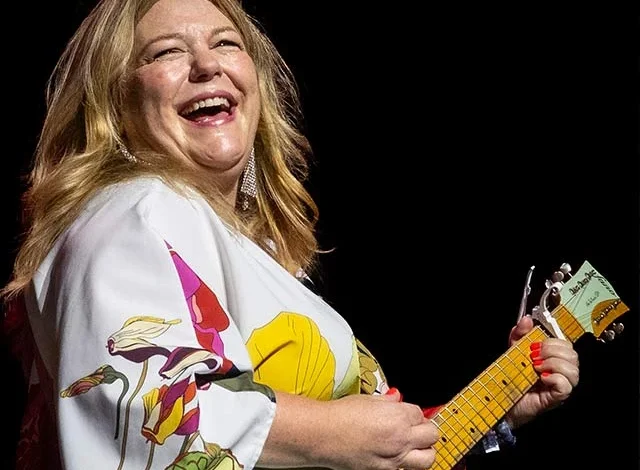
The contemporary blues and roots music landscape is characterized by artists who relentlessly forge their own paths, often defying conventional timelines and industry expectations. Among these distinctive voices is singer-songwriter Jeni Grouws, an artist whose career trajectory underscores the profound impact of late-career pivots, creative resilience, and uncompromising authenticity. Following a decade of notable success with the Avey Grouws Band—including consecutive top-ten Billboard Blues Chart appearances—Grouws has stepped firmly into her identity as a solo artist. Her latest critically acclaimed release, Music House, captures a transformative chapter defined by personal reinvention, artistic independence, and the healing power of storytelling through song. Ahead of her standout performances at the prestigious Big Blues Bender in Las Vegas, Grouws reflected on a remarkable journey that bridges a practical Midwestern upbringing with the dynamic, unpredictable life of a touring roots musician.
A Practical Beginning and the Call to Music
Growing up in the American Midwest as the eldest child in a traditional Scandinavian family, Grouws was immersed in an environment that prized self-discipline, stability, and rational decision-making. Music was present, but it occupied a space of leisure rather than vocational ambition. Even so, the earliest inclinations of her creative identity surfaced early; in kindergarten, when prompted to complete the sentence "When I grow up, I want to…", she wrote without hesitation: "be a singer."
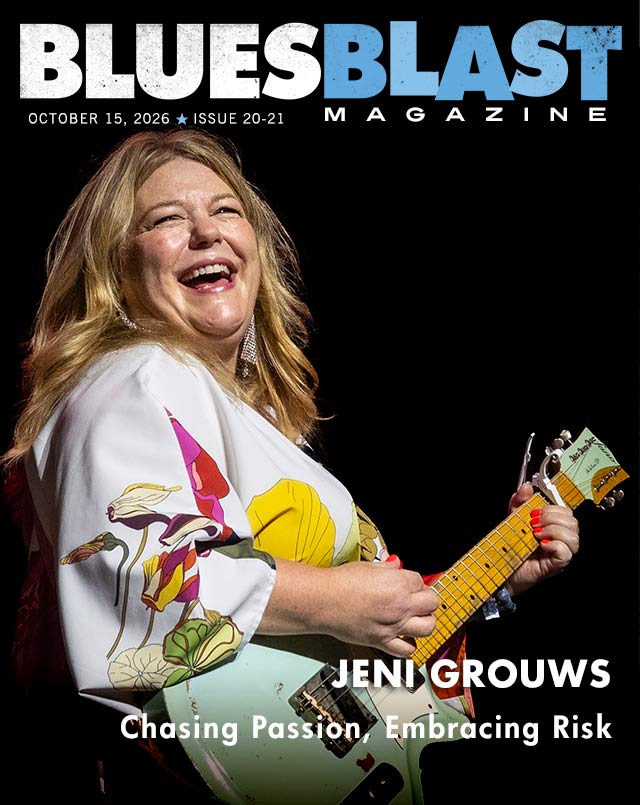
As she navigated young adulthood, marriage, and the responsibilities of raising three daughters while building a steady career in radio broadcasting—ultimately serving as a station manager and morning show host—Grouws satisfied her creative impulses by performing in local hobby bands. However, a pivotal encounter at a Quad Cities blues jam altered her trajectory entirely. Experiencing an undeniable visceral certainty about her musical path, she pursued collaboration with regional musicians with relentless determination. This persistence culminated in the formation of the Avey Grouws Band, featuring guitarist Chris Avey, bassist Randy Leasman, and drummer Bryan West.
For years, Grouws balanced the demands of a full-time radio career with the burgeoning momentum of the band. The dual existence reached a critical juncture when a prospective ownership transition at the radio station required signing a new employment contract. Recognizing that her professional life no longer aligned with her inner purpose, she made the decisive choice to leave broadcasting behind, supported fully by her family. This leap into the unknown launched a nearly ten-year chapter of significant artistic achievement.
The Avey Grouws Band Years and Billboard Success
The synergy between Grouws’s expressive vocal delivery and Avey’s sharp guitar work quickly established the band as a formidable presence in the American roots scene. In 2017, the group secured a major milestone by winning the Iowa Blues Challenge, subsequently representing the region at the 2018 International Blues Challenge in Memphis, Tennessee.
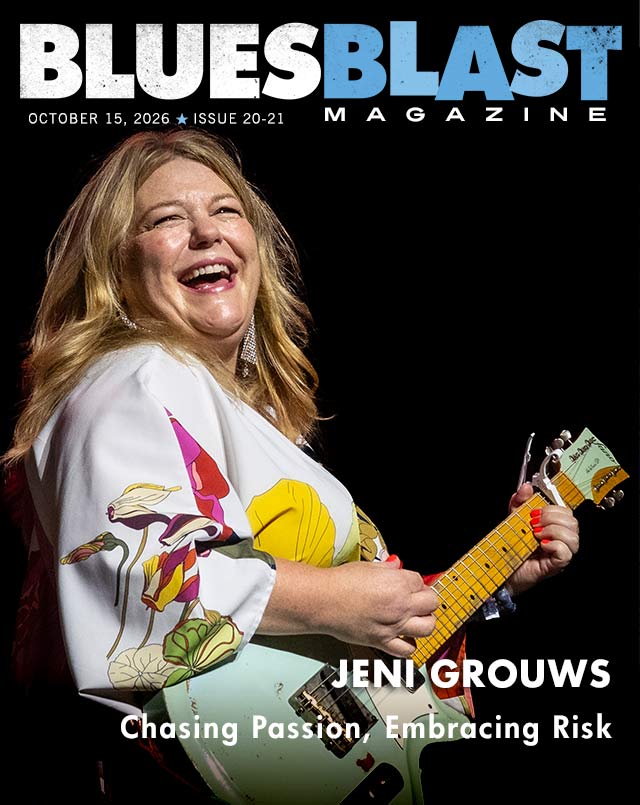
Building on their live reputation, the band released their debut full-length album, Devil May Care, in 2020. To the surprise of Grouws and her bandmates, the independent release surged onto the Billboard Blues Charts, securing a position in the top ten. Their sophomore effort, Tell Tale Heart, performed even stronger, debuting at number seven on the Billboard charts.
Operating without formal artist management or booking agency representation, Grouws relied on grassroots community-building, cultivating a loyal fan base across the Midwest and Florida. Reflecting on the unexpected chart success, Grouws noted the initial disbelief of breaking into national rankings without industry backing, eventually recognizing the power of direct listener engagement. After nearly a decade of collaboration, the Avey Grouws Band concluded amicably. Diverging personal goals—specifically Avey’s desire for geographic stability and rootedness contrasted with Grouws’s affinity for continuous touring and the transient lifestyle of the road—led the members to pursue separate paths.
Overcoming Adversity and Discovering Songwriting
Beneath the outward markers of professional success lay a deeply personal narrative of psychological endurance and recovery. Grouws’s journey into songwriting was catalyzed by a period of profound mental health struggles, originating from severe postpartum depression following the birth of her eldest daughter, compounded by national trauma surrounding the events of September 11, 2001.

Years later, watching her daughter reach the age of five triggered repressed memories of childhood trauma, precipitating a severe psychological crisis. Recognizing the gravity of her internal pain, her family intervened, facilitating professional psychiatric care. Through evidence-based therapeutic interventions—including Eye Movement Desensitization and Reprocessing (EMDR)—Grouws navigated out of isolation.
Her therapist played an instrumental role in unlocking her creative potential by literally writing a "prescription" for her to compose a song. Bound by her inclination to follow structured guidance, Grouws began writing. What started as a therapeutic exercise evolved into a profound mechanism for processing trauma and connecting with audiences. Songs such as "Last Chance"—inspired by computer science professor Dr. Randy Pausch’s renowned "Last Lecture"—and "Long Road" resonated deeply with listeners facing their own psychological and emotional battles. By embracing vulnerability, Grouws forged an empathetic bond with her audience, frequently receiving emotional responses from concertgoers who found solace in her lyrics.
The Music House Residency and the Birth of a Solo Album
The dissolution of her band coincided with a convergence of major life transitions: her divorce was finalized, her youngest child graduated high school, and she experienced the physiological shifts of menopause. Amid this period of profound uncertainty, Grouws received a stabilizing opportunity that would redefine her creative output.

Selected as the artist-in-residence at The Music House in Omaha, Nebraska, Grouws stepped into an environment designed to insulate creators from the daily pressures of economic precarity. Conceived by Jeff Davis—founder of Playing with Fire and recipient of the Blues Foundation’s Keeping the Blues Alive Award—and Vanessa Marie, the residency offers a single musician dedicated time, space, and living quarters to focus exclusively on artistic development. What was initially structured as an eight-month stay was extended due to her impactful contributions, anchoring her in a peaceful setting surrounded by gardens and nature.
This sanctuary served as the crucible for her latest solo project, Music House. Chronicling the emotional breadth of the preceding five years—encompassing grief, isolation, fear, and eventual optimism—the album reflects a mature artist stepping fully into her autonomy. To bring the vision to life, Grouws enlisted producer Casey Wasner, a Grammy-winning musician known for his work with Keb’ Mo’, Taj Mahal, Robben Ford, and Jason Isbell. Wasner assembled a stellar ensemble of studio musicians and arrangers, including Emmanuel Echem, who coordinated and arranged the album’s dynamic horn section, alongside guest instrumentalists like violinist Anne Harris.
Artistic Milestones and Thematic Depth on Music House
Music House balances emotional gravity with sharp wit. Tracks like "Heartbreak and Misery" utilize dark, atmospheric blues arrangements to deliver a humorous exploration of romantic hesitation and the hard-won peace of living alone for the first time. Grouws captures the psychological shift of a lifelong "people pleaser" discovering the quiet liberation of self-reliance.

Conversely, songs like "Let Your Eyes Lay Low" offer a meditation on empathy and emotional burnout. Written with her daughter Lillian in mind—who struggled with the weight of global crises—the track features Anne Harris’s evocative violin work, serving as a gentle reminder of the necessity of rest and psychological renewal in the face of overwhelming societal pressures.
Implications and Future Outlook
The release of Music House marks a definitive maturation for Jeni Grouws, transitioning her from the collaborative dynamics of a bandleader to a fully realized solo artist with a distinct artistic voice. Operating largely independently within the roots music industry, her trajectory highlights the viability of grassroots support models and the profound intersection between mental health advocacy and creative expression.
As she continues to tour extensively—cementing her reputation as a standout presence at major gatherings like the Big Blues Bender—Grouws remains prolific, actively writing new material and exploring future collaborations. Her journey stands as a testament to the proposition that meaningful artistic creation is not bound by conventional timelines, and that embracing vulnerability can yield work of lasting cultural and emotional resonance.