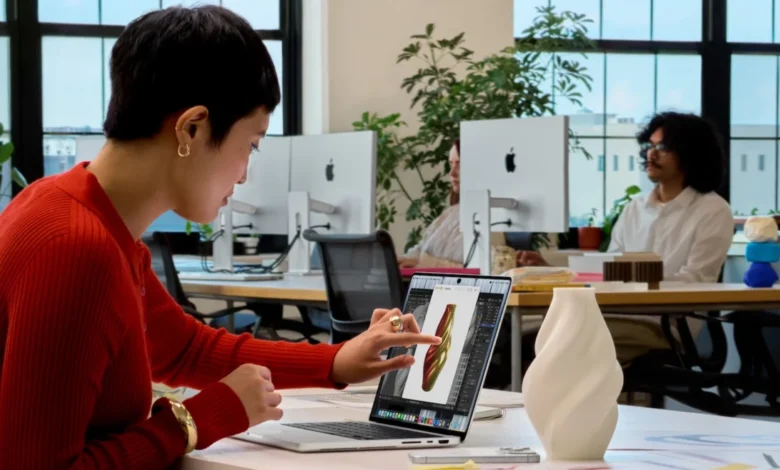
Apple Inc. has officially announced its next-generation mobile workstation lineup, introducing a feature that consumers and professional creators have anticipated for over a decade: a full multi-touch interface integrated into a professional laptop display. The newly unveiled MacBook Pro models, available in 14-inch and 16-inch configurations, are built around a brand-new PROLED XDR screen technology. Representing a radical departure from the backlit Liquid Retina XDR architecture of previous generations, these new flagship machines utilize tandem OLED panels designed to deliver unprecedented visual fidelity alongside native touch capabilities. Pre-orders for the devices have already commenced, with initial consumer shipments scheduled to arrive this coming November.
The introduction of a touchscreen MacBook Pro marks a profound philosophical shift for Apple. For years, company executives—most notably former chief design officer Jony Ive and the late Steve Jobs—publicly maintained that vertical touchscreens on laptops were ergonomically exhausting and fundamentally inferior to traditional trackpad and mouse configurations. However, shifting demands within professional creative industries, advancements in display engineering, and the maturation of iPadOS and macOS convergence have finally compelled Apple to bridge the gap between desktop-grade performance and tactile, direct-manipulation computing.
Visual Architecture of the PROLED XDR Display
At the core of the new MacBook Pro lineup is the PROLED XDR display, a technological leap that replaces conventional backlit LCDs with tandem OLED architecture. By utilizing stacked, self-illuminating organic light-emitting diode layers, the display achieves a staggering 10,000,000:1 contrast ratio. This design allows for absolute blacks alongside a peak HDR brightness rating of up to 2,000 nits, ensuring that the laptops can maintain exceptional visibility and color accuracy even in challenging lighting environments.
The integration of multi-touch functionality directly into a high-end professional panel required significant structural redesigns. Standard OLED panels risk degradation under repeated physical pressure from fingertips, prompting Apple engineers to develop a specialized, ultra-thin reinforced glass layer with an oleophobic coating that minimizes smudging while preserving tactile sensitivity. The display retains ProMotion support, offering adaptive refresh rates up to 120Hz for fluid motion handling during video playback and interactive manipulation.
Software Integration: macOS Golden Gate and Input Awareness
Hardware innovation alone cannot deliver a seamless touchscreen computing experience on a traditional desktop operating system. To address this, Apple is rolling out an optimized, input-aware software update designated as macOS Golden Gate. This operating system is engineered to dynamically alter its user interface depending on how the user interacts with the machine.
When a user’s hands rest on the physical keyboard and trackpad, macOS Golden Gate maintains a traditional, cursor-driven desktop environment. However, the moment a fingertip makes direct contact with the screen, the system transitions into a touch-optimized state. UI elements intelligently resize to accommodate finger accuracy, and dynamic buttons, sliders, and menus appear contextually near the point of contact.
Underpinning this responsiveness is a sophisticated proprietary algorithm designed to interpret complex hand and finger gestures, translating them instantly into conventional operating system click commands or fluid navigational movements. Subtle design adjustments, such as browser tabs that visibly expand and shift toward a descending fingertip, or circular context menus that bloom around a touchpoint, are intended to reduce friction and make the transition between mouse and touch feel entirely natural.
Raw Performance: The M5 Pro Max Silicon and Audio Production Integration
While the display and software interface represent the most visible changes, the internal hardware specifications underscore Apple’s commitment to high-end professional workflows. The top-tier 16-inch configuration houses an advanced 18-core M5 Pro Max system-on-a-chip (SoC), paired with a massive 40-core GPU capable of handling complex 3D rendering, real-time video compositing, and intensive machine learning tasks. Memory configurations scale up to 128 GB of unified memory, ensuring that data-intensive applications run without latency.
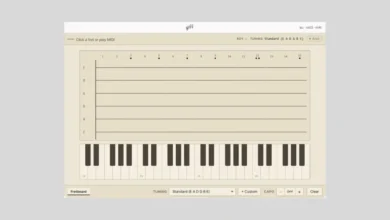
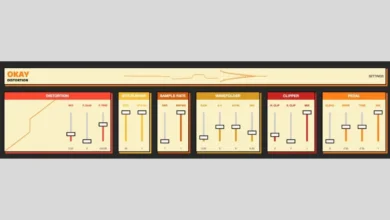
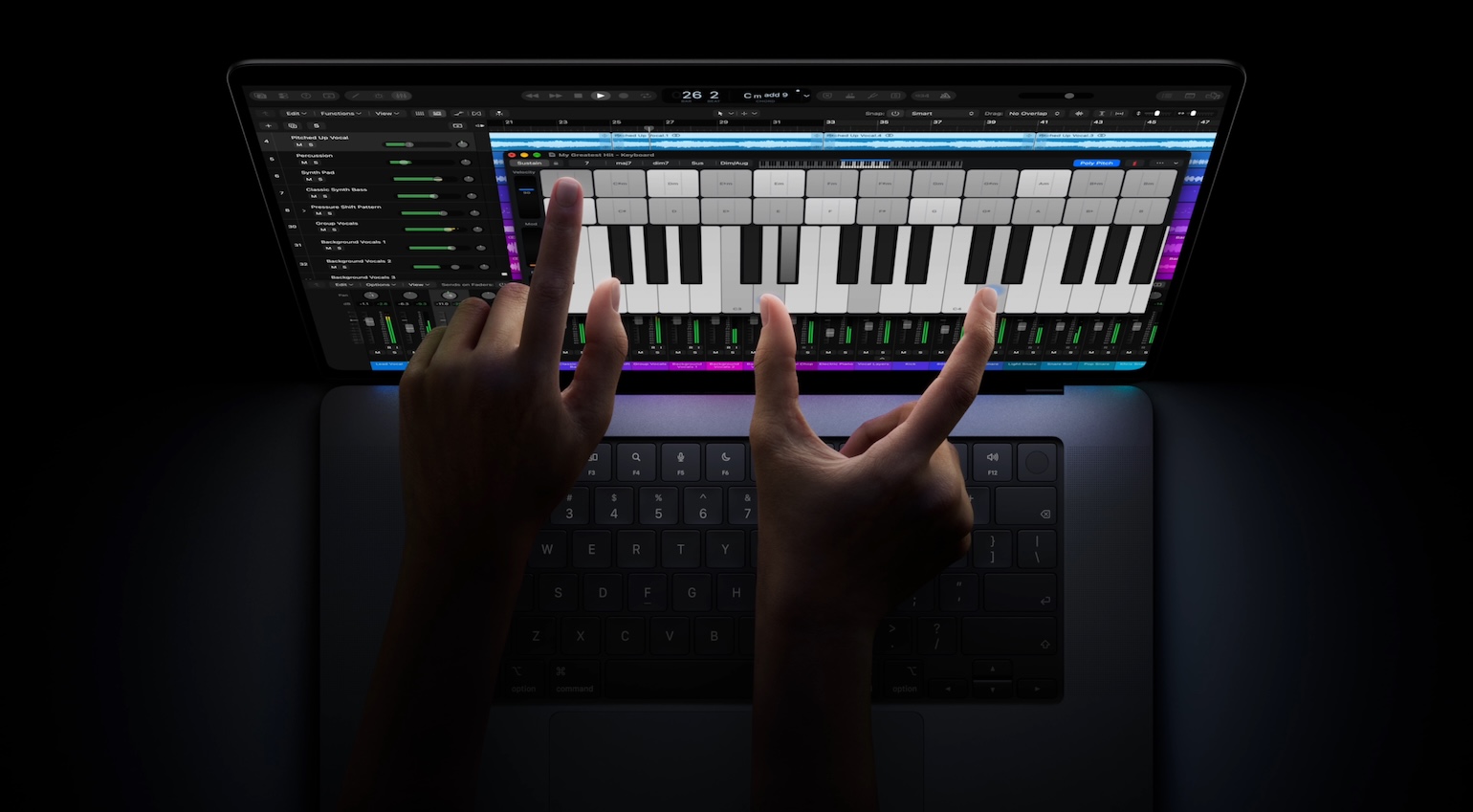
Musicians, audio engineers, and producers stand to benefit significantly from the combination of raw processing power and the new multi-touch interface. In tandem with the hardware launch, Apple has released a major update to Logic Pro specifically tailored to the PROLED XDR screen. The updated Digital Audio Workstation (DAW) introduces native multi-touch support, enabling features such as a multi-touch polyphonic software keyboard, velocity-sensitive virtual drum pads, and touch-friendly chord triggers. Furthermore, producers can now manipulate multiple software faders, EQ knobs, and plugin parameters simultaneously using multi-finger gestures—a capability previously restricted to expensive physical mixing consoles or external MIDI controllers.
Pricing, Configurations, and Market Availability
Apple has positioned the new MacBook Pro PROLED XDR lineup firmly at the top of its portable product tier, reflecting the advanced manufacturing costs associated with tandem OLED production and multi-touch digitizer integration.
The entry-level 14-inch base configuration starts at $2,899, while the larger 16-inch base configuration begins at $3,399. Fully customized builds featuring the maximum 18-core M5 Pro Max processor, 128 GB of unified memory, and expanded solid-state storage capacity will push pricing significantly higher. Pre-orders are currently live through Apple’s online store and authorized enterprise channels, with the first wave of consumer deliveries scheduled for November.
Industry Implications and Future Outlook
The launch of a touchscreen MacBook Pro carries substantial implications for the broader personal computer market. For years, Windows-based manufacturers have offered convertible and touch-enabled laptops, often positioning them as versatile alternatives to traditional clamshell designs. By refusing to enter the touchscreen laptop space, Apple maintained that macOS was fundamentally unsuited for vertical touch input.
With the debut of the PROLED XDR MacBook Pro and macOS Golden Gate, Apple has abandoned that ideological boundary, signaling that modern professional workflows demand multimodal interaction. Competitors in the Windows ecosystem, such as Dell, Microsoft, and HP, will likely face renewed pressure to match the visual fidelity of tandem OLED displays while refining their own touch and stylus interfaces.
As developers begin updating their software suites to leverage macOS Golden Gate’s input-aware APIs, the true utility of a multi-touch professional laptop will be tested. While video editors, audio producers, and digital illustrators are expected to embrace the tactile workflow enhancements, the long-term success of the platform will depend on third-party developer adoption. For now, Apple’s latest mobile workstation represents a bold, expensive, and technologically ambitious redefinition of what a professional laptop can be.