The return of Atlas Sound, the prolific solo project of Deerhunter frontman Bradford Cox, marks a significant moment in the landscape of independent music. With the release of the new single "Octoberland," Cox has officially ended a 15-year hiatus for the project, signaling a departure from the relative silence that has surrounded the moniker since the release of Parallax in 2011. The track, which dropped alongside a self-directed music video, arrives as the first piece of new material from the project in over a decade and a half, coinciding with a series of high-profile festival bookings scheduled for 2027.
A Chronology of the Atlas Sound Rebirth
To understand the weight of this announcement, one must look back at the trajectory of Bradford Cox’s creative output. Cox, a central figure in the Atlanta indie rock scene, established Atlas Sound in the mid-2000s as a laboratory for his more experimental, loop-based, and ambient inclinations.
The project’s timeline is defined by a burst of high-frequency productivity in its formative years:
- 2007: The debut album Let the Blind Lead Those Who Can See but Cannot Feel introduces the world to Cox’s bedroom-pop aesthetic.
- 2008: Logos further cements the project’s reputation, featuring collaborations with artists like Stereolab’s Laetitia Sadier and Animal Collective’s Panda Bear.
- 2011: Parallax is released to critical acclaim, representing a refined, more polished sonic direction. Following this, the project enters an extended period of dormancy as Cox prioritizes his primary band, Deerhunter.
- 2012–2026: Throughout this period, Cox remains active as a touring musician and songwriter, though the Atlas Sound name is largely retired from new studio work.
- 2026: The surprise announcement and subsequent release of "Octoberland" marks the formal reactivation of the Atlas Sound brand.
The current resurgence is not merely a one-off digital release. The project is already anchored in a robust touring itinerary for the 2027 calendar year, suggesting that this is a sustained return rather than a fleeting project revival.
The Sonic Landscape of Octoberland
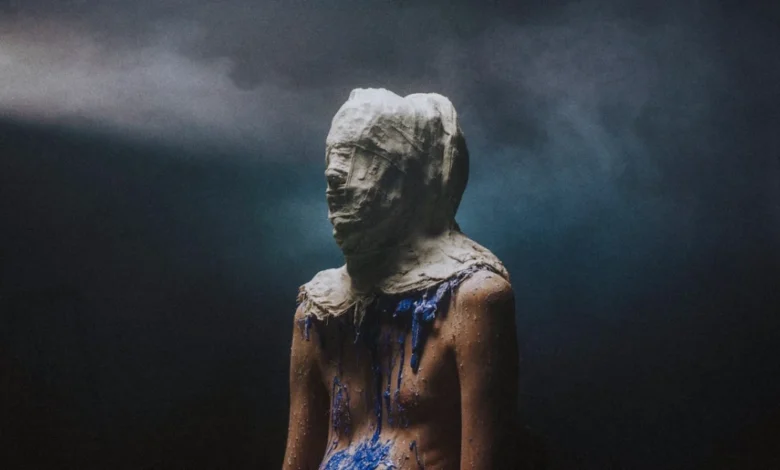
"Octoberland" serves as a bridge between the lo-fi, tape-saturated intimacy of Cox’s early work and the more expansive, avant-garde textures he has explored in the years since. The track features a deliberate, atmospheric production style that prioritizes mood over traditional song structure. The accompanying self-directed music video aligns with the visual motifs Cox has favored throughout his career: grainy, impressionistic, and deeply personal.
By revisiting the Atlas Sound moniker, Cox is reclaiming a space that allowed for a level of vulnerability and sonic abstraction that often differed from the collaborative environment of Deerhunter. In the context of modern music, where "reunion" tours and legacy acts dominate the festival circuit, Cox’s move to revive a solo project rather than a band represents a distinct strategic choice. It prioritizes artistic autonomy over the commercial expectations of a full-band reunion.
Contextualizing the Festival Circuit 2027
The announcement of the return to the stage includes several prestigious appearances:
- Big Ears Festival (Knoxville): Known for its avant-garde and experimental programming, Big Ears is a natural fit for the multifaceted nature of Atlas Sound.
- Kilby Block Party (Salt Lake City): A festival that bridges the gap between legacy indie icons and contemporary alternative acts.
- Primavera Sound (Barcelona): A global stage that will introduce the new Atlas Sound material to an international audience, underscoring the enduring appeal of Cox’s discography.
Industry analysts suggest that these bookings are indicative of the high market value still held by Cox’s catalog. Despite the 15-year gap in studio output, the cultural cachet of the Atlas Sound brand remains intact. The festival circuit, currently experiencing a shift toward curated, artist-driven experiences, views the revival of such a project as a "prestige" booking, capable of drawing both long-time fans of the 2000s indie era and younger listeners who have discovered the work through streaming algorithms and digital archives.
Industry Implications and Artist Trajectory
The decision to reactivate a dormant project of this caliber carries implications for the broader independent music economy. For many artists of the "blog-era" indie boom, the challenge has been balancing nostalgia with the need for continued creative relevance. By releasing entirely new music rather than simply relying on a tour of his back catalog, Cox is navigating this transition with a focus on evolution.
From a production standpoint, the 15-year gap between Parallax and "Octoberland" offers a unique perspective on the evolution of independent music. The technology available to bedroom producers today has shifted from the tape-loop systems and early digital workstations of the 2000s to the cloud-based, high-fidelity environments of the present. Yet, in "Octoberland," there is a deliberate refusal to fully abandon the "warm," slightly degraded sound that defined the original Atlas Sound era. This suggests a calculated artistic choice to maintain the aesthetic continuity that fans associate with the project, even while incorporating modern production sensibilities.
Response and Public Sentiment
While official statements from the artist have been sparse—fitting for a musician who has historically maintained a somewhat enigmatic public profile—the industry response has been largely positive. Music critics have highlighted the significance of the return, noting that the project represents a foundational element of the "lo-fi" movement that paved the way for current bedroom-pop stars.
The sentiment among the fanbase, monitored through social media and independent music forums, reflects a mixture of nostalgia and anticipation. The 15-year wait has created a "mythology" around the project, with many listeners citing the scarcity of new material as a factor in the project’s sustained relevance. The fact that the release is accompanied by a self-directed visual component further reinforces the idea that Atlas Sound remains, fundamentally, an extension of Cox’s personal creative vision.
Broader Impact: The Sustainability of Independent Music
The return of Atlas Sound is a case study in the longevity of independent artists in the digital age. In a landscape where the volume of content is overwhelming, the ability of a project to "pause" and "restart" after over a decade demonstrates the power of a strong, distinct brand identity.
For other artists, the Atlas Sound model provides a roadmap for sustaining a career outside of the traditional album-tour-cycle grind. By focusing on quality over quantity and allowing for long periods of introspection, Cox has ensured that the "Atlas Sound" name remains a symbol of artistic integrity rather than a product of commercial necessity.
As the music industry continues to grapple with the economic pressures of streaming and the rising costs of touring, the return of legacy-adjacent projects like Atlas Sound is expected to increase. Festivals are increasingly looking to secure artists who can provide unique, one-off, or "rare" performances. The 2027 festival run will likely serve as a litmus test for the viability of this strategy, potentially setting a precedent for other artists looking to revisit their past work while simultaneously pushing forward into new creative territory.
In the coming months, observers will be looking for signs of a full-length album. While no official details regarding a successor to Parallax have been confirmed, the release of "Octoberland" and the subsequent tour dates suggest that the creative engine behind Atlas Sound is once again fully operational. For the music industry and fans alike, this marks the beginning of a new chapter for one of the most influential solo projects of the 21st century.