Jason Dungan and Johan Carée Bridge Ambient Folk and New Age Traditions on Collaborative Album Routine

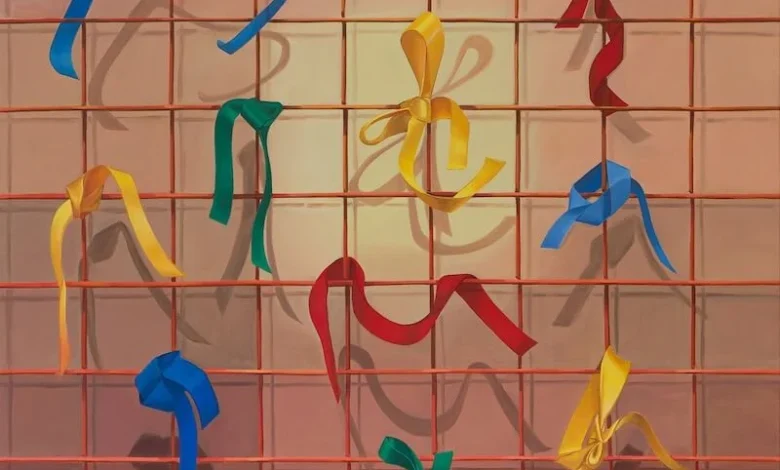
Copenhagen’s vibrant and interconnected experimental music community has once again yielded a striking cross-cultural collaboration with the release of Routine, a new full-length album by American-born composer Jason Dungan—widely recognized for his work under the moniker Blue Lake—and Danish musician Johan Carée. The record, officially launched through digital and physical distribution channels, serves as an exploration of ambient folk, minimalist composition, and contemporary new age soundscapes. Shaped through an iterative exchange of musical fragments across various studios and domestic spaces in the Danish capital, the album stands as a testament to the power of slow, deliberate artistic creation in an era dominated by rapid-fire content consumption.
The genesis of Routine lies in the shared aesthetic sensibilities of its two primary creators, both of whom have spent years operating on the fringes of traditional genre definitions. Dungan, whose work as Blue Lake has earned critical acclaim for its organic synthesis of Americana, folk idioms, and avant-garde composition, brings to the project a distinct tactile sensibility. Central to this sonic palette is Dungan’s custom-built, self-designed 36-string zither—an instrument that allows for microtonal explorations, rich harmonic overtones, and a blurring of the lines between percussion, melody, and drone. Carée, an established figure in the Copenhagen underground, contributes a complementary fluency in electronic texture, field recording integration, and structural arrangement. Together, the duo has constructed a nine-track journey that resists conventional song structures in favor of atmospheric depth and unhurried emotional resonance.
Background Context and Evolution of the Ambient Folk Movement
To understand the cultural positioning of Routine, one must examine the broader evolution of the ambient folk and modern compositional movements over the past decade. As digital production tools have become ubiquitous, a counter-movement has emerged among contemporary artists seeking a return to physical, acoustic instrumentation mediated by subtle electronic processing. This hybrid genre—often situated at the intersection of modern classical, ambient, and traditional folk music—prizes negative space, acoustic resonance, and the imperfections inherent in live performance.
Copenhagen has increasingly become a global epicenter for this specific strain of atmospheric composition. Benefiting from a robust infrastructure of public arts funding, cooperative label networks, and intimate performance venues, the city fosters an environment where artists can cross-pollinate ideas without immediate commercial pressures. Dungan’s relocation to the Danish capital several years ago exposed him to this collaborative ecosystem, facilitating a creative pivot that ultimately birthed the Blue Lake project. Carée, deeply embedded in the local scene, provided an ideal foil for Dungan’s acoustic explorations, grounding the zither’s ethereal qualities in steady, meditative rhythmic frameworks that mimic the cadence of daily routines.
Chronology of the Collaboration and Production Process
The creation of Routine was not a sudden studio sprint, but rather a prolonged, methodical dialogue that unfolded over the course of nearly two years. The timeline of the album’s development reflects the themes of domestic ritual and repetition that animate its musical core.
Initial brainstorming and fragment exchanges began in early 2022, as Dungan and Carée shared digital files containing acoustic improvisations, zither loops, and modular synth sketches. Rather than attempting to write complete tracks from the outset, the duo adopted a collage-like methodology, passing audio files back and forth between their respective home studios in Copenhagen. This asynchronous workflow allowed each composer to react organically to the other’s contributions without the pressure of a real-time recording session.
By the autumn of 2022, the core thematic framework of the album had crystallized around the concept of domesticity—specifically, the unnoticed rituals, chores, and quiet moments of reflection that structure everyday life. The title Routine was chosen to reflect both the mechanical repetition of daily habits and the comforting stability they provide.
During the spring of 2023, the project moved into a dedicated physical phase, with the duo gathering in a shared studio space in Nørrebro to track final acoustic performances, integrate analog tape saturation, and refine the sequencing of the record. Mastering was finalized in late 2023, ensuring that the dynamic range of Dungan’s 36-string zither and Carée’s subtle sub-bass frequencies were accurately balanced for both vinyl pressing and digital streaming platforms.
Musical Analysis and Instrumentation
Musically, Routine defies easy categorization, weaving together elements of American primitive guitar styles, Scandinavian folk traditions, and 1970s ambient minimalism reminiscent of figures like Harold Budd or Brian Eno. The primary vehicle for this sonic exploration is Dungan’s 36-string zither. Unlike a standard autoharp or traditional zither, Dungan’s custom instrument is configured to allow for sweeping harmonic intervals and sustained resonance, effectively functioning as both a rhythm section and a lead melodic voice.
Carée’s contribution acts as a stabilizing structural anchor. Utilizing a combination of analog synthesizers, tape delays, and subtle field recordings captured in and around Copenhagen, Carée constructs a warm, enveloping sonic fog that surrounds the acoustic elements. Tracks such as the album’s opening movement establish a deliberate, meditative pace, featuring interlocking zither patterns that mimic the cascading rhythm of water or the ticking of a clock. As the album progresses, the arrangements gently expand to incorporate muted electric guitars, bowed strings, and distant vocal hums, creating a texture that feels simultaneously ancient and thoroughly contemporary.
Statements and Artistic Intent
While the creators have avoided grand promotional manifestos, statements accompanying the release highlight a shared desire to counter the frantic pace of modern life through intentional listening. In promotional notes provided to cultural outlets, the duo framed Routine as an antidote to constant connectivity.
"We wanted to build a space within the sound where the listener could slow down," the composers noted through their representatives. "The album is about finding wonder in the mundane—the way light moves across a kitchen floor at a certain hour, the rhythm of making coffee, the quiet hours before the city wakes up. The music had to reflect that unhurried quality, which meant letting the acoustic instruments breathe and resisting the urge to over-produce."
Industry Reception and Critical Implications
Upon its release, Routine has drawn positive notices from critics specializing in ambient, experimental, and modern composition. Reviewers have praised the seamless integration of Dungan’s acoustic craftsmanship with Carée’s electronic acumen, noting that the album avoids the clinical detachment sometimes associated with minimalist ambient music. Instead, critics emphasize the record’s profound emotional warmth and tactile intimacy.
From a musicological perspective, Routine exemplifies a broader shift in contemporary independent music away from genre purity and toward fluid, cross-genre synthesis. By combining the vernacular of American folk music with the avant-garde sensibilities of European ambient traditions, Dungan and Carée demonstrate how geographic relocation and cultural exchange can rejuvenate an artist’s output. Furthermore, the album highlights the viability of independent, artist-driven distribution models in sustaining niche musical communities.
Broader Impact on the Copenhagen Experimental Scene
The success of Routine further solidifies Copenhagen’s reputation as a vital hub for boundary-pushing acoustic and electronic music. In an era where many European cultural capitals face rising real estate costs and shrinking spaces for grassroots art, the resilience of Copenhagen’s independent music infrastructure remains a critical factor in fostering such long-term, non-commercial collaborations.
Local musicologists and cultural analysts point out that records like Routine rely heavily on cross-pollination between expatriate artists and local musicians. Dungan’s integration into the Danish scene—and his subsequent collaboration with homegrown talents like Carée—serves as a case study in the fruitful exchange of perspectives. By bringing an outsider’s appreciation for traditional American folk idioms into dialogue with Scandinavian minimalism, the duo has crafted a work that belongs to no single geographical tradition, yet reflects the specific, quiet stillness of its creation.
Looking ahead, both artists plan to bring Routine to a select series of intimate live performances across Europe, utilizing quadraphonic sound setups to recreate the immersive, enveloping qualities of the studio recordings. As audiences increasingly seek out live experiences that prioritize deep listening and communal contemplation, Dungan and Carée’s collaborative effort stands well-positioned to resonate far beyond the boundaries of the ambient and folk underground.
Related posts: