Platten der Woche: A Curated Overview of October’s Defining Electronic Music Releases

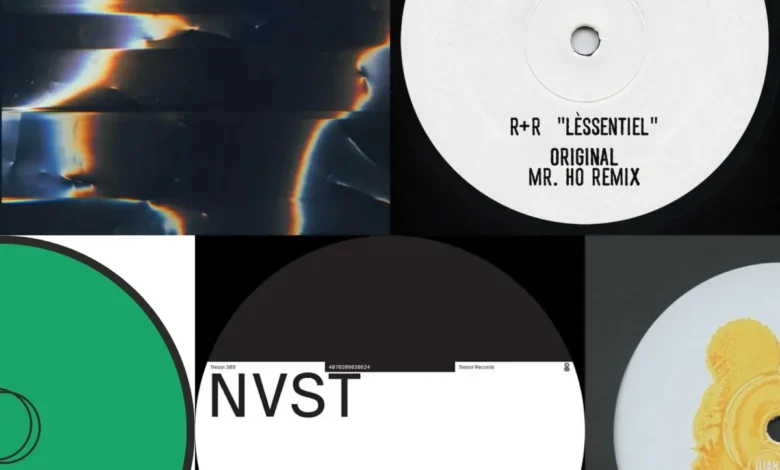
The global electronic music landscape continues to evolve through a synthesis of archival recovery and forward-thinking production, as evidenced by this month’s most significant record releases. From the unearthed master tapes of Detroit techno pioneers to the genre-bending experiments emerging from London’s vibrant underground, October’s selection of EPs highlights a period of intense creative output. This report examines five pivotal releases that define the current trajectory of dance music, offering a comprehensive look at the technical, historical, and cultural significance of these records.
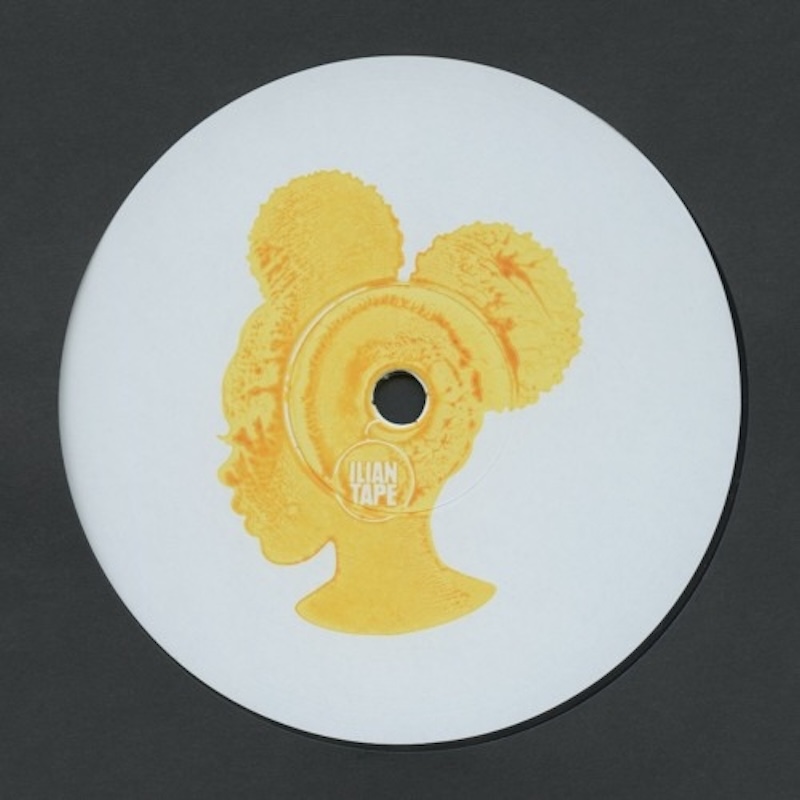
Mia Koden: Decode Vol. 2 (Ilian Tape)
Sudanese-British producer Mia Koden has firmly established herself as a vanguard of the contemporary London electronic scene with the release of Decode Vol. 2 on the influential Ilian Tape label. The EP serves as a masterclass in hybridization, seamlessly blending the polyrhythmic foundations of Drum’n’Bass with the aesthetic sensibilities of Afro-House and Reggae.

The production demonstrates a sophisticated approach to structural tension. In "A-killa Rift," Koden utilizes hip-hop-influenced percussive accents to redefine the boundaries of breakbeat music. Conversely, "Slink" presents a more complex narrative; it begins with downtempo, atmospheric textures before transitioning into a high-energy climax defined by intricate hi-hat work. The inclusion of recurring vocal motifs provides a thematic anchor, grounding the experimental sound design in a recognizable, human element. By the time the final track, "Dread by Dawn," concludes with its minimalist, trance-inducing arrangement, it becomes clear that Koden is not merely producing tracks, but crafting soundscapes designed for high-fidelity environments.
NVST: GODSPEED (Tresor)
The release of GODSPEED by Swiss producer NVST on the iconic Berlin label Tresor represents a significant moment for the imprint, bridging the gap between its foundational 1990s history and contemporary sound design. The five-track EP is characterized by a refusal to adhere to predictable rhythmic patterns, a trait that has become a hallmark of the label’s recent output.
Technically, GODSPEED is defined by the strategic use of "glitch" elements and acid-infused synthesis. The track "Firliner," a seven-minute digital-only addition, serves as the EP’s centerpiece. It is a dense, shifting composition that challenges the listener’s perception of time and space, utilizing brittle beat fragments to maintain a constant state of auditory suspense. NVST’s work on this EP is notable for its raw, unpolished energy, which avoids the pitfalls of digital over-processing, opting instead for a gritty, precision-engineered sound that honors the industrial roots of the Tresor institution.
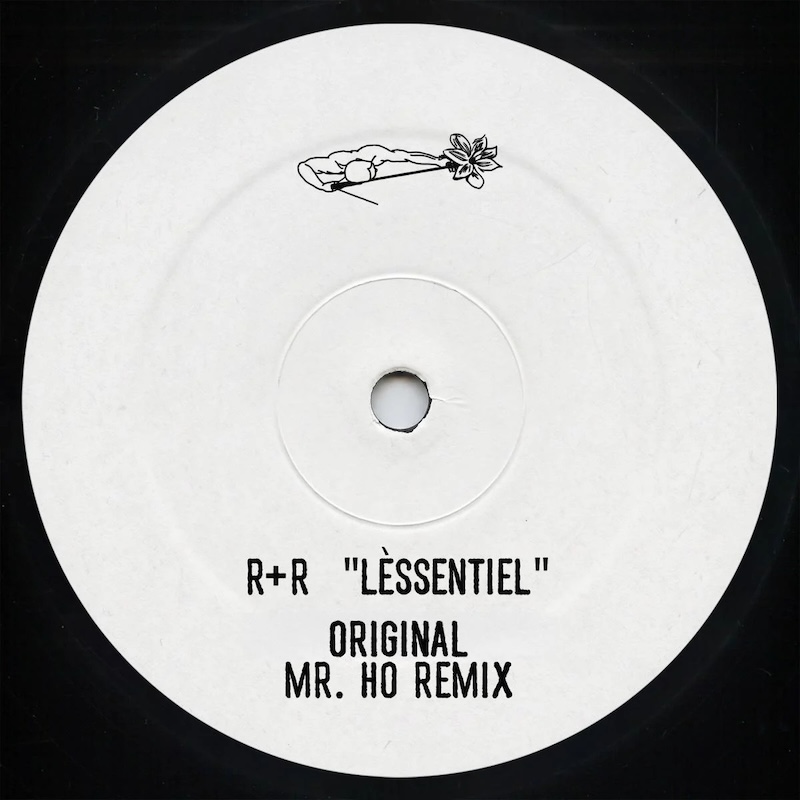
R+R: L’essentiel (Secret Weapons)
Archival releases often provide essential context for the evolution of modern dance music, and L’essentiel by R+R (Ricardo Villalobos and Roland Leesker) is no exception. Recorded in 1995, the project offers a rare glimpse into the formative years of two figures who would go on to shape the European house and techno scenes.
The historical significance of this release lies in its departure from the later, highly improvisational style for which Villalobos is known. Instead, L’essentiel is a masterclass in the disciplined, deep house aesthetic that defined the mid-1990s New York sound. By channeling the influence of producers like Kerri Chandler, the duo created a record that remains technically relevant today. The inclusion of a singular, hymnal vocal element provides a stark, naive beauty that contrasts with the mechanical rigidity of the drums, capturing the unfiltered optimism of the Frankfurt club scene during its golden era.
Jeff Mills: Gamma Rays (c. 1995) (Axis)
Perhaps the most significant historical recovery of the quarter, Jeff Mills’ Gamma Rays (c. 1995) provides a long-awaited look at the material that fueled his legendary Live at the Liquid Room mix. For thirty years, these four tracks—"i4," "i8," "i6," and "i2"—remained in the Axis archives, existing only as fragments of a career-defining period.

These compositions were developed in the same window as Mills’ seminal work for the unreleased Waveform Transmission 4 album. Analysis of these tracks reveals the aggressive, minimalist ethos that cemented Mills’ reputation as a central architect of Detroit techno. "i4" utilizes high-frequency, hissing filters to create a sense of impending pressure, while "i8" evokes the claustrophobic, tunnel-like acoustics characteristic of early warehouse techno. This release acts as a vital bridge between the raw, hardware-based output of the mid-90s and the sophisticated, symphonic approach Mills has adopted in recent decades.
Orbe: Gradient (Orbe Records)
Spanish producer Orbe’s Gradient represents the more cerebral, atmospheric side of current techno. Eschewing the commercial demands of peak-time, high-tempo dance music, the EP focuses on the creation of a "vernebelte" (foggy) sonic environment.
The structural development of the EP is rooted in a slow, iterative buildup. Orbe employs alien-like signal textures, synthesized cosmic radiation, and rhythmic sub-bass to simulate a narrative arc often associated with science fiction settings. The integration of organic textures, such as bongo-derived percussive elements, against a backdrop of mechanical, stoisch (stoic) machine grooves creates a compelling contrast. This release is indicative of a broader trend among European producers to prioritize spatial depth and atmospheric immersion over traditional, loop-based dance structures.
Broader Implications and Industry Impact
The simultaneous emergence of archival works (Mills, R+R) alongside experimental contemporary EPs (Koden, NVST, Orbe) points to a maturing electronic music industry. Labels are increasingly viewing their back catalogs as cultural assets, necessitating the release of historical material to satisfy a growing demographic of listeners interested in the lineage of the genre.
From an economic standpoint, these releases reinforce the value of physical media and high-quality digital archives. The critical reception of these EPs suggests that audiences are increasingly seeking "full-length" experiences rather than individual track consumption. As these artists continue to influence the global circuit, the emphasis on technical precision—whether through the restoration of 1995 magnetic tape or the fine-tuning of modern software synths—remains the primary metric of quality.
In conclusion, October’s releases are characterized by a profound respect for the past combined with a restless desire to innovate. Whether through the gritty, glitch-heavy landscapes of Berlin or the deep, hypnotic rhythms of London and Detroit, these records offer a comprehensive snapshot of a genre that refuses to remain static. As labels continue to bridge the gap between historical legacy and future-focused sound design, the electronic music community remains in a position of robust creative health, marked by technical complexity and an unwavering commitment to the integrity of the dance floor.