Harry Styles Says the Scariest Thing This Halloween Is New York City’s Coffee Prices

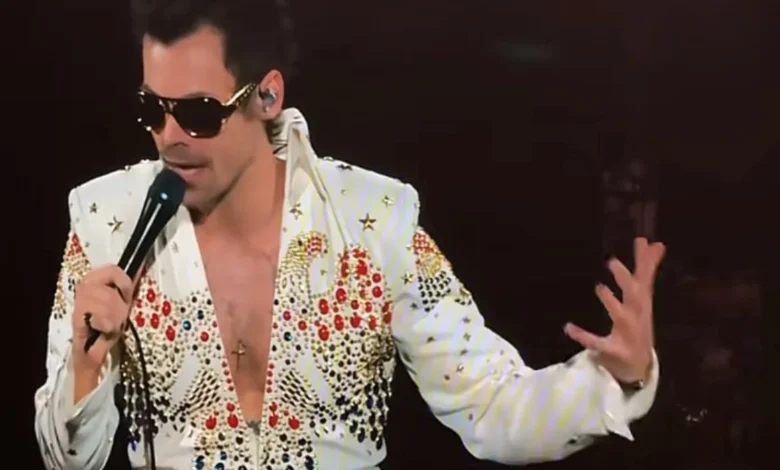
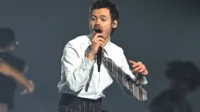
The intersection of high-profile entertainment and the mounting pressures of urban inflation became a central theme at Madison Square Garden this past Friday, as global pop phenomenon Harry Styles utilized his platform to address a grievance shared by millions of New Yorkers: the escalating cost of daily essentials. During the inaugural evening of his highly anticipated “Harryween” festivities on October 30, Styles, appearing in an elaborate Elvis Presley-inspired white jumpsuit adorned with rhinestones, paused his performance to address the crowd regarding the economic realities of life in Manhattan.
While the residency is intended as a celebration of music and fan connection, the singer’s candid remarks regarding the price of a standard cappuccino and the ubiquitous digital tipping prompts at point-of-sale terminals resonated with an audience acutely aware of the city’s rising cost of living. This incident highlights a broader cultural conversation regarding the “tip-flation” phenomenon and the premium costs associated with service-sector goods in major metropolitan hubs.
The Context of the Harryween Residency
The “Harryween” shows serve as the penultimate highlights of Styles’ extensive 30-show “Together, Together” residency at Madison Square Garden. This residency, which has been a significant cultural touchstone in New York City throughout the fall of 2026, has consistently drawn sold-out crowds and critical acclaim. The venue, known for its capacity to host iconic moments in music history, provided the backdrop for what has become a tradition for the artist—theatrical, holiday-themed performances that often pay homage to musical legends.
On Friday night, Styles’ decision to dress as Elvis Presley—complete with the iconic cape and golden rhinestones—was a deliberate nod to the history of the venue and the legacy of rock and roll. However, the performance was interrupted by a moment of spontaneous commentary that shifted the tone from high-octane spectacle to a relatable discussion of mundane economic frustration. By addressing the $10 price point for a single coffee, Styles tapped into a sentiment that has become increasingly prevalent among consumers struggling to reconcile luxury pricing with standard daily routines.
A Chronology of the Economic Rant
The commentary began mid-set, as Styles addressed the audience during a transition between songs. He explicitly labeled the cost of caffeinated beverages in New York City as the “scariest thing” currently facing residents, contrasting the festive atmosphere of Halloween with the grim reality of inflationary pressure.
“The scariest thing about this Halloween is the price of caffeinated beverages in this city,” Styles remarked to the audience. He elaborated on his frustration, noting that the combination of high base prices and the pressure to provide a 20 to 24 percent tip at digital checkout screens has created an environment he finds “out of control.”
This was not merely a fleeting remark; it served as a brief critique of the modern service economy. By focusing on the “spinning screen” at checkout counters, Styles identified a specific point of contention for many consumers: the psychological and financial pressure exerted by automated tipping systems that often suggest percentages that significantly inflate the final transaction cost. The singer’s assertion that “they have to be stopped” drew laughter and cheers from the crowd, suggesting that his frustration mirrored the collective experience of his fans.
Supporting Data: The Rising Cost of the Daily Brew
The grievances aired by Styles are supported by current economic data regarding the hospitality and coffee industry in New York City. Over the past two years, inflationary pressures, coupled with rising labor and supply chain costs, have led to a noticeable surge in the price of premium coffee beverages.
According to data from the Bureau of Labor Statistics and independent retail industry reports, the average price of a specialty coffee drink in major U.S. cities has increased by approximately 15 to 20 percent since 2024. In high-rent districts such as Midtown Manhattan, where Madison Square Garden is located, a specialty cappuccino often reaches the $8 to $10 threshold cited by Styles.
Furthermore, the rise of digital point-of-sale systems, such as Square and Toast, has standardized the practice of suggesting tiered tipping percentages—typically ranging from 18 to 25 percent—even for transactions that do not involve traditional full-service dining. This shift has led to what economists term “tip fatigue,” where consumers feel compelled to tip for services that previously did not require gratuity, further exacerbating the perception that the cost of living is rising faster than disposable income.
Official Reactions and Public Sentiment
While no formal response has been issued by the major coffee chains or retail industry associations regarding the singer’s comments, the public reaction on social media has been largely supportive. Industry analysts note that celebrities calling out these price points can accelerate public discourse on the sustainability of current pricing models.
Some hospitality experts argue that the high cost of coffee in Manhattan is a direct reflection of the city’s exorbitant commercial real estate rents and the high cost of labor. For many small business owners, maintaining a viable margin requires these higher price points, and the tipping structure serves as a necessary mechanism to supplement staff wages in an expensive city. However, the juxtaposition of a celebrity highlighting these costs during a sold-out arena show underscores the disconnect between luxury-priced entertainment and the everyday financial realities of the workforce.
Broader Impact and Implications
The "Harryween" moment serves as a microcosm of the current economic climate in the United States. As inflation fluctuates and consumers remain cautious about discretionary spending, the visibility of these costs becomes a matter of public discourse. Styles’ comments, while framed within the context of a lighthearted Halloween show, touch upon the sensitive issue of wage stagnation versus the rising cost of goods.
From an industry perspective, the "tip-flation" debate is expected to continue. As more businesses adopt digital payment technologies, the social contract regarding gratuity is being rewritten. Analysts suggest that if public sentiment continues to lean toward the frustration voiced by Styles, retailers may need to re-evaluate their pricing strategies to avoid alienating their core customer base.
The Artistic Context: Looking Back and Moving Forward
Beyond the economic commentary, the residency showcased the breadth of Styles’ career. During the same performance, he took a moment to reflect on his origins, recreating his 2010 X Factor audition outfit. He performed Stevie Wonder’s “Isn’t She Lovely,” the very song that launched his trajectory to global stardom at age 16. This contrast—the young performer of 2010 versus the global icon of 2026—highlights the evolution of his career, which now allows him to command a residency at one of the world’s most prestigious venues.
The residency concluded on October 31 with a final performance, bringing the “Together, Together” chapter to a close. As Styles moves into the next phase of his career, the "Harryween" shows will likely be remembered not only for the elaborate costumes and musical performances but also for the artist’s willingness to engage in a grounded, relatable dialogue with his audience about the challenges of contemporary urban life.
In conclusion, the discourse surrounding the cost of coffee at Madison Square Garden highlights a growing tension in the American consumer experience. By utilizing his platform to address the granular costs of daily life, Harry Styles has underscored that even those at the pinnacle of the entertainment industry are not immune to the economic shifts affecting the broader public. Whether this moment leads to a change in consumer behavior or remains a poignant anecdote from a concert season, it has successfully captured the spirit of a city grappling with the complexities of modern inflation.
Related posts: