Unclaimed Streaming Millions: How a New Royalty Platform Exposes the Music Industry’s Deepest Accounting Flaws

The modern independent music landscape is built on a paradox. It has never been easier to record a song, upload it via a digital distributor, and make it available to millions of listeners across global streaming platforms. Yet, despite unprecedented accessibility and democratization of production tools, the underlying financial infrastructure of the music business remains remarkably convoluted, fragmented, and prone to leakage. Even artists and artist managers who maintain rigorous registration practices frequently discover that a portion of their rightful earnings has vanished into administrative blind spots.
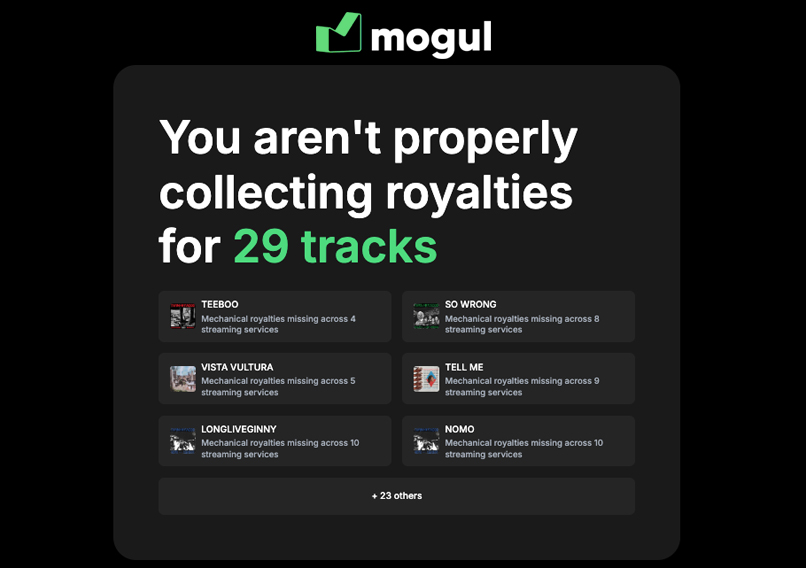
Recent revelations within independent artist management circles have reignited a long-standing debate regarding royalty collection efficiency. An audit of a modest artist catalog boasting just a few million total streams uncovered an astonishing $759 in missing royalties. This discrepancy occurred despite the catalog having been registered meticulously across all major collection societies and distribution networks, including the Mechanical Licensing Collective (MLC), SoundExchange, ASCAP, BMI, and prominent digital distribution services.
This discovery highlights a systemic vulnerability that plagues the global music economy. For decades, creators have contended with a labyrinth of performance rights organizations, collective management organizations, neighboring rights societies, and digital service providers, each operating on separate data silos. The resulting friction means that countless creators leave substantial revenue on the table simply because the myriad components of the industry fail to communicate seamlessly.
The Anatomy of Royalty Leakage
To understand why unclaimed royalties remain an endemic issue, one must examine the journey a dollar makes from a consumer’s subscription fee to an artist’s bank account. When a track is streamed, data is generated regarding its master recording and its underlying composition. The master side typically flows from the digital service provider through a distributor to the label or primary artist. Simultaneously, the composition side requires separate registration with performing rights organizations for public performance royalties, and mechanical rights organizations for reproduction royalties.
Errors often occur during metadata matching. A misspelled songwriter’s name, a mismatched International Standard Recording Code (ISRC), an unregistered International Standard Musical Work Code (ISWC), or a delayed publishing administration link can cause revenue to be placed into a suspense account. These suspense accounts accumulate millions of dollars annually—funds that frequently end up distributed to major stakeholders via market-share algorithms rather than reaching the rightful creators.
Compounding this administrative burden is the exponential growth of digital noise. The influx of artificial intelligence-generated tracks, unverified uploads, and heavily saturated streaming queues places an immense strain on the compliance and customer support teams of traditional distribution and publishing entities. Navigating this environment requires specialized knowledge that many independent creators simply do not possess, forcing them to rely on fragmented toolsets or expensive business managers.
Enter Mogul: A Technological Intervention to Streamline Recovery
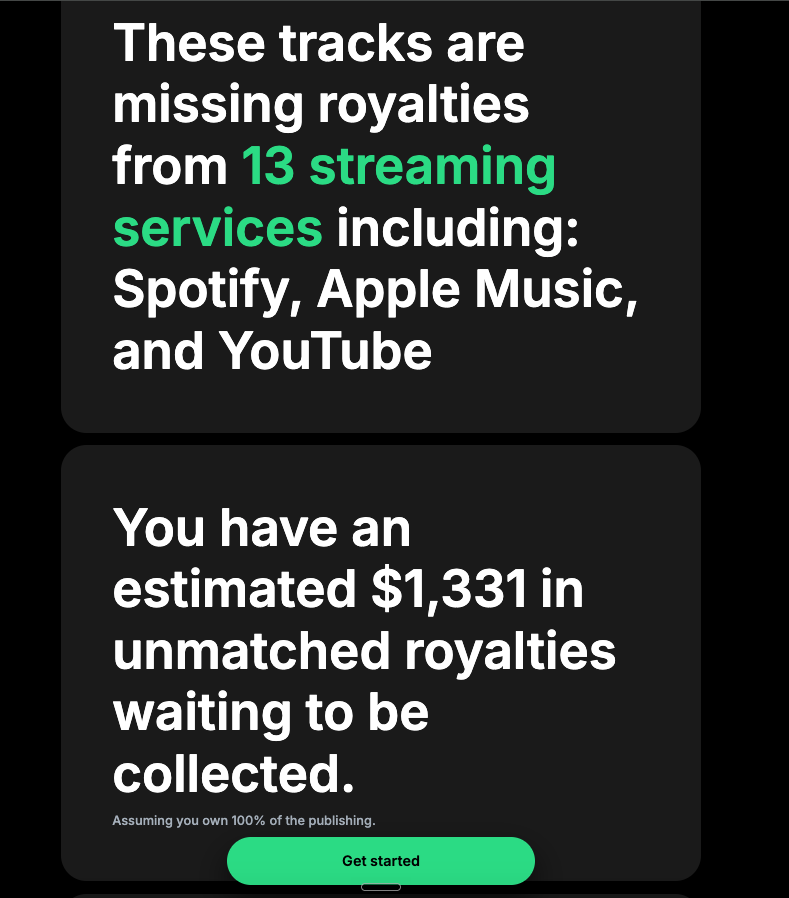
In response to these persistent structural failures, a new class of royalty collection and auditing platforms has emerged to bridge the gaps in the traditional framework. Among them, Mogul—founded by industry veteran Jeff Ponchick, who previously established Repost Network prior to its acquisition by SoundCloud—has garnered significant attention from independent artists, publishers, and artist managers seeking a comprehensive solution.
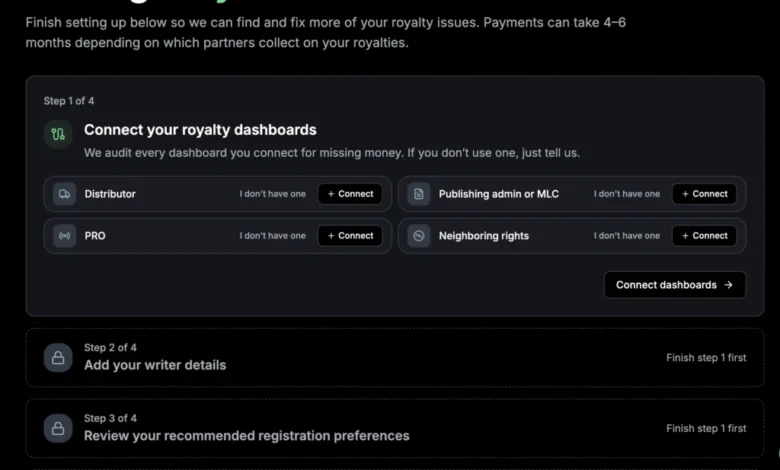
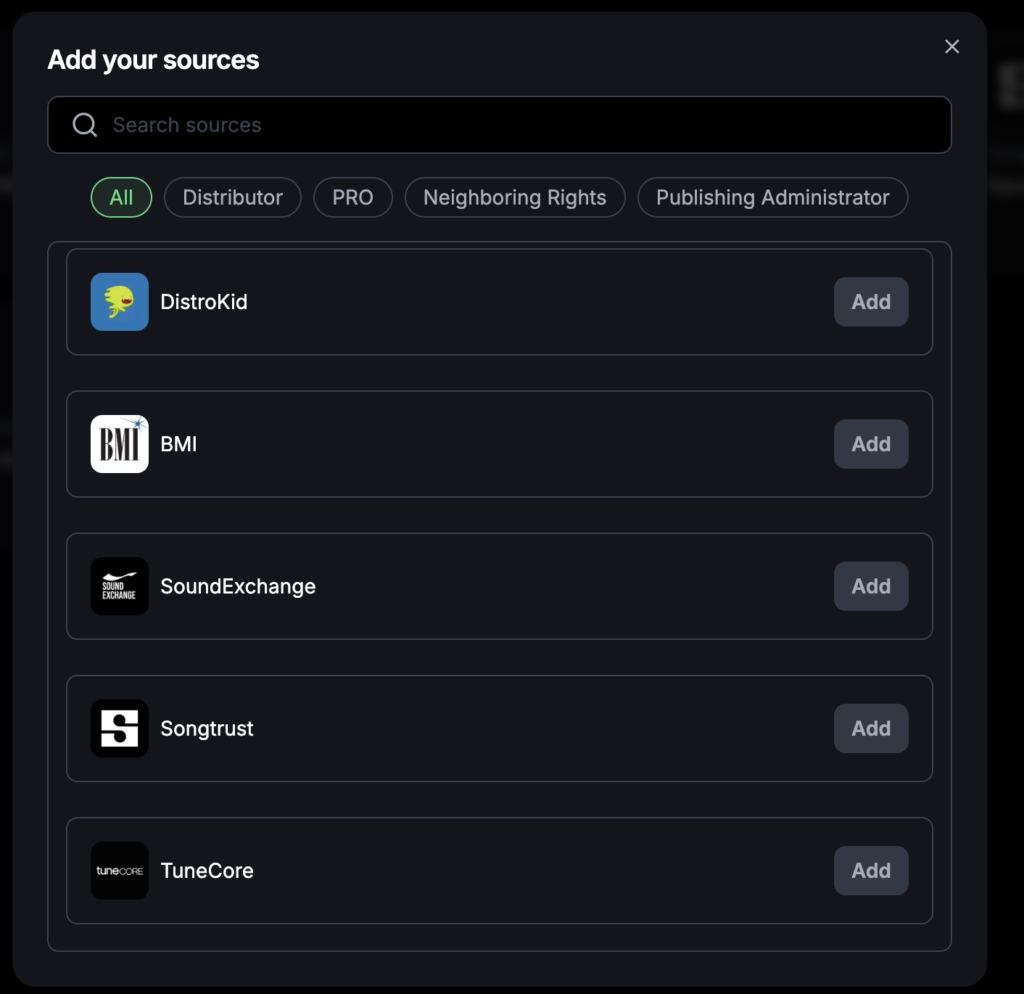
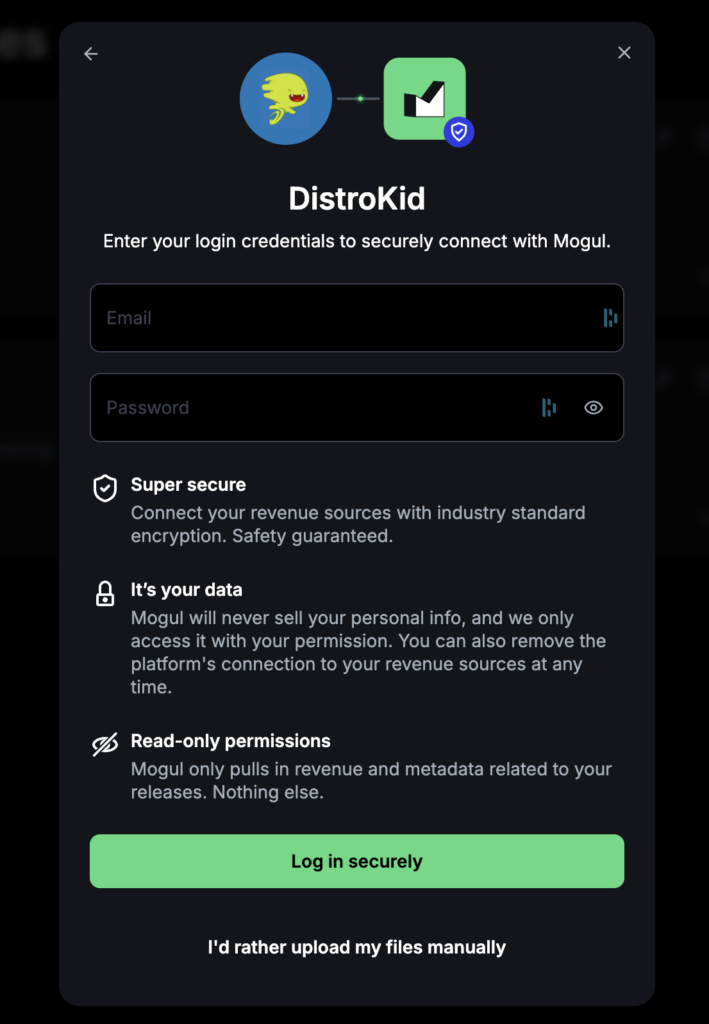
Mogul operates by functioning as an aggregator of financial transparency. Users connect their existing royalty sources, including digital distributors and performance rights organizations, allowing the platform’s auditing software to cross-reference data and identify discrepancies. By scanning catalog registrations against global databases, the platform highlights uncollected funds and provides direct integration pathways to resolve administrative oversights.
Rather than forcing creators to navigate a decentralized web of customer service portals across different organizations, Mogul utilizes direct API integrations with a broad array of labels, distributors, PROs, CMOs, and neighboring rights administrators. Through centralized data synchronization, users can identify missing links and execute corrective registrations through a unified interface. For creators operating without a dedicated publishing administrator, services such as Mogul Pub Admin offer global publishing collection across major domestic and international territories through networks like Mint Digital Services, operating on a commission-free or low-fee structure designed to challenge traditional publishing administration models.

Industry Analysis and Strategic Implications
The introduction of unified royalty auditing and collection platforms carries significant implications for the independent music sector. For years, comprehensive catalog audits and royalty recovery services were luxuries reserved for legacy artists with multi-million-dollar estates or major-label backing, typically managed by business management firms charging substantial monthly retainers or percentage-based fees.
By democratizing access to catalog scans and automated recovery pathways, platforms like Mogul shift the balance of administrative power toward independent creators. However, industry analysts note that the broader ecosystem must continue to adapt. While automated recovery tools successfully mitigate mechanical and performance royalty discrepancies, the underlying fragmentation of global copyright databases remains a formidable hurdle.

Furthermore, the integration of distribution services within collection platforms presents both opportunities and challenges. While offering zero-commission distribution to select digital service providers lowers barriers to entry, industry veterans caution that sustainable infrastructure requires robust protection against automated spam, fraudulent streaming practices, and metadata pollution. The long-term viability of free or low-cost distribution models will depend heavily on advanced filtering technologies and stringent compliance protocols.
Valuation, Concierge Services, and Future Outlook
As the independent sector matures, the financial management of music catalogs increasingly mirrors traditional corporate asset management. Creators who achieve commercial traction face complex decisions regarding catalog monetization, buyout offers, and advance negotiations with independent and major labels.
To address these advanced needs, high-tier administrative platforms have expanded their service offerings to include formal catalog valuation and concierge recovery services. These specialized tiers function as virtual business management departments, providing detailed financial analytics, income tracking, and strategic deal analysis for catalogs generating substantial annual returns. By offering these services at a fraction of traditional management costs, tech-forward platforms are altering the financial economics of independent music enterprises.
Despite these advancements, structural challenges persist for artist managers handling diverse rosters. While individual artist accounts provide robust data for single entities, the industry still lacks a streamlined, multi-client management dashboard optimized for agencies overseeing dozens of emerging and mid-tier acts simultaneously. Addressing this gap will be crucial for widespread adoption among professional management firms.
Ultimately, the proliferation of advanced auditing and collection technology signals a necessary evolution in the music business. As transparency becomes an expectation rather than a luxury, independent creators are better equipped to reclaim revenue that was previously lost to the systemic inefficiencies of the global copyright regime. Whether through automated software solutions or concerted regulatory reform, the ongoing campaign to secure rightful compensation remains central to the sustainability of the independent artist community.
Related posts: