Britten Pears Arts Reverses Application Fee Policy for Young Artist Programme Following Public Scrutiny

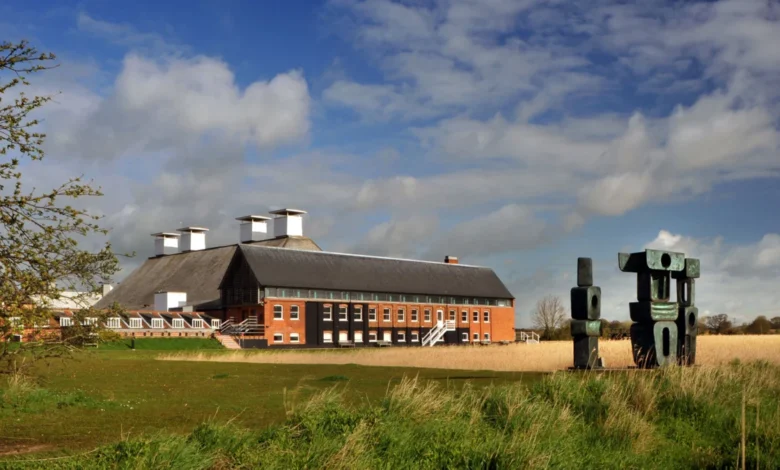
The landscape of professional development for emerging classical musicians has shifted significantly this week following a policy reversal by Britten Pears Arts regarding the application process for its highly regarded summer school at Aldeburgh, Suffolk. The organization, which oversees the Britten Pears Young Artist Programme, announced it would rescind a recently introduced application fee of £30 plus VAT, a move that followed a swell of negative feedback from the musical community and a formal inquiry initiated by VAN Magazine. The decision highlights the intensifying tension between arts institutions struggling with rising operational costs and a growing movement within the music industry to minimize financial barriers for early-career performers.
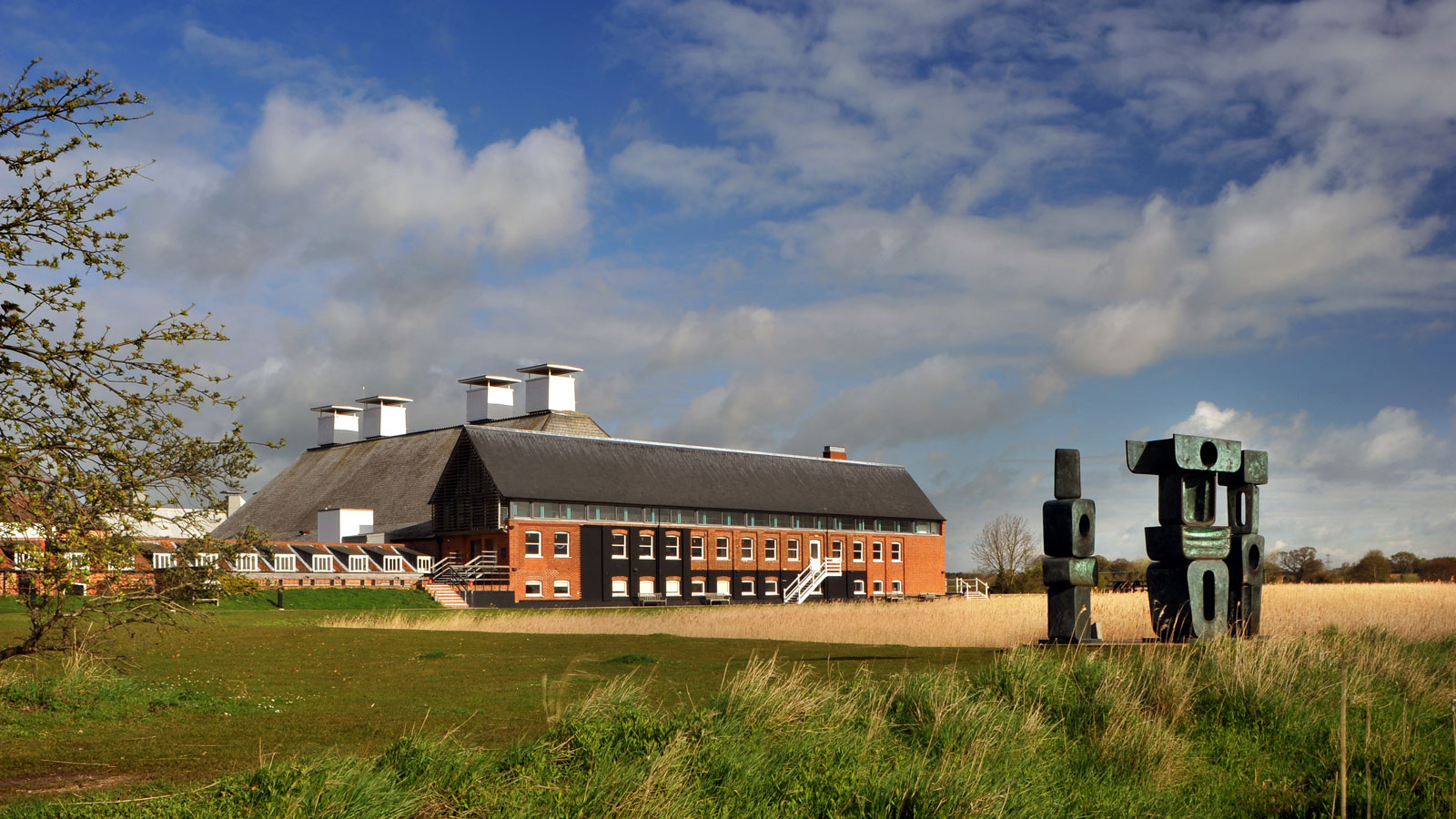
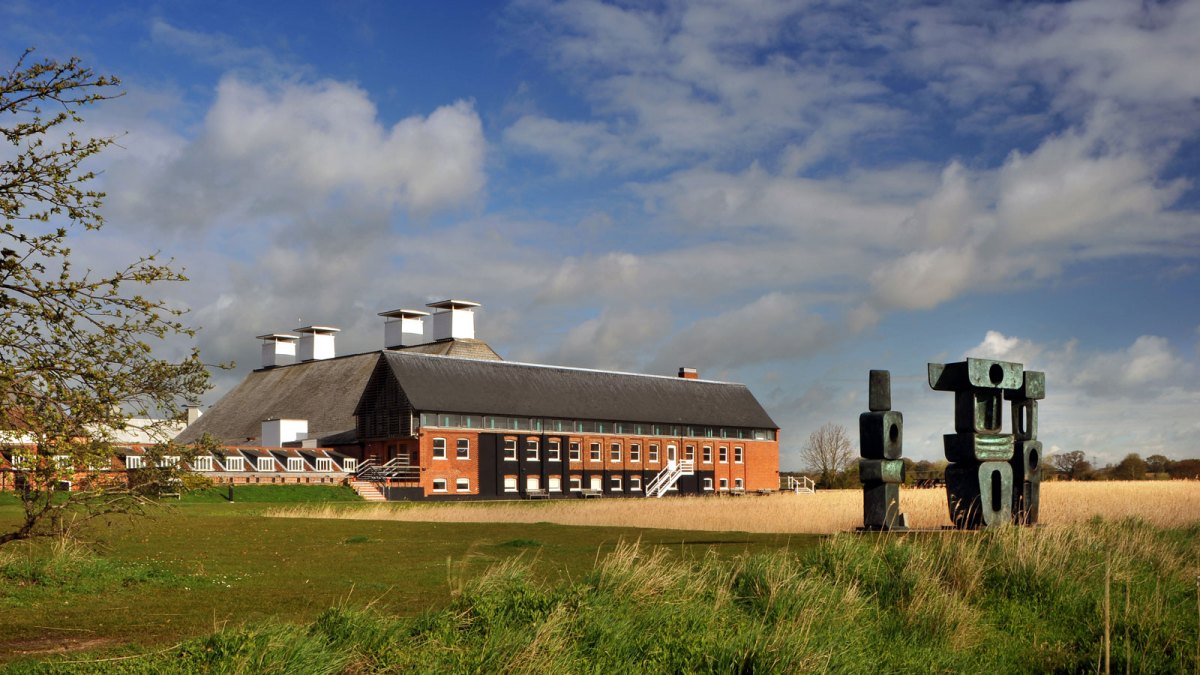
The Britten Pears Young Artist Programme has long been considered a pinnacle for emerging talent, offering participants access to masterclasses, ensemble coaching, and performance opportunities in the historic environment of Snape Maltings. Historically, such programs have functioned as a gateway for professional development; however, the reintroduction of a fee for the current cycle prompted an immediate response from prospective applicants who argued that such charges create an "exclusionary filter" for musicians already grappling with the high costs of travel, instrument maintenance, and conservatory tuition.
The Timeline of the Controversy
The controversy began in mid-November 2026, shortly after applications for the summer session were opened. Prospective candidates noted the inclusion of the £30 surcharge—a fee that, while seemingly modest to some, represented a significant cumulative cost for students applying to multiple summer festivals and masterclass programs across Europe and North America.
Within days of the application window opening, discourse began to circulate on professional forums and social media platforms. Critics argued that the application fee did not correlate with a transparent increase in services provided to the applicant, but rather functioned as a revenue-generating mechanism to offset the administrative costs of processing thousands of submissions. On November 19, 2026, inquiries were directed toward Britten Pears Arts regarding the justification for the fee, particularly in the context of broader industry standards regarding accessibility. Shortly after these inquiries, the organization confirmed it would abandon the fee structure for the remainder of the application period.
Financial Pressures and the Economics of Arts Education
To understand the decision, it is necessary to examine the broader economic environment in which organizations like Britten Pears Arts operate. Arts funding in the United Kingdom has faced a period of extreme volatility, characterized by reductions in government grants and a heightened reliance on private philanthropy and self-generated revenue.
According to reports from the Association of British Orchestras and various arts advocacy groups, the cost of running elite-level residencies has surged by an estimated 15 to 20 percent over the past three years due to inflationary pressures on venue maintenance, utility costs, and the professional fees required to secure world-class faculty. For a nonprofit organization like Britten Pears Arts, the temptation to introduce "cost-recovery" measures—such as application fees—is often a response to the need to balance budgets while maintaining the prestige of their offerings.
However, data from recent music industry surveys suggests that "pay-to-apply" models disproportionately affect students from lower-socioeconomic backgrounds. A study conducted by the Institute for Fiscal Studies on arts education suggests that for every 10 percent increase in barriers to entry for professional development programs, there is a measurable decline in the diversity of the applicant pool. By removing the £30 fee, Britten Pears Arts has signaled an alignment with the industry-wide push toward equitable access, recognizing that the long-term health of the classical music ecosystem depends on attracting talent based on merit rather than financial capacity.

Institutional Responses and the Role of Accountability
While Britten Pears Arts has not released a comprehensive manifesto regarding the reversal, the swiftness of the change—occurring almost immediately after public feedback and journalistic inquiry—suggests a high degree of sensitivity to its reputation. In the modern era of institutional transparency, the "social license to operate" is as important as fiscal solvency.
When organizations fail to justify fees that are perceived as predatory or exclusionary, they risk alienating the very demographic they aim to serve. The role of specialized media, such as VAN Magazine, in bringing these concerns to the forefront has proven essential. By providing a platform for the concerns of the artistic community, such publications act as an informal oversight mechanism, ensuring that institutions are held to the standards of accessibility they often promote in their mission statements.
Broader Implications for the Classical Music Sector
The implications of this incident extend far beyond the village of Aldeburgh. The classical music industry is currently undergoing a period of introspection regarding its accessibility. From the cost of concert tickets to the prohibitive nature of high-level music competitions and residencies, the field is being forced to reconsider how it engages with the next generation of performers.
Other institutions that currently employ application fees for fellowships and residencies will likely face increased pressure to justify their pricing models. If a prestigious institution like the one at Snape Maltings can operate without an application fee, the argument that such costs are "essential" becomes increasingly difficult to maintain. This development may lead to a broader standardization where professional development programs move toward either free application models or, at the very least, robust fee-waiver programs that are easily accessible to students from disadvantaged backgrounds.
Furthermore, the incident underscores the power of digital communication in the arts. In previous decades, dissatisfaction among applicants might have remained localized and silenced by the fear of being seen as "unprofessional" or "difficult." Today, collective action—even if only in the form of online discussion—can force a major institution to pivot within hours. This shift in power dynamics is a significant development for the future of arts administration.
The Path Forward for Britten Pears Arts
As the application window remains open, the focus for Britten Pears Arts will now shift toward managing the influx of applicants who may have been previously discouraged by the fee. The organization remains a central pillar of the British musical scene, and its commitment to the legacy of Benjamin Britten and Peter Pears necessitates a continued focus on inclusivity.
The decision to waive the fee is a pragmatic one. It preserves the integrity of the selection process and prevents the brand from being associated with financial gatekeeping. Moving forward, observers of the sector will be watching to see how the organization manages its budget for the upcoming summer season. Will they find alternative revenue streams, or will they have to reduce the scale of the program? These questions will likely define the next chapter of the organization’s history.
Ultimately, the reversal serves as a case study in the necessity of open dialogue between institutions and the artists they represent. It demonstrates that the classical music world is not a static monolith, but a dynamic field capable of change when faced with evidence that its policies are out of step with its stated values. For the young artists who were previously hesitant to apply, the removal of this barrier is a welcome development, ensuring that the selection process for the next cohort at Snape Maltings remains open to the widest possible range of talent, regardless of their financial status. As the industry continues to navigate the complexities of the 21st century, this episode serves as a reminder that accessibility is not a luxury, but a fundamental requirement for the sustainability and vitality of the arts.