Barbara Mandrell to Receive Kennedy Center Honors as Country Music Reflects on Its Living Matriarchs

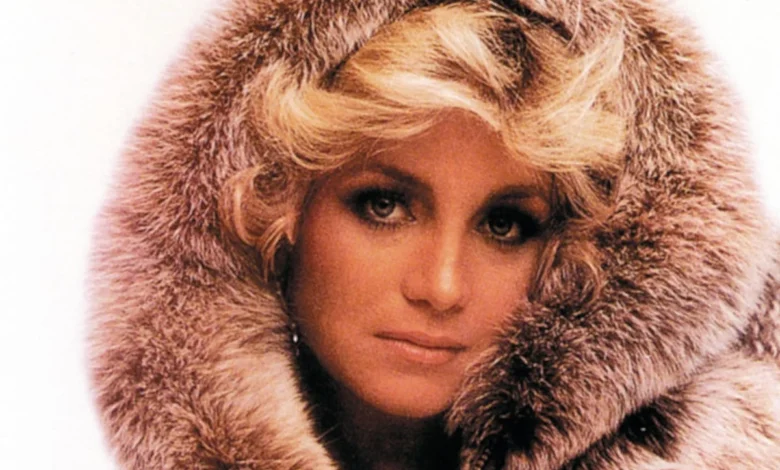
The landscape of country music finds itself navigating a profound generational transition. Following the passing of monumental figures such as Loretta Lynn in 2022 and the more recent loss of the peerless Dolly Parton, the genre has been forced to contemplate its heritage and the scarcity of its foundational matriarchs. While a modern commercial resurgence led by artists like Ella Langley brings vibrant energy to the contemporary charts, the historical architecture of the genre rests squarely on the shoulders of enduring legends like Reba McEntire, Shania Twain, Trisha Yearwood, and Alison Krauss. Yet, in critical retrospectives examining the scope of female influence in country music, one vital pioneer is frequently omitted: Barbara Mandrell.
That historical oversight is set to be powerfully addressed on December 8, 2026, when Mandrell is formally inducted as a recipient of the prestigious Kennedy Center Honors. Sharing the distinction with luminaries such as Paul Anka, David Foster, Andy Garcia, and David Mamet, Mandrell will receive one of the highest cultural accolades in the United States. This recognition arrives at a timely juncture, underscoring the enduring legacy of an artist who not only shaped the sound of mainstream country music across decades but also mastered its instrumentation long before she ever stepped in front of a television camera.
A Prodigious Rise: From Steel Guitar Child Star to National Touring Act
Born on Christmas Day in 1948 in Houston, Texas, and raised largely in Corpus Christi and Oceanside, California, Mandrell was immersed in music from an early age. Her mother served as a music teacher, and her father was a police officer with a keen ear for talent. Long before she reached her teens, Mandrell demonstrated an extraordinary aptitude for musicianship. She mastered the accordion before entering the first grade and quickly learned to read musical notation simultaneously with the written word.
Her introduction to the steel guitar—courtesy of a friend of her father—charted the course of her professional life. Possessing a prodigious talent on the complex instrument, an 11-year-old Mandrell was taken by her father to a Chicago music trade show. There, she caught the attention of country guitar virtuoso Joe Maphis, who immediately recognized her exceptional capability.
In 1960, Maphis debuted Mandrell in his Las Vegas stage show and subsequently introduced her to Southern California audiences via the popular television program Town Hall Party. Operating primarily in the West Coast entertainment circuit allowed Mandrell to pursue her education while spending summers performing in Las Vegas. By the age of 13, her reputation as a steel guitar prodigy had expanded across the industry, earning her positions on national tours with foundational country acts including Johnny Cash, Red Foley, Tex Ritter, Little Jimmy Dickens, and Patsy Cline, the latter of whom frequently shared hotel rooms with the minor performer to look after her welfare.
The Family Band, Marriage, and the Path to the Grand Ole Opry
As her career continued to scale, Mandrell performed alongside her parents and two sisters in the Mandrell Family Band. This enterprise kept the young musician constantly on the move, entertaining troops on international military bases, including deployments to Vietnam. During this period, she expanded her instrumental repertoire to include the banjo and the double-neck guitar, mirroring the style of her mentor, Joe Maphis.
It was within the confines of the family band that she encountered Ken Dudney, a drummer who would soon become her husband. Following her high school graduation in 1967, the couple married, and Mandrell initially sought to step away from the grueling entertainment schedule to pursue domestic life and start a family.
However, a pivotal visit to Nashville in the late 1960s altered her trajectory. While touring the city, she attended a performance at the Grand Ole Opry and realized she could not remain merely a spectator in the genre she helped interpret. Fueled by a renewed ambition, Mandrell returned to the industry with full force. She began performing regularly in Nashville’s Printer’s Alley, showcasing both her virtuosic steel guitar playing and her commanding vocal delivery. Her electrifying performances sparked a bidding war among six major record labels, ultimately resulting in a recording contract with Columbia Records and legendary producer Billy Sherrill.
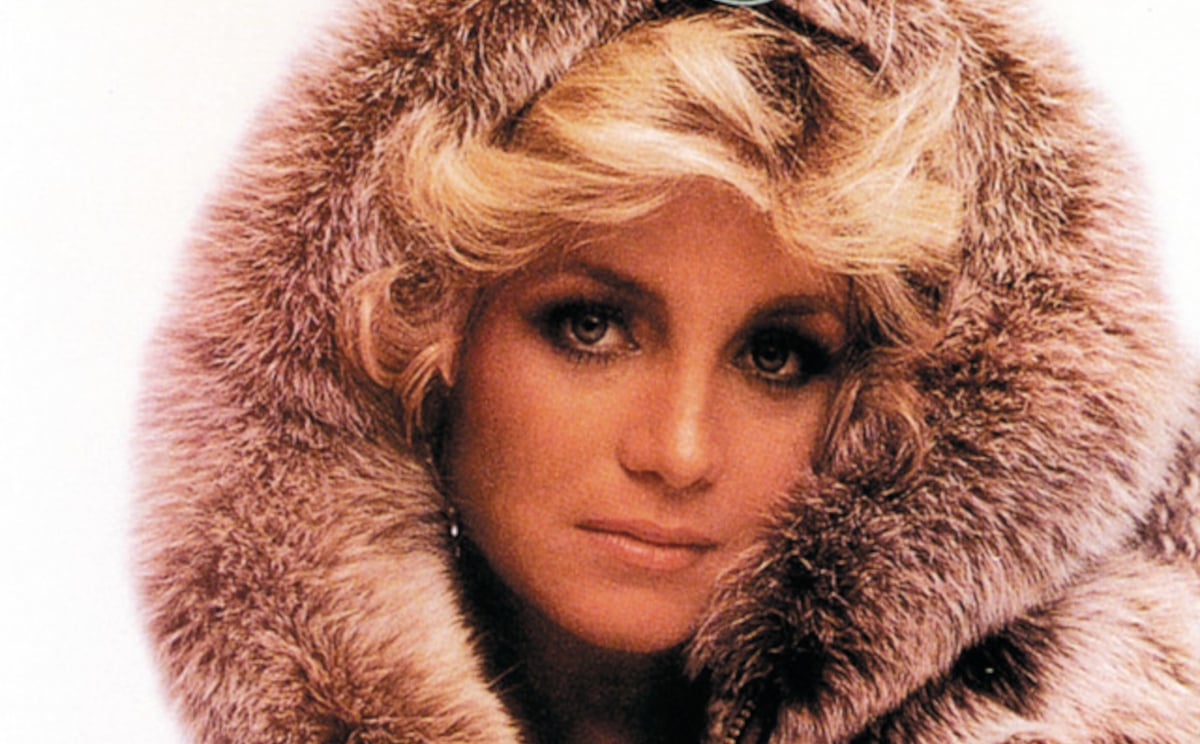
Chart Success, Television Stardom, and Genre Blending
Under Sherrill’s guidance, Mandrell’s career took a distinct stylistic turn. Recognizing the rich, soulful timbre of her voice, Sherrill paired her with material rooted more heavily in rhythm and blues than traditional country twang. Her debut charting single, Otis Redding’s “I’ve Been Loving You Too Long (To Stop Now),” and subsequent hits like Aretha Franklin’s “Do Right Woman, Do Right Man,” positioned Mandrell uniquely within the R&B-country crossover lane.
While some purists initially resisted this blending of genres, Mandrell’s commercial viability proved undeniable. Over the course of her career, she amassed six number-one singles and twenty-two Top 10 hits. Among them is her definitive signature anthem, “I Was Country When Country Wasn’t Cool,” featuring George Jones, a track that continues to serve as a cultural touchstone for authenticity in the genre.
Concurrently, Mandrell expanded her footprint into mainstream American living rooms. In 1980, she launched Barbara Mandrell and the Mandrell Sisters, a successful television variety show on NBC that blended musical performances with comedy and featured her siblings, Louise and Irlene. The program cemented her status as a premier multimedia entertainer, drawing millions of viewers weekly and broadening country music’s demographic reach.
A Graceful Retirement and Lasting Institutional Legacy
Despite her massive commercial footprint during the late 1970s and 1980s, the emergence of the neotraditionalist movement—often spearheaded by the "Class of ’89" artists like Garth Brooks and Alan Jackson—shifted industry priorities. Rather than engage in a protracted battle with a changing commercial landscape, Mandrell chose a measured path.
This decision was further compounded by personal milestones and severe health challenges. Having previously considered retirement following her 1967 marriage and again while recovering from a near-fatal automobile accident in 1984, Mandrell formalized her departure from active recording and touring in 1997 with a poignant final performance at the Grand Ole Opry House. Unlike many performers who execute repeated comeback tours, Mandrell adhered strictly to her retirement, preserving the integrity of her exit.
Her institutional contributions have nevertheless been firmly cemented by her peers. In 2009, she achieved the rare distinction of a dual induction into both the Country Music Hall of Fame and the Steel Guitar Hall of Fame, acknowledging her foundational standing not only as a vocal interpreter and television personality, but as one of the most proficient multi-instrumentalists in American music history. Furthermore, she maintains her active membership in the Grand Ole Opry, occasionally appearing for select industry milestones.
Broader Implications and Cultural Impact
As the cultural apparatus prepares to celebrate her career at the Kennedy Center on December 8, 2026, industry analysts view the honor as a vital corrective in country music history. By formally acknowledging Mandrell’s multifaceted contributions—spanning instrumental virtuosity, television innovation, and vocal excellence—the award highlights the historical versatility required of female artists navigating a male-dominated commercial space.
As contemporary artists from Miranda Lambert to Sturgill Simpson continue to experiment with genre-blending and stylistic fluidity, Barbara Mandrell’s catalog stands as a testament to pioneering versatility. The upcoming honor ensures that while the legendary entertainer remains quietly retired from the active spotlight, her towering influence on American music remains permanently enshrined.