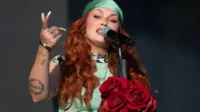
Demi Lovato Brought Out Brazilian Drag Queen Pabllo Vittar for Cool for the Summer at Rock in Rio: Watch

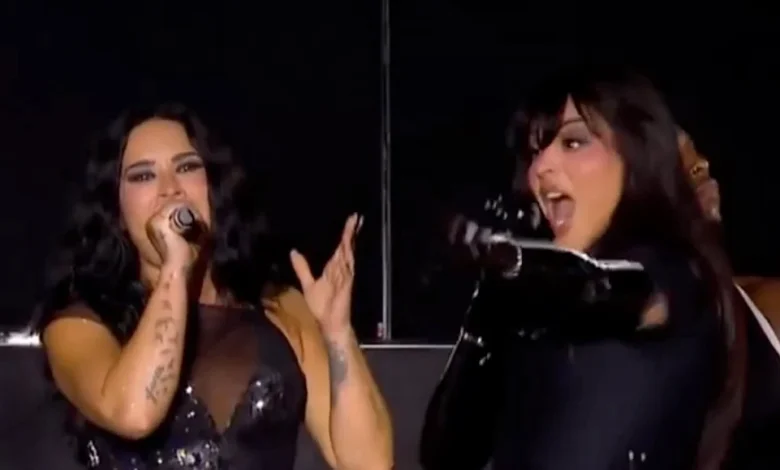
The Palco Mundo at Rock in Rio witnessed a historic convergence of international pop sensibilities this Saturday as Demi Lovato, currently traversing a new era of her musical journey, delivered a performance that bridged the gap between her storied American pop catalog and the vibrant, high-energy landscape of the Brazilian music industry. The culmination of this set was a surprise guest appearance by Pabllo Vittar, the globally recognized Brazilian drag queen and pop icon, who joined Lovato to perform the 2015 smash hit "Cool for the Summer."
This collaboration served as the definitive highlight of a night that showcased the evolution of Lovato’s stage presence, moving from the ballad-heavy foundations of her early career toward the sharper, more alternative-leaning aesthetic established in her recent project, It’s Not That Deep.
A Strategic Retrospective: The Setlist Chronology
Lovato’s appearance at the Rock in Rio festival—a cornerstone of the global music circuit—was meticulously curated to cater to a diverse audience ranging from long-term fans to casual listeners. The setlist functioned as a chronological audit of her career, beginning with the anthemic pop-rock staples that defined the early 2010s.
The concert opened with a surge of nostalgia, as Lovato navigated through "Heart Attack" and "Give Your Heart a Break," two tracks that cemented her status as a vocal powerhouse during the mid-2010s. The pacing of the show was deliberate, allowing the audience to engage with the emotional vulnerability of "Stone Cold" and "Skyscraper" before transitioning into the more rhythmic and dance-oriented segments of the night.
By incorporating "Solo," the 2018 Clean Bandit collaboration, Lovato reminded the international audience of her versatility in the electronic dance music space, a precursor to the sonic experiments found in her latest studio work. The shift toward It’s Not That Deep highlighted a move toward a more personal, rock-infused narrative, distancing her from the radio-pop constraints of her previous labels.
The Vittar Factor: Cultural Synergy
The decision to invite Pabllo Vittar onto the Palco Mundo was not merely a gesture of goodwill; it was a calculated piece of cultural synergy. Vittar, who has risen to become one of the most significant figures in the LGBTQ+ community within Latin America and globally, represents the intersection of pop music and social activism.
Having collaborated with heavyweights such as Lady Gaga, Charli XCX, and Rina Sawayama, Vittar has built a career on defying the traditional constraints of the music industry. Her inclusion in "Cool for the Summer" transformed the track from a pop radio staple into a high-octane, celebratory anthem. The chemistry between the two performers was evident as they shared the stage, with the choreography and vocal interplay providing a stark contrast to the standard solo performances usually seen at such massive festivals.
For Rock in Rio, an event known for its massive scale and tendency to host genre-defying acts, this moment served as a testament to the festival’s ability to foster international dialogue. It underscored the increasing importance of cross-border collaborations as a tool for artistic growth and market expansion.
Data and Demographics: The Impact of Global Pop
The decision to feature a Brazilian artist during a headline set at a Rio de Janeiro-based festival is a standard practice for international stars, yet the choice of Vittar carried specific weight. As of 2026, the Brazilian music market remains one of the fastest-growing in the world, with streaming platforms reporting significant spikes in local consumption for artists who integrate regional sounds or collaborate with local talent.
Industry analysts note that international artists who prioritize localization—engaging with regional stars and integrating into the local zeitgeist—see higher retention rates in Latin American markets. Lovato’s decision to elevate Vittar effectively tapped into a massive, dedicated fanbase that has spent years pushing for more visibility for domestic artists on the main stages of global festivals.
Broader Implications for the Festival Circuit
The appearance of Pabllo Vittar with Demi Lovato is reflective of a wider trend in the music industry: the dismantling of the "Western-centric" model of pop stardom. In recent years, festival organizers have faced pressure to curate lineups that better reflect the local culture of the host nation.
By granting Vittar a prominent slot in the finale of her set, Lovato provided the drag icon with one of the largest platforms currently available in the live music industry. This move effectively validates the cultural impact of drag as a legitimate, high-level pop performance art form. The implications for future festival lineups are significant; promoters are increasingly recognizing that "surprise" moments are no longer just about nostalgia, but about relevance and cultural representation.
Official Context and Reception
While neither Lovato nor Vittar released formal statements following the performance, the reception from the industry and fans was immediate. The viral nature of the performance, captured in real-time by thousands of attendees, dominated social media discourse throughout the remainder of the weekend.
The performance at Rock in Rio also serves as a crucial milestone for Lovato’s 2026 tour cycle. After a period of industry consolidation and shifting musical directions, this show solidified her ability to retain her core audience while expanding her appeal through high-profile, strategic collaborations. It provided a clear indication of her current trajectory: a move toward a more collaborative, inclusive, and internationally-oriented approach to live performance.
Analysis of the Performance Style
Technically, the performance was a masterclass in vocal endurance. Lovato, known for her wide range and belt-heavy technique, had to balance the intensity of her earlier pop ballads with the aerobic requirements of a dance-pop performance. The transition into "Cool for the Summer" served as a release valve for the high-tension emotional set that preceded it.
The lighting and production design during the duet were specifically tailored to accentuate the collaborative nature of the appearance. With the Palco Mundo being one of the largest stages in the world, the visual contrast between Lovato’s contemporary rock aesthetic and Vittar’s elaborate drag couture created a striking image that was broadcast to millions of viewers.
Looking Ahead
As the 2026 festival season progresses, the impact of this performance will likely be felt in the planning stages of subsequent international tours. The success of the Lovato-Vittar duet serves as a blueprint for how to bridge regional stardom with global pop power. It highlights that the most successful performances in the modern era are those that foster genuine, collaborative energy rather than relying solely on the star power of a single headliner.
For Demi Lovato, this Rock in Rio set was more than a stop on a tour; it was a definitive statement of her artistic maturity. By embracing the Brazilian musical community and leveraging her platform to highlight a trailblazing figure like Pabllo Vittar, Lovato has secured a moment that will likely define the 2026 festival season. As the music industry continues to evolve in a post-globalization landscape, such moments of artistic fusion will undoubtedly become the standard for the next generation of pop music icons.
The synergy witnessed on Saturday night confirms that the future of pop music lies not in the isolation of talent, but in the intentional curation of cross-cultural experiences that challenge traditional boundaries and celebrate the diversity of the global audience. Whether through future recorded collaborations or continued live appearances, the partnership between Lovato and Vittar has set a high bar for international cooperation in the music industry.